Apple's new smart home display, designed to power Apple Home, could be launching soon. Here's what the rumors say will be coming, and when.
A lot of what we've been hearing about this new home hub isn't exactly new. Rumors say that this device was expected to launch in the spring of 2025, before the state of Apple Intelligence forced Apple to delay it.
But that was all in 2025, and 2026 is poised to be more promising, with Apple Intelligence and Siri AI on track and looking great in the recent iOS 27 betas. As the launch nears, we've been getting more rumors as well.
Convenient and thoughtful design
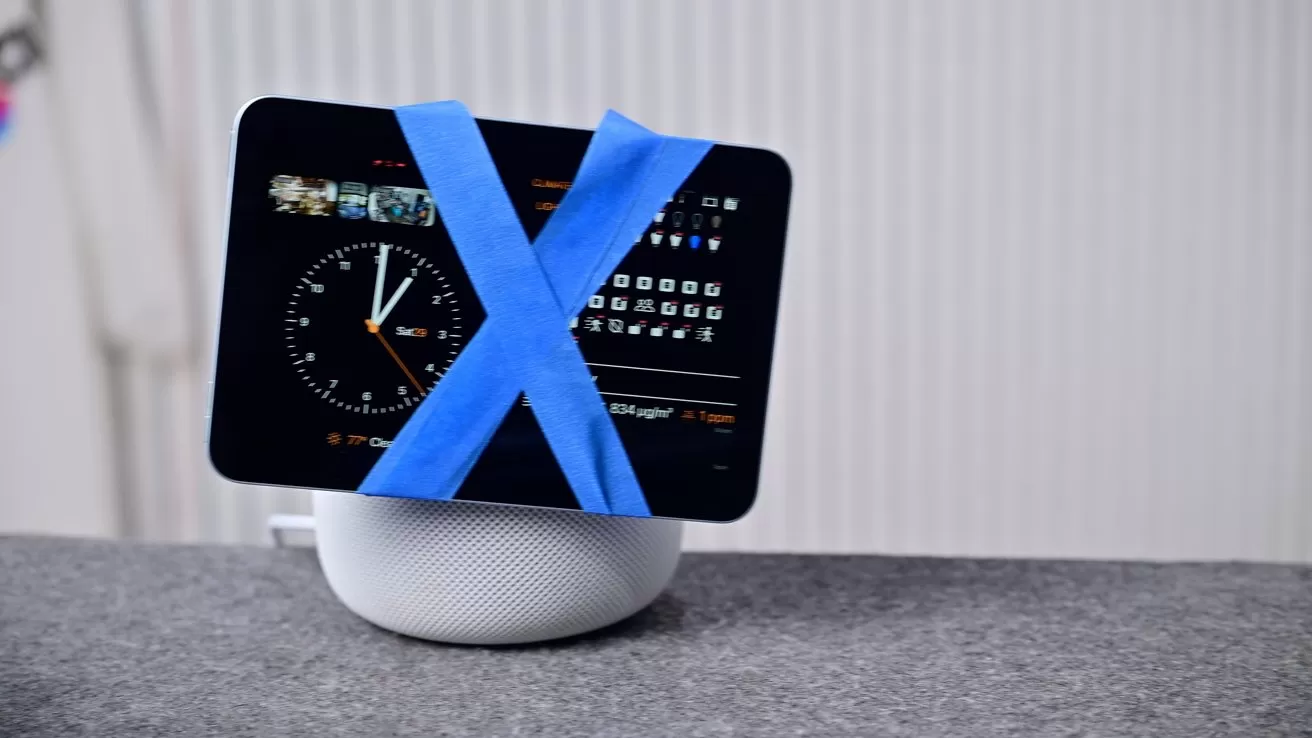
The unnamed Apple Home smart display will come in two flavors. There is said to be a countertop version that has a roughly 7-inch screen, sitting on a fabric-covered half-sphere.
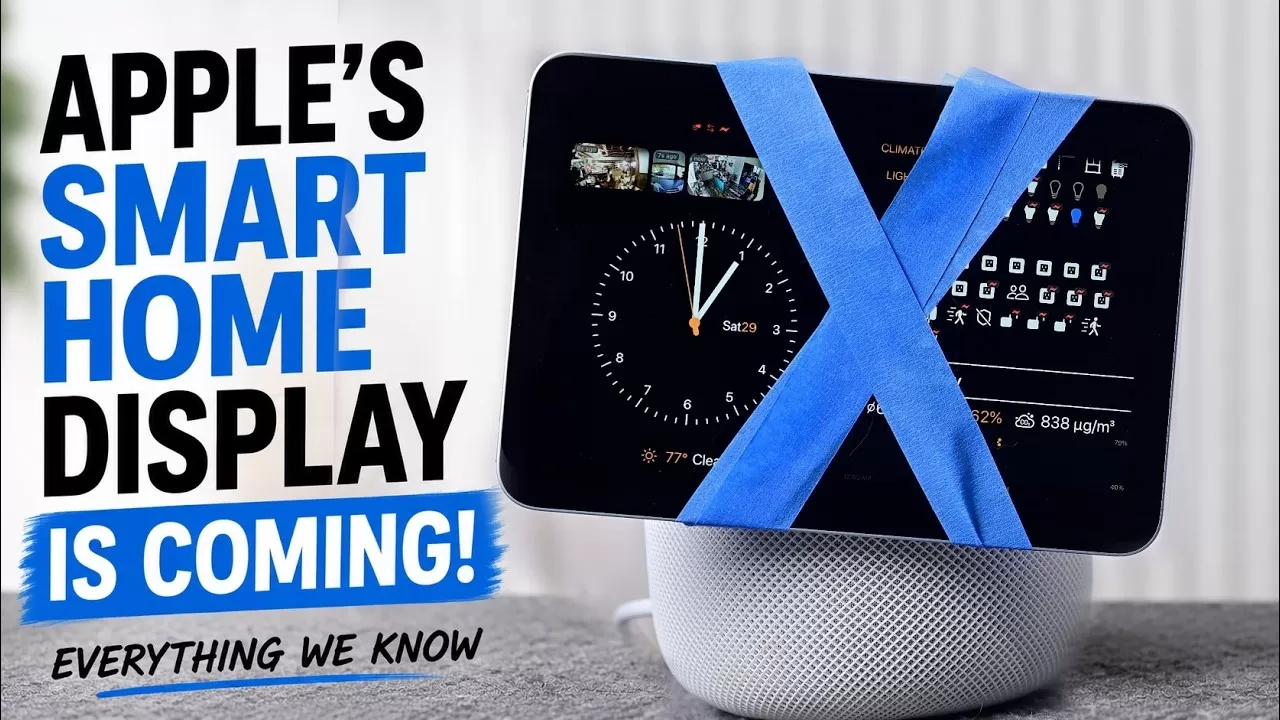
Then there is a second, wall-mounted version that also has the same 7-inch display. That makes both versions slightly smaller than the current 8.3-inch iPad mini.
It's unclear how the wall-mounted version would work, but it seems very un-Apple to expect customers to wire it into the wall themselves. Some battery-powered, magnetically attached version would be more likely.
We've heard rumors of a built-in 1080p camera to be used for FaceTime video calls, as well as facial recognition to identify the current user. Inside, it will be using at least an A17 Pro processor and likely Apple's N1 networking chip to power Wi-Fi, Bluetooth, and Thread.
A whole new homeOS
Powering the whole device is going to be a new operating system for Apple. This has been widely referred to as homeOS, but Apple hasn't made it official, let alone given it a proper marketing name.
This new OS is based on tvOS, similar to the HomePod software. It will run many native apps out of the box, such as FaceTime, Safari, Apple News, Home, Music, Calendar, Notes, and Photos.
You'll be able to interact with many of these apps via gestures, recognized by the camera. Since it will know each of the home users, it will be able to load the correct profile and user data based on who is interacting with the display.
You'll be able to access Siri AI and Apple Intelligence on this device. Most things you can do on your phone will be possible on this display, which can also show you results, unlike with HomePod.
This makes it a combination smart speaker and smart display. You can look up recipes in Apple News, listen to music via Apple Music, or get answers to your questions.
In a recent leak via a beta of macOS Tahoe 26.7, we learned more about how the Home Screen will operate. Code revealed that it will work similarly to iPhone and iPad, with the option to customize icons, add clocks, and use widgets.
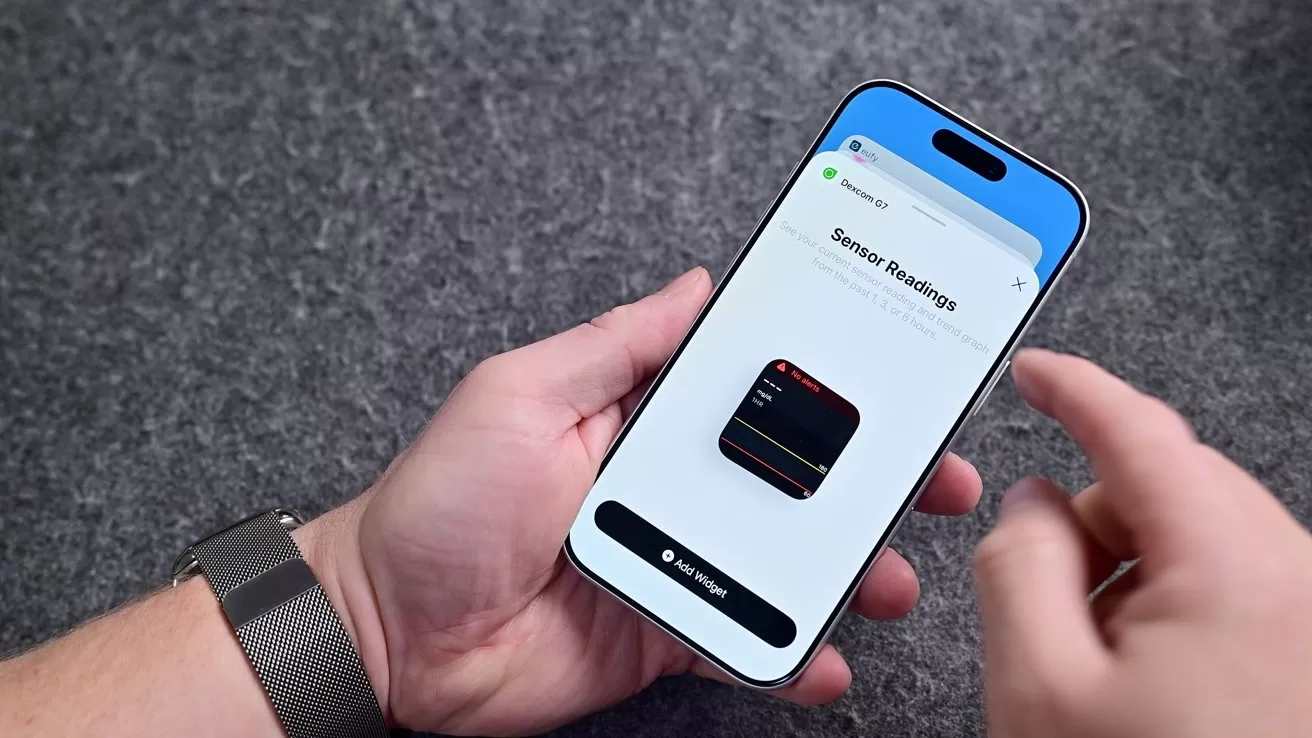 The widget picker on iPhone
Widgets will be a key part of the Apple smart display as rumors have long suggested there will be no App Store available, at least at launch, for third-party apps. Instead, it will show widgets that are powered by your iPhone, just like with the desktop on macOS.
That would mean on day one we will have support for thousands of apps via these widgets. You can track packages with Parcel, set your security system with Eufy, see your blood sugar with Dexcom, see flight updates via Flighty, and so much more.
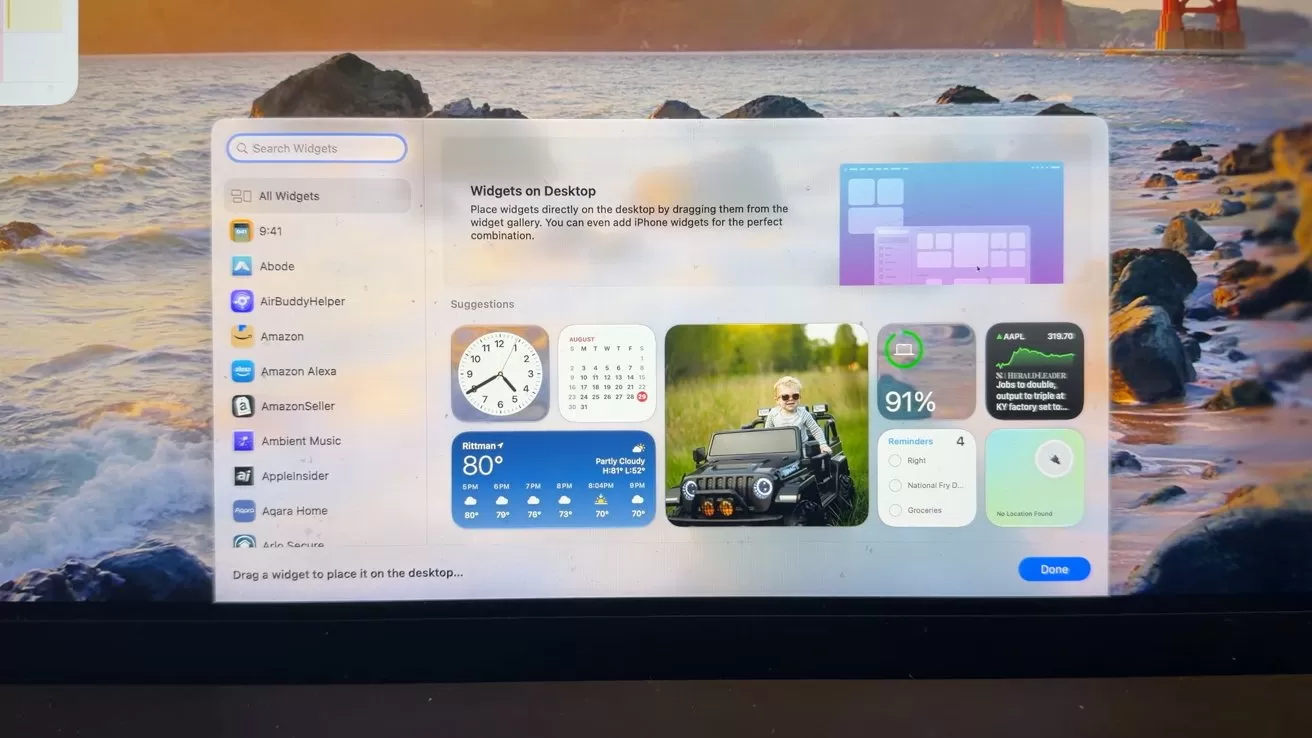 On macOS, you can view your iPhone widgets on your Mac desktop
Since the screen is limited, it can use Smart Stack, something we already have on iPhone and iPad, to intelligently swap out widgets to what's most relevant at that time. We'd also expect Live Activities to show on the display too, like when your Uber Eats order is arriving.
Lastly, relating to the widgets, will be privacy. The display will change as you approach with some sort of presence sensing.
Widgets could show with no information, only unlocking and showing your personal data when the facial recognition identifies you. This will keep your data private from others seeing it.
Speculating a bit here, we'd love to see different modes for different locations. A bedside mode that shows a StandBy mode-like clock face would be wonderful.
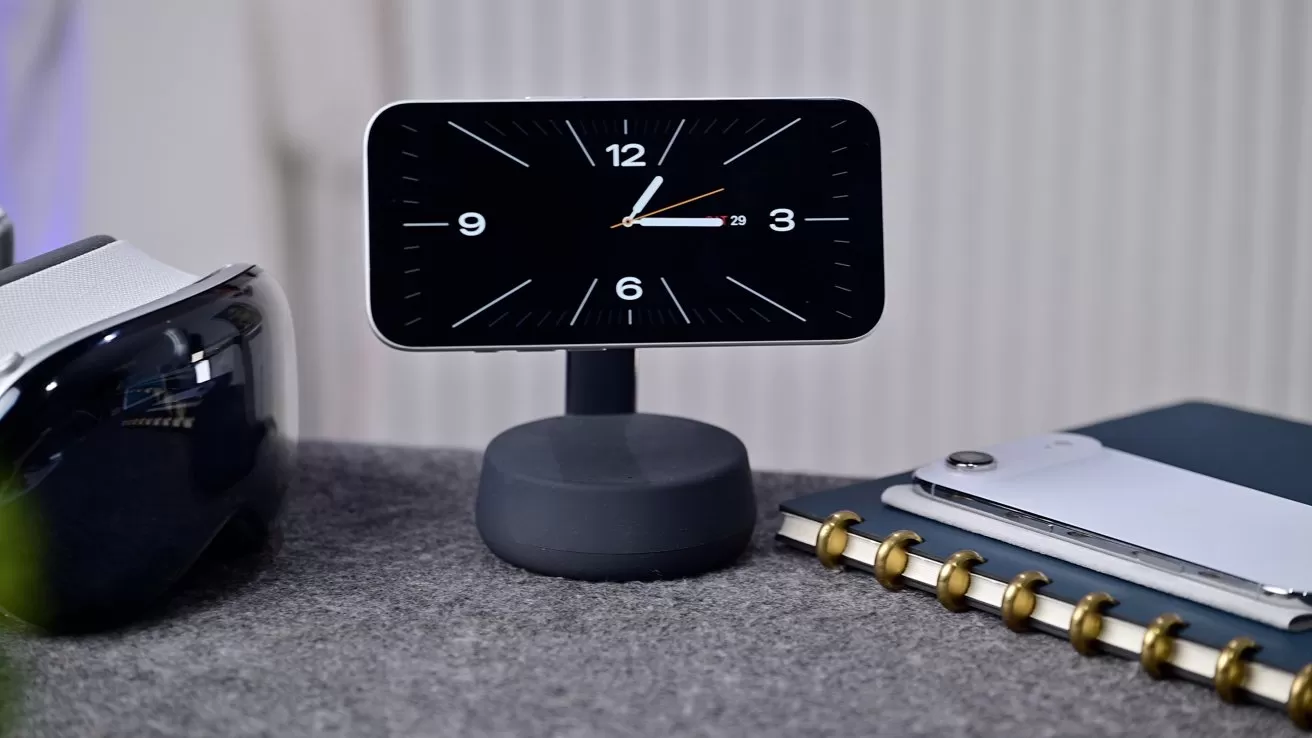 StanBy mode on iPhone would work great on a smart home display when used bedside
Imagine waking up in the morning and silencing the alarm on the display, but you're presented with a welcoming "good morning" screen with the weather and any items for the day. Sleep data could be displayed, summarizing your night based on Apple Watch metrics.
Again, that isn't rumored, but it's something that would be fantastic to see.
Price and release date
There has not been much said in terms of pricing for Apple's smart display. Originally, some had speculated it would be very premium, perhaps hitting a $499 price point above the full-size HomePod, and people would buy one for a central spot in the home.
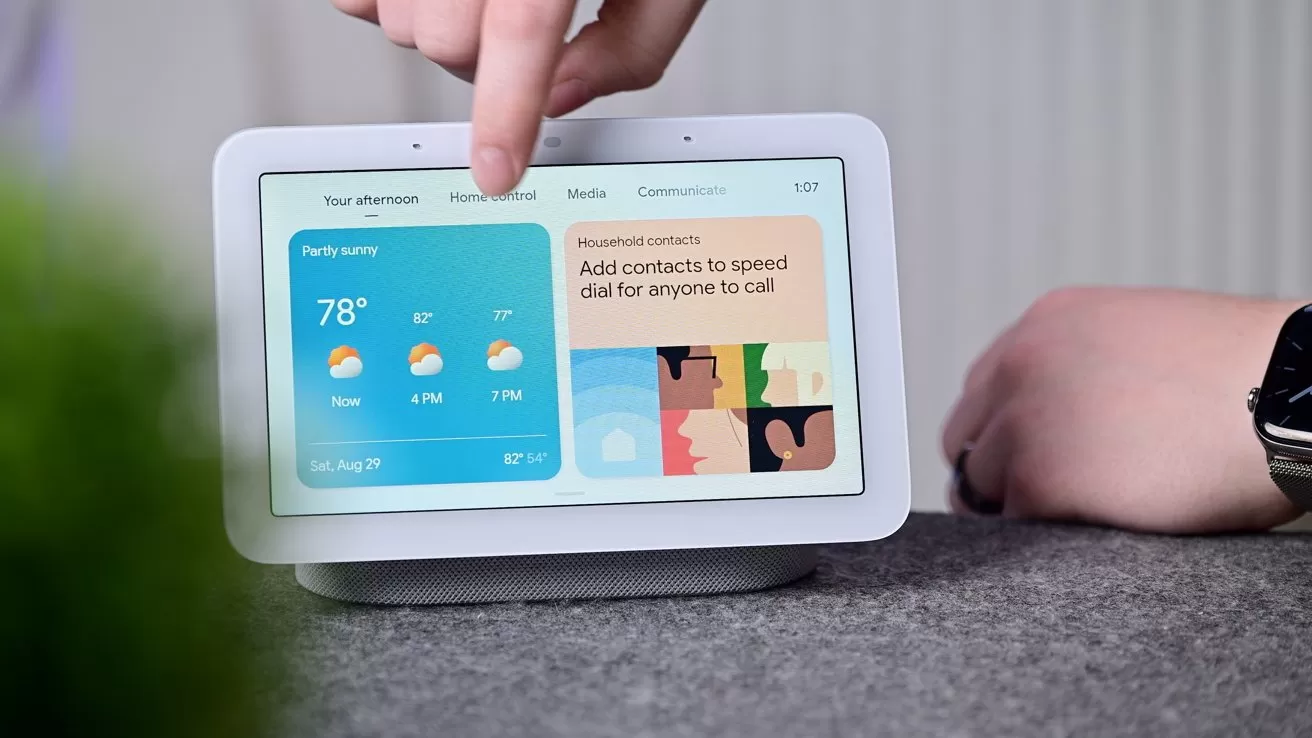 The Google Home Hub is priced at $99
As we learned more, it sounds like it could maybe be more affordable to place multiple throughout your home. The Google Home Hub is priced at $99 and has many of the same features.
Maybe Apple will go aggressive, pricing this at $199 or $249, still hitting a premium price tag for its more advanced features but making it more feasible for families to buy two or three. Ultimately, this is one of the big missing pieces for the upcoming device, and opinion varies a great deal across the AppleInsider staff on how much this will cost.
A release data has the same uncertainty. Bloomberg reported that updated versions of the Apple TV 4K and HomePod mini will ship in September, while the smart display could land in October or as late as early 2027.
We'd find it peculiar for Apple to announce two parts of its smart home ecosystem and not the third. One possibility is that Apple announces the display at its September 9th iPhone event, but releases it later.
At this point, we're just excited that the new device appears to be happening and Apple is starting to take the smart home more seriously.