Apple's lawsuit against OpenAI has brought new attention to reports that some former employees retained access to confidential files through their personal iCloud accounts after leaving the company.
More than half a dozen former Apple employees told The Information that documents shared with them during their employment remained accessible after Apple cut off most of their corporate access. Some continued receiving notifications when the files were updated.
The documents included confidential material such as plans for product launch events. The former employees said they made no effort to retain access and unexpectedly found the files mixed with their personal iCloud data.
The problem reportedly grew from Apple's practice of encouraging employees to connect their personal Apple IDs to company-funded iCloud storage. Apple gave employees 2TB of storage and allowed them to merge it with an existing personal plan.
The arrangement also placed some workplace files in accounts that Apple didn't fully control. Documents stored outside Apple's managed work folder could remain accessible after an employee returned company devices and left.
Personal Apple IDs complicated Apple's offboarding
Apple employees use Pages, Keynote and other company software to collaborate on internal documents. Colleagues could share those files directly with an employee's personal Apple ID throughout their time at the company.
Workers could create a separate Apple ID for work, but doing so introduced another problem. An iPhone supports only one primary Apple ID for full iCloud access.
Practically, this means employees who wanted completely separate personal and work accounts need a second device.
Many employees instead connected their existing accounts to Apple's storage plan. The decision kept their work and personal lives on one device, but it also made confidential documents harder to separate when they left.
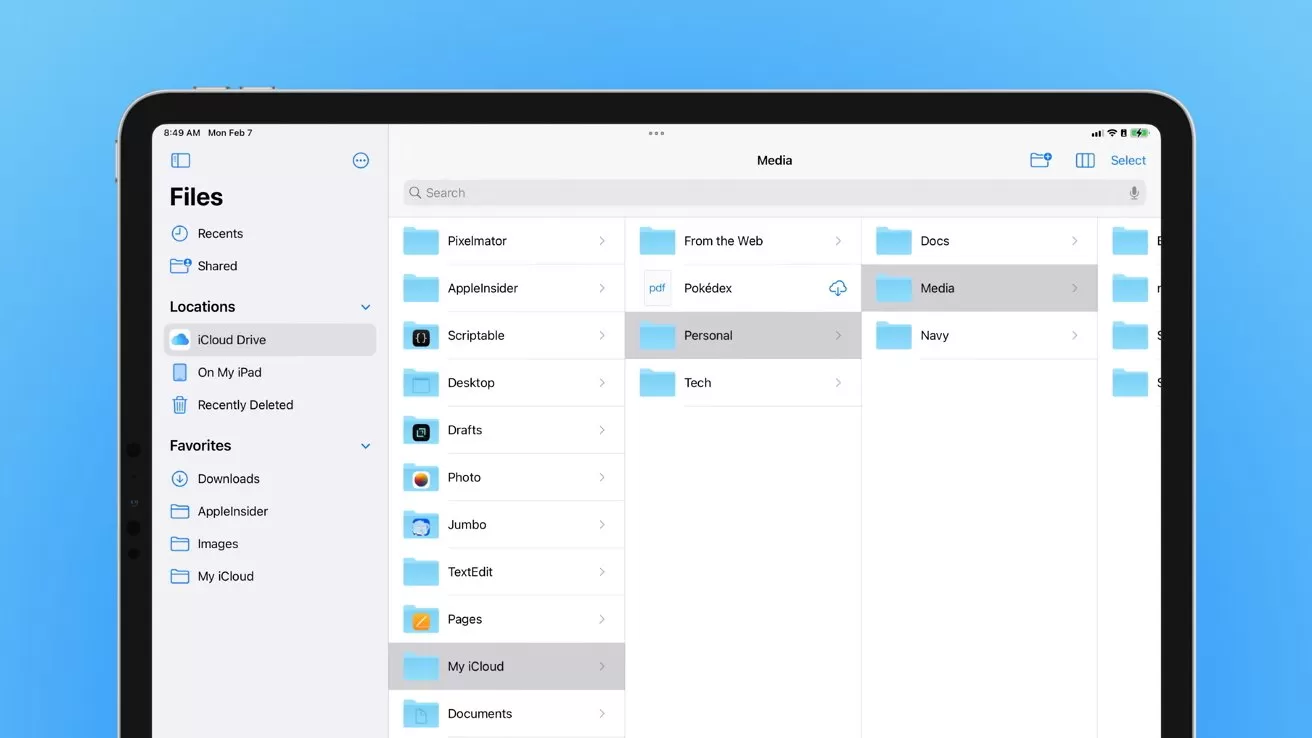
Apple introduced an Apple Work folder in the late 2010s to give the company more control over workplace files stored in employees' iCloud accounts. Former employees said the folder disappeared when they handed in their badges, removing their access to anything stored inside it.
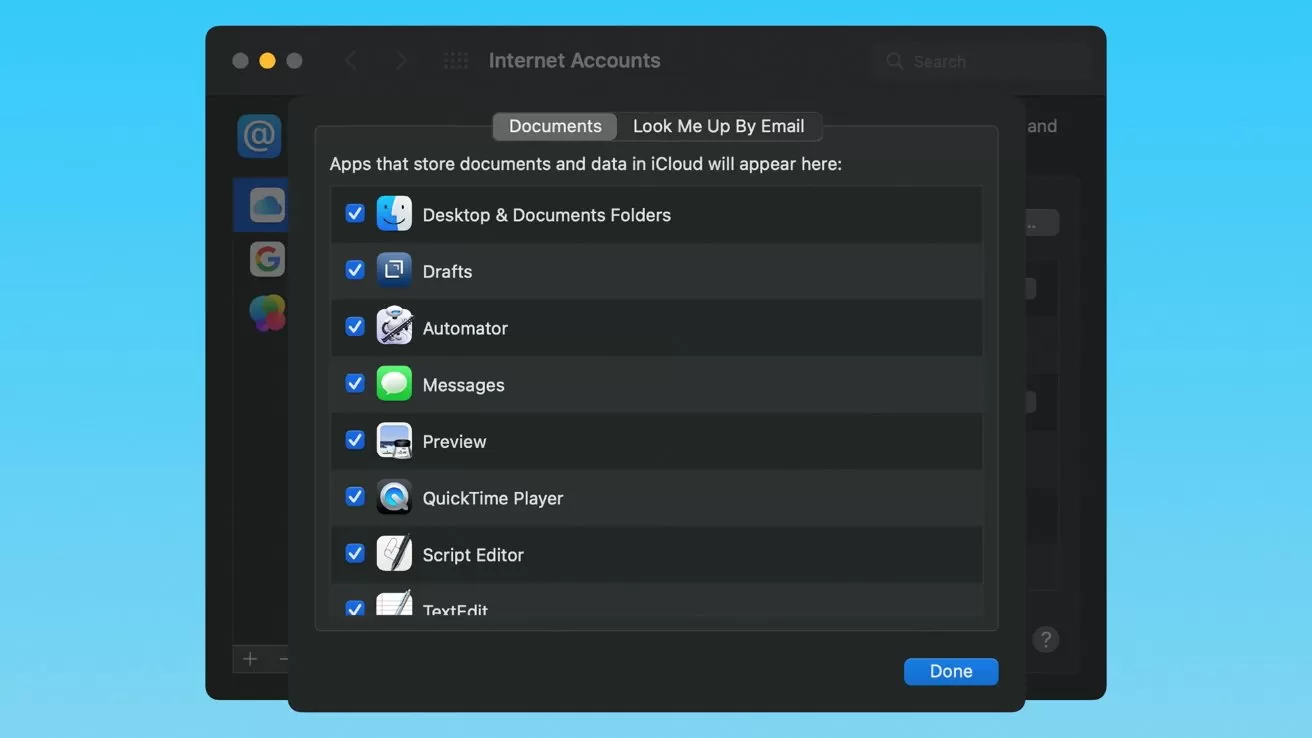 Apple employees use Pages, Keynote and other company software to collaborate on internal documents.
Not every internal file was automatically saved in iCloud. Documents shared outside the Apple Work folder could remain alongside personal photos and other files, allowing them to continue syncing after employment ended.
Apple also relied heavily on iMessage for workplace conversations and file sharing before rolling out Slack around 2019. Former employees could retain old iMessage conversations and attachments, while Apple could terminate their Slack access when they left.
The company reportedly conducts more thorough device reviews with senior leaders during their departures. Other workers sometimes received less extensive reviews, increasing the chance that files outside Apple's managed systems would remain behind.
Apple separates accidental access from theft
The disclosure follows Apple's July 10 lawsuit against OpenAI and former Apple employees Chang Liu and Tang Tan. Apple accused the defendants of deliberately taking trade secrets that could help OpenAI compete in consumer hardware.
Apple's complaint alleges that Liu retained an Apple laptop and exploited a rare security vulnerability to enter shared network folders after leaving the company. Apple says he downloaded dozens of confidential hardware files and discussed the access with a former colleague.
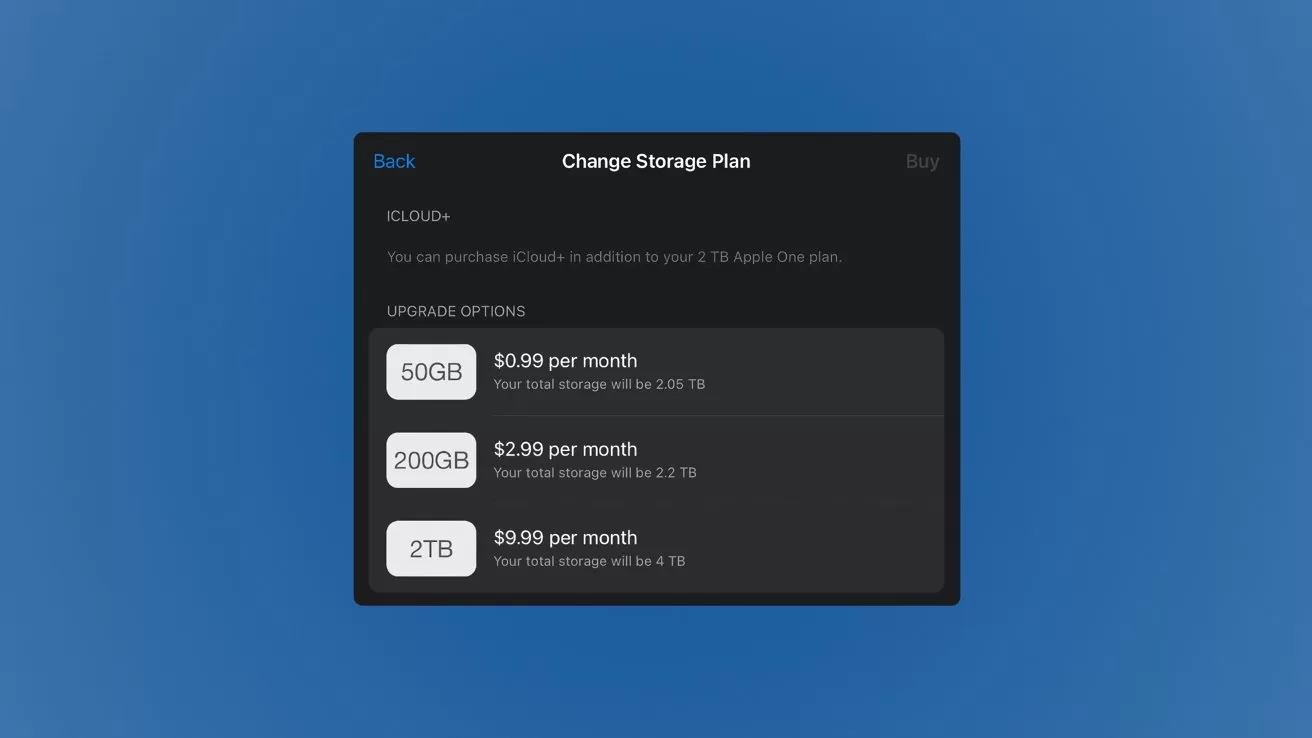 Not every internal file was automatically saved in iCloud.
Apple also alleges that Tan emailed confidential documents to himself before departing and later sought information from Apple employees he was recruiting for OpenAI. Both sets of allegations describe intentional conduct beyond the accidental access reported by other former workers.
OpenAI denied stealing Apple trade secrets and said it was unaware of evidence supporting the complaint.
Apple told The Information that the lawsuit doesn't concern documents shared through or stored in iCloud. The company also said it doesn't pursue former employees merely because confidential files accidentally remain in their personal accounts.
Before Apple filed the lawsuit, some former employees at OpenAI received legal letters saying they still possessed confidential company material. Apple alleges that more than 400 of its former employees now work at OpenAI.