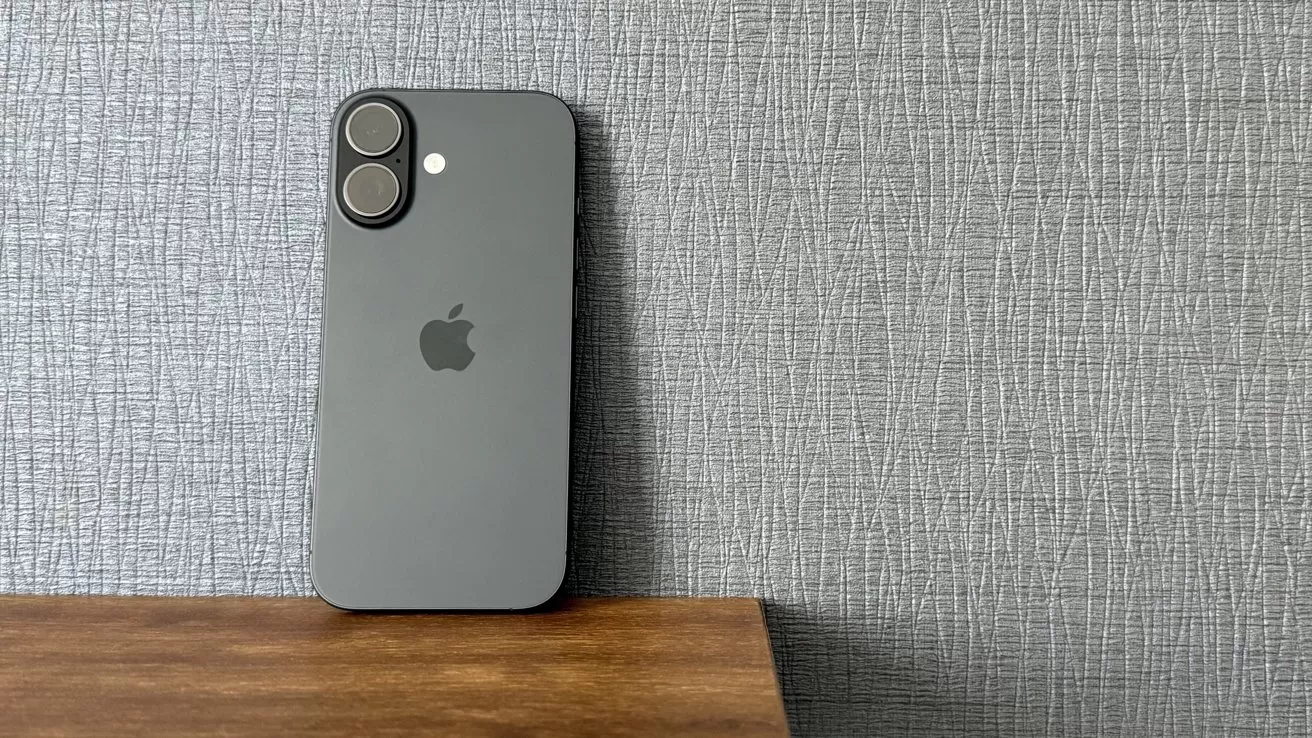
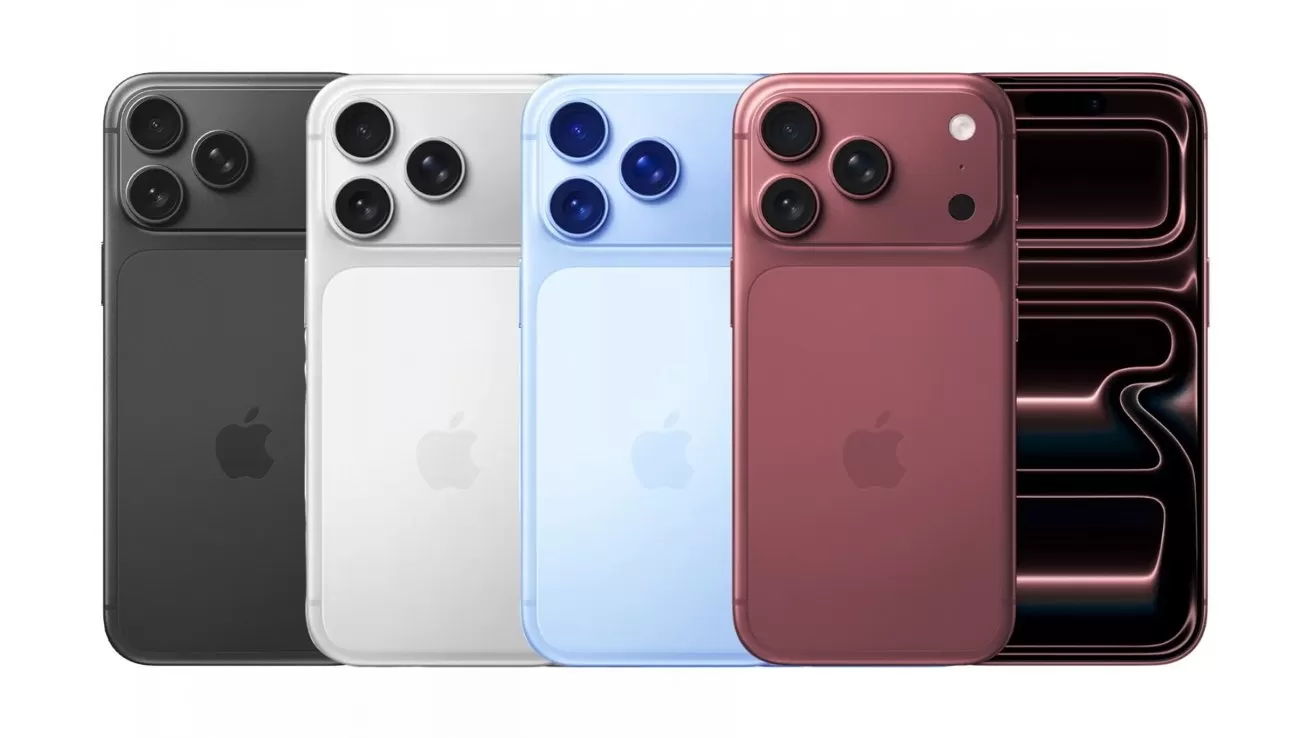
Apple's iPhone 18 Pro is right around the corner, and the rumor mill started earlier than normal. Here's what you need to know.
In 2025, Apple gave its high-end iPhone a major redesign, with the iPhone 17 Pro featuring a distinct pill-shaped camera plateau, an aluminum frame, and a bright orange color option. Inside, the A19 Pro chip bumped up the RAM to 12GB, and the phone even gained a vapor chamber cooling system.
With the iPhone 18 Pro, meanwhile, Apple is expected to deliver a more incremental upgrade, with the only noticeable change likely to be on the front of the device. Smaller Dynamic Island aside, it'll be more of the same design-wise.
However, a new chip production process for the A20 Pro is expected to deliver significant performance improvements. Apple's in-house modems might finally see use in the "Pro" iPhone, and multiple sources suggest a major camera upgrade is in the works as well.
Leakers and analysts alike have made countless claims about the iPhone 18 Pro. Here's everything that's been rumored so far.
iPhone 18 Pro release date rumors
While the rumor mill thinks the base iPhone 18 will arrive in early 2027, the iPhone 18 Pro is expected to arrive in September 2026. To be more specific, an August 2026 rumor claims Apple might announce the iPhone 18 Pro during an in-person event on Wednesday, September 9, 2026.
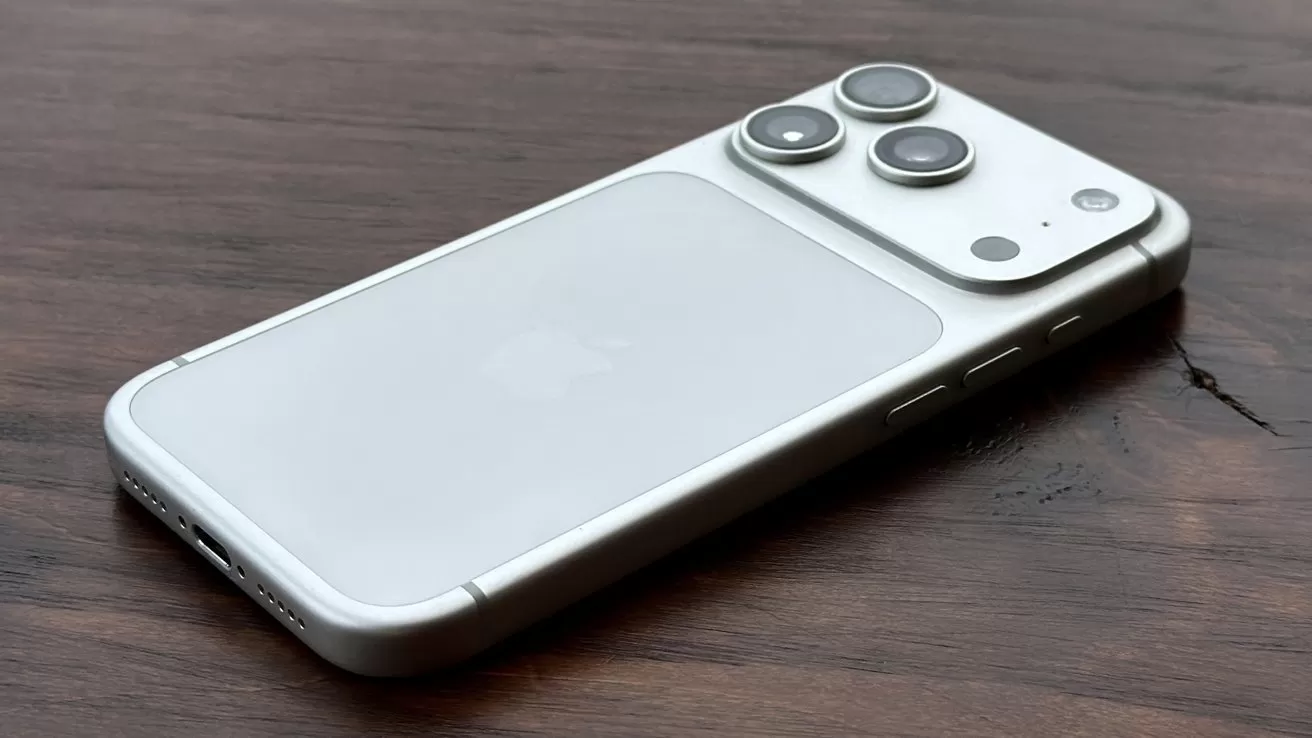
September 2026 is when we'll likely see the iPhone 18 Pro.
Apple's U.S. retail employees were allegedly invited to enter a lottery to help organize the event. The choice of an in-person event marks a departure from previous prerecorded product reveals, but the alleged timing is in line with a typical September iPhone event.
In February 2026, it was rumored that the iPhone 18 Pro had entered test production. Based on this alleged testing schedule, and rumors from January 2026 and March 2026, a September 2026 launch date seems almost beyond question.
There have been no rumors of a 2027 release for the iPhone 18 Pro, or any other major deviation from the usual September debut for the Pro models. The consensus among different leakers and analysts is that the iPhone 18 Pro will arrive in September 2026.
Design-wise, the iPhone 18 Pro is expected to offer only a few refinements, relative to the iPhone 17 Pro.
iPhone 18 Pro colors, design, weight rumors
In November 2025, a source with a good track record claimed the iPhone 18 Pro would have a more uniform appearance at the back, compared to the iPhone 17 Pro. Apple allegedly wanted to eliminate the two-tone effect by making changes to the processing of iPhone backplates.
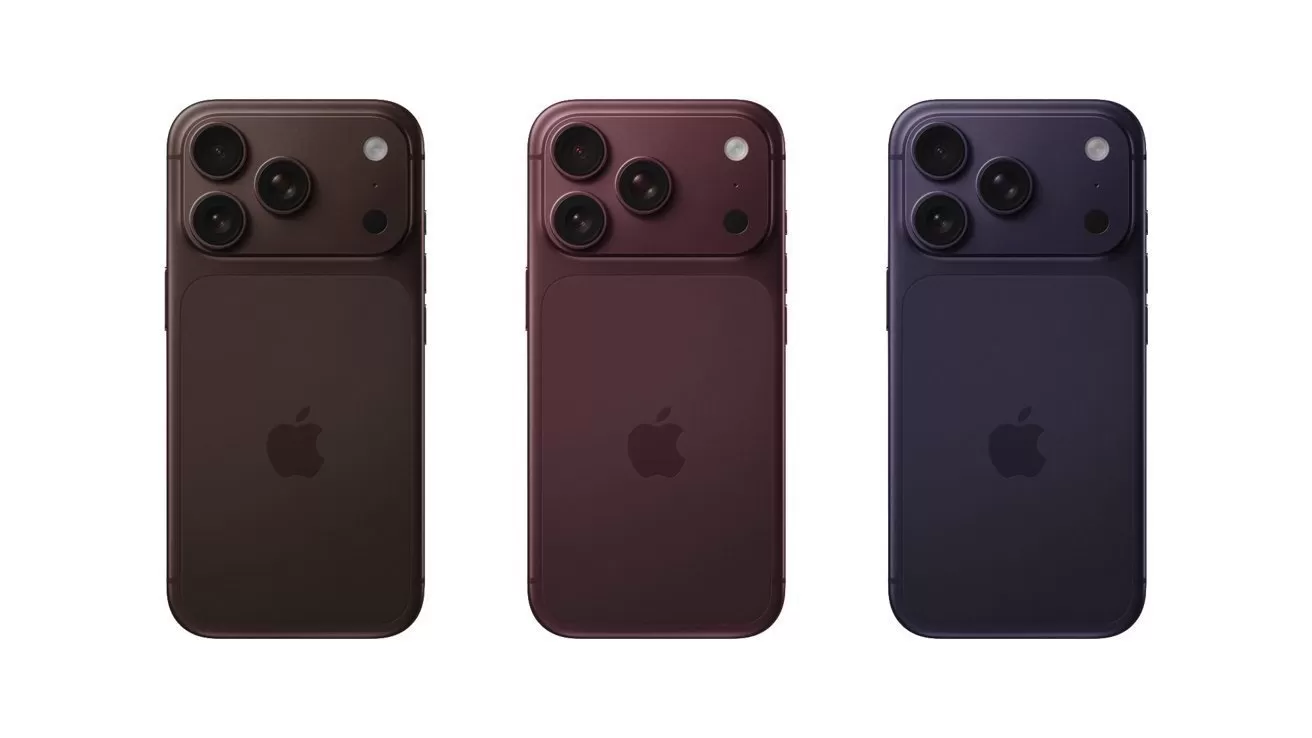
Early rumors claimed Apple was testing three colors for the iPhone 18 Pro.
This updated production process is allegedly meant to greatly reduce the color difference between the glass section and metal frame. This should ultimately result in a more seamless appearance on the back of the iPhone 18 Pro.
Also in November 2025, three possible color options for the iPhone 18 Pro were detailed: a coffee color, purple, and burgundy. The leaker, also the same source behind the backplate rumor, said that only one of these colors would make it to production. They said the iPhone 18 Pro would not be offered in black, a claim which resurfaced in April 2026.
However, a February 2026 report from a generally reliable source claimed that the three colors Apple was testing were actually different variants of red. Apple allegedly chose stronger colors for the iPhone 18 Pro, partly because the cosmic orange iPhone 17 Pro was popular in China.
In April 2026, another leaker, albeit with a mixed track record, jumped on the crimson red iPhone 18 Pro bandwagon. The same month, a tech news website claimed it had received a list of all iPhone 18 Pro color options. The list consisted of the following colors: Dark Cherry, Light Blue, Dark Gray, and Silver.
Also in April 2026, leaker Ice Universe shared an image of iPhone 18 Pro camera plateau protectors in the same rumored colors. Similar images were posted in May 2026 by an anonymous account impersonating a now-inactive leaker.
The same month, leaker Sonny Dickson shared photos of iPhone 18 Pro dummy units. Again, the dummy phones point to the same four color options mentioned previously, including Dark Cherry. Sometime later, in June 2026, AI-manipulated images of third-party iPhone cases were shared as part of a sketchy iPhone 18 Pro rumor.
Overall, the rumor mill believes the iPhone 18 Pro will be available in dark red, light blue, silver, and dark gray. However, a June 2026 rumor says the iPhone 18 Pro will inherit the color-changing issue the orange iPhone 17 Pro is known for.
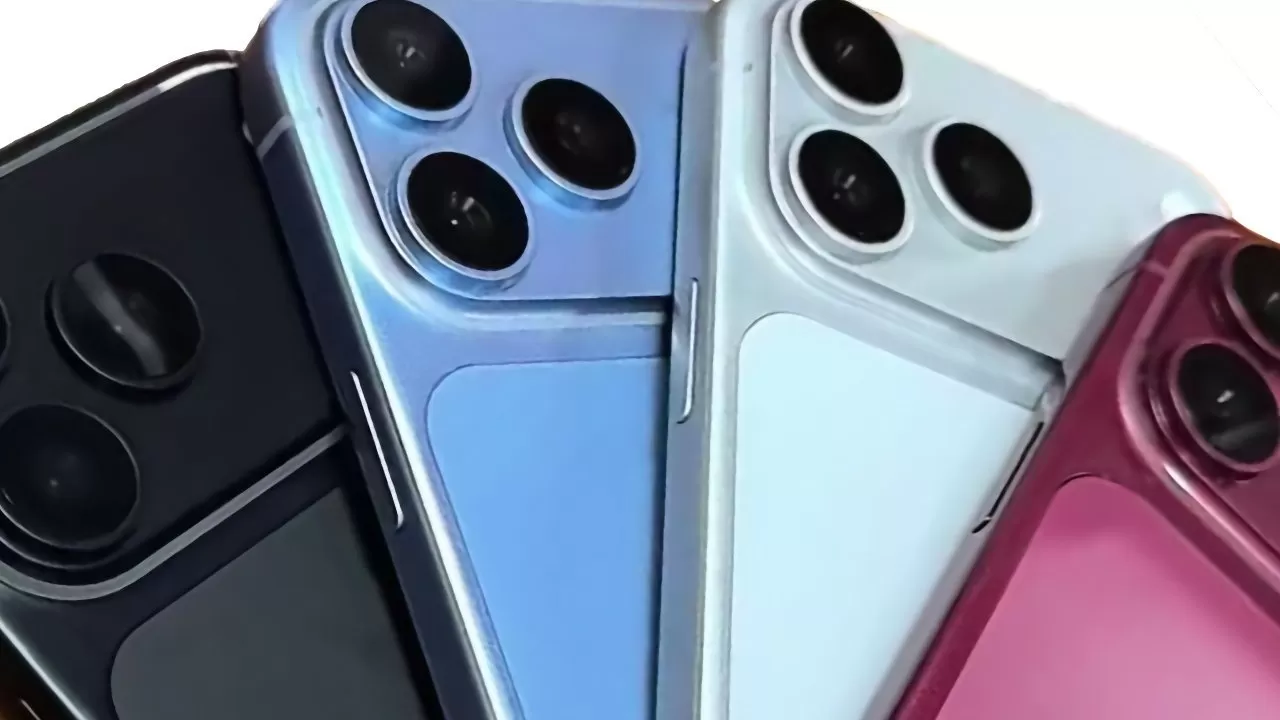
The four colors now said to be for the iPhone 18 Pro. Image credit: Sonny Dickson.
In terms of design, the iPhone 18 Pro will maintain the aesthetic of the preceding iPhone 17 Pro. This is per an October 2025 post from the same leaker behind the November 2025 color and backplate rumors. Reports from December 2025 and January 2026 reiterated this claim, while a February 2026 rumor said Apple wasn't changing the design because the iPhone 17 Pro was a hit.
The source behind the February 2026 claim, a Weibo leaker with a mixed track record, then added yet another detail. In July 2026, they said the camera plateau of the iPhone 18 Pro would be 2mm thicker than that of the iPhone 17 Pro. They also said Apple would continue to use aluminum for the casing of the iPhone 18 Pro.
This aligns with what analyst Jeff Pu claimed in January 2026: that the iPhone 18 Pro would feature an aluminum frame, and the same 6.3-inch display size as the current iPhone 17 Pro. In May 2026, however, one leaker suggested Apple was exploring a return to titanium for its high-end iPhone models, while another disputed this claim.
The rumor mill is not in agreement about the iPhone 18 Pro backplate design, either. While a November 2025 rumor said Apple wanted to reduce the two-tone effect, one tipster, with a relatively poor track record, claimed Apple would make the glass backplate stand out even more.
A September 2025 Weibo rumor strangely suggested that Apple would use "slightly transparent" back glass in the iPhone 18 Pro. If implemented, this would have offered a clear view of the MagSafe charging coil, but the design choice has always been an unlikely option.
Images of alleged MagSafe-equipped iPhone 18 Pro cases were shared in May 2026. Supposedly, Apple plans to revert to its earlier case design, meaning iPhone 18 Pro cases will feature a MagSafe ring rather than a solid rectangle on the back. These could very well be third-party accessories, though, so it's unclear if Apple altered the iPhone 18 Pro case and backplate designs.
As for weight, one Weibo leaker says the iPhone 18 Pro will be the heaviest iPhone ever. In November 2025, the tipster suggested the iPhone 18 Pro may be 10g heavier than the iPhone 17 Pro. This would place the iPhone 18 Pro Max weight at approximately 243g (8.57 ounces).
If this rumor is true, the iPhone 18 Pro Max might be the heaviest model ever made. The current heavyweight is the iPhone 14 Pro Max at 240g, while the iPhone 17 Pro Max weighs slightly less at 233g.
Though the iPhone 18 Pro has a chance of weighing more, it might actually offer a reduced version of an existing hardware feature. According to an August 2025 rumor, Apple has simplified the Camera Control on the iPhone 18 Pro to save on production costs.
Meanwhile, an earlier report from the same month, though from a leaker with a less-than-stellar track record, said that Apple would remove the Camera Control entirely from its 2026 iPhone lineup.
It's possible that Apple tested iPhone 18 Pro configurations with and without a Camera Control button. The company did exactly that with the iPhone 16 range, and this prototyping approach would explain the seemingly contradictory rumors.
Though we'll have to wait and see what Apple has in store for the Camera Control, multiple leakers agree that a major change is coming to the front of the iPhone 18 Pro.
iPhone 18 Pro to have punch-hole camera & under-display Face ID
If the rumor mill is to be believed, Apple has been experimenting with the idea of under-display Face ID for years. In January 2023, it was rumored that the technology would be available with the iPhone 16 Pro, echoing April 2022 and April 2021 claims made by analyst Ming-Chi Kuo.
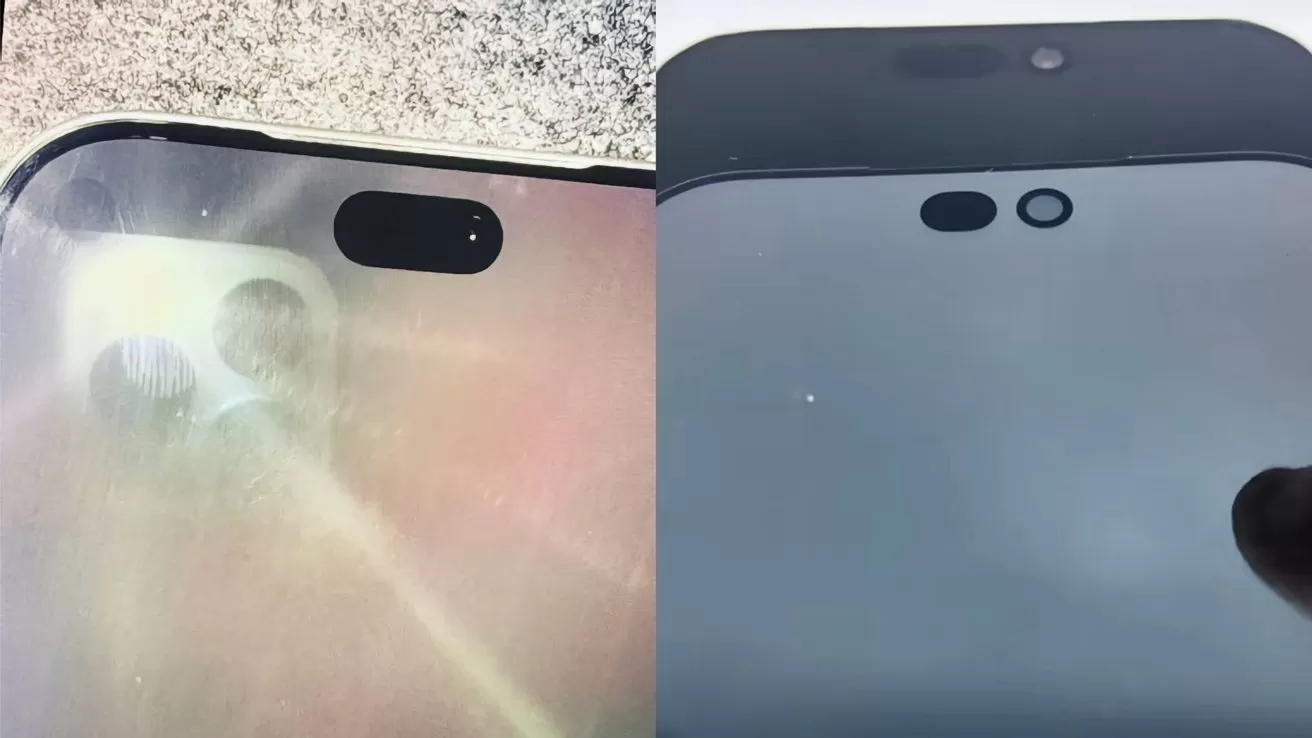
Images supposedly showing a smaller Dynamic Island on the iPhone 18 Pro. Image Credit: Early Apple Leaks/Ice Universe
However, the expected timeline for under-display Face ID shifted in March 2023, when DSCC analyst Ross Young said that the technology would not arrive until at least 2025, due to "sensor issues." Meanwhile, a December 2023 report from a different publication said the hardware was actually delayed until 2026.
In May 2024, Ross Young corroborated the rumor of an apparent delay to 2026, reiterating the idea a year later as well. The same month, May 2025, saw the resurgence of under-display Face ID rumors for the iPhone 18 Pro, this time from a Weibo leaker, who reiterated their claims shortly thereafter.
This tipster then went on to repeat the under-display Face ID rumor in June 2025, September 2025, October 2025, and November 2025. Mere days later, however, the Weibo leaker behind the repeated under-display Face ID claims said Apple had delayed the hardware to 2027.
A month later, a completely unknown leaker challenged this alleged 2027 debut date. Tipster "Smart Pikachu" claimed in December 2025 that the iPhone 18 Pro would feature an under-display Face ID system after all.
The same month, a different publication explained it was also expecting the iPhone 18 Pro to debut with Face ID sensors under the display. Apple allegedly wants to "eliminate" Dynamic Island, which the publication calls an "unsightly black oval." Per the report, Canadian company OTI Lumionics will supply the necessary components.
In January 2026, Jeff Pu said he expects the iPhone 18 Pro to offer a smaller Dynamic Island, with Face ID still present. Pu also believes the iPhone 18 Pro will offer an 18MP front-facing camera and a 6.3-inch display. A Weibo leaker said the same thing in January 2026.
The same month, however, YouTuber Jon Prosser added confusion to the mix. He claimed that, with the iPhone 18 Pro, the Dynamic Island would move to the top left side of the screen. This was then disputed in January 2026 by a Weibo leaker with a mixed track record.
Meanwhile, also in January 2026, leaker Ice Universe shared the alleged dimensions of the Dynamic Island on the iPhone 18 Pro Max. Per the leaker, Apple plans to reduce the Dynamic Island by 35% from 20.76mm to 13.49mm on the iPhone 18 Pro Max.
In February 2026, a generally reliable source explained they also expect the iPhone 18 Pro to feature a smaller Dynamic Island. However, a source with a mixed track record claimed in March 2026 that Apple would only decrease the size of the Dynamic Island with the iPhone 19 Pro.
Even so, March 2026 is when the first images of the purported smaller Dynamic Island began popping up. Ice Universe and a relatively unknown leaker, who goes by "Easy Apple Leaks," both shared alleged photos of the iPhone 18 Pro Dynamic Island.
The latter of the two leakers would then go on to share alleged CAD images of the iPhone 18 Pro Dynamic Island in May 2026. All of the images shared so far show the Dynamic Island at the top of the screen, in the center, rather than on the left.
Also in May 2026, a Weibo leaker with a questionable track record said the iPhone 18 Pro would not get a tandem OLED display. Apple will likely continue to use 6.3-inch LTPO OLED panels with ProMotion support for the iPhone 18 Pro.
Given the number of rumors we've seen regarding under-display Face ID, and the frequency with which they appear, there's a decent chance the technology will arrive with the iPhone 18 Pro. It looks as though Apple will indeed shrink the Dynamic Island as well.
If Apple moves forward with the new design, it would increase screen real estate to nearly 98%. Still, a smaller Dynamic Island was rumored to appear with the iPhone 17 Pro in February 2025 and July 2025, but that obviously never happened.
Rumors are still rumors, after all, but the iPhone 18 Pro has a higher chance of receiving Dynamic Island and Face ID modifications. Still, Under-display Face ID is not the only camera-related change rumored for the iPhone 18 Pro.
iPhone 18 Pro could have a variable aperture camera
As with the smaller Dynamic Island, a variable-aperture camera system was expected to debut with the iPhone 17 range, per a July 2024 rumor. However, in November and December of the same year, Ming-Chi Kuo suggested the technology would, instead, debut with the iPhone 18 lineup.
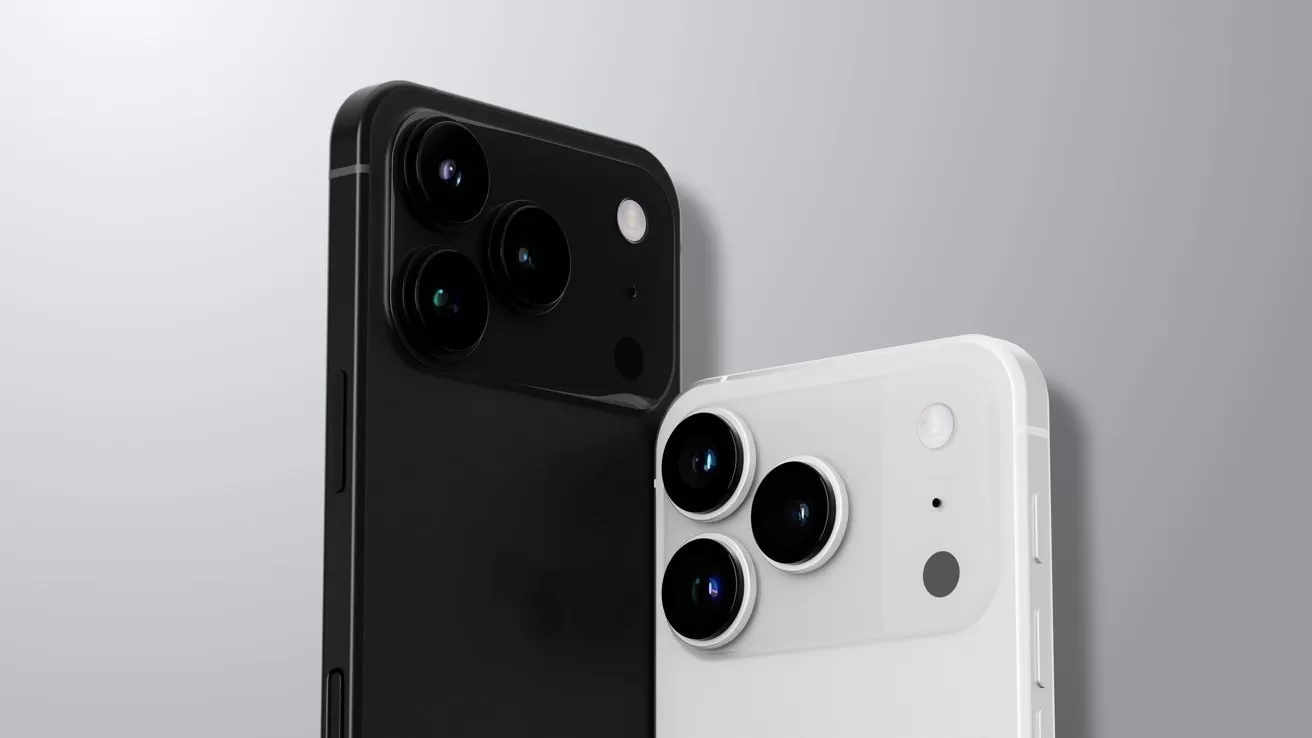
The iPhone 18 Pro could debut with a variable aperture camera system.
Variable aperture system claims appeared again in an October 2025 report. It listed LG Innotek and Foxconn as the component manufacturers, with an actuator to drive the aperture movement supplied from Luxshare ICT and Sunny Optical.
A Weibo leaker corroborated the rumor the same month. They added, however, that the iPhone 18 Pro's 48MP Telephoto lens, which uses a periscope lens system, will also gain a larger aperture.
In December 2025, another report claimed the iPhone 18 Pro would gain a new aperture system, though it was referred to as a "mechanical aperture" in the text.
Relatively obscure leaker "Smart Pikachu" claimed in January 2026 that the iPhone 18 Pro would feature a variable camera system. They also said Apple was planning to introduce a DSLR-like teleconverter, increasing the focal length and zoom of the iPhone 18 Pro camera system
In February 2026, it was again rumored that the iPhone 18 Pro would gain a variable-aperture main camera, with a larger aperture for the Telephoto lens as well.
According to a supply chain report, production for the iPhone 18 Pro's variable aperture components began in April 2026. The report claimed that China's Sunny Optical and Luxshare ICT would make the actuators, with LG Innotech also being part of the camera production process.
Rumors of a variable aperture camera system continued through April 2026. The addition of a variable aperture might allow for better night-time photography, while preventing washed-out colors on daytime photos.
Variable aperture cameras have other benefits as well. There are multiple reasons why Apple might use a mechanical, variable aperture system rather than a fixed one.
Smartphone cameras typically feature a fixed aperture, which is the hole that lets light through between the lenses and the sensor. This is the case because a variable aperture would require more physical space for the mechanism and motor.
When aperture size is increased or decreased, this affects the amount of light that hits the sensor. It also impacts the exposure triangle, the principle that changes to the aperture, shutter speed, and sensitivity of the sensor can influence how a shot is taken.
A wider aperture allows for a shallower depth of field, keeping the subject in focus while blurring the background and foreground. A smaller aperture, meanwhile, facilitates a larger depth of field effect, with more elements in the picture being sharp and in focus rather than blurry.
Apple's current workaround for the fixed aperture limitation is to use multiple camera views and computational photography effects to create a blurry background, known as bokeh, for portraits. However, adjusting the aperture would result in creating a naturally focused image without any computational photography.
Overall, it's practically guaranteed that the iPhone 18 Pro will feature a variable camera aperture system, unless you take into consideration earlier rumors related to the iPhone 17 Pro, which doesn't feature the hardware.
As for other camera components, a July 2024 rumor suggested that Samsung would provide image sensors, instead of the usual supplier, Sony. January 2025 saw the resurgence of this claim, though from a different leaker who added more detail.
Samsung allegedly wanted to make a stacked image sensor consisting of three layers: a photodiode, a transfer layer, and a logic layer.
In essence, the sensor would come with a processor directly mounted to it. This would reduce the time necessary to get image data to the processor, ultimately improving the camera's responsiveness in the process.
In August 2025, Apple announced it aimed to spend $100 billion on manufacturing facilities within its U.S. supply chain. Among the beneficiaries was Samsung.
A report in December 2025 then said Samsung was gearing up to install manufacturing equipment at its Taylor, Texas, factory. This is allegedly where the CMOS image sensors (CIS) used in the iPhone 18 range will be made.
However, there's evidence that Apple won't exclusively use Samsung-made image sensors in the iPhone 18 Pro.
In June 2026, AppleInsider analyzed more than 630GB of internal files taken from Apple supplier Tata in a cyberattack on its factory in India. Our findings suggest that the Wide sensor, or the main rear camera of the iPhone 18 Pro, will switch from the Sony IMX-903 to the IMX-905.
It looks as though Sony will still produce image sensors for the iPhone 18 Pro, though this does not contradict the prior variable aperture system rumors.
As for the front-facing camera of the iPhone 18 Pro, a February 2026 rumor from the obscure leaker "Apple Club" says a 24MP image sensor is planned. Earlier, in January 2024, Ming-Chi Kuo similarly said the iPhone 17 range would feature a 24MP front camera.
These two rumors can be explained away by Apple's use of pixel binning for the front camera. Pixel binning involves averaging the light values of pixels based on the pixels nearby. In essence, the iPhone considers groups of pixels as a virtual "superpixel" of sorts.
Ultimately, Apple's iPhone 17 range delivers 18MP images with the front-facing camera, and this will likely continue with the iPhone 18 lineup.
Potential camera-related improvements aside, the iPhone 18 Pro will almost certainly deliver a performance boost, thanks to Apple's A20 Pro chip.
iPhone 18 Pro performance: 2nm A20 chip, WMCM chip packaging process
In September 2024, Ming-Chi Kuo said that the iPhone 18 Pro would be the only device in the iPhone 18 lineup equipped with a 2nm chip. Back in June 2022, TSMC revealed it would launch its 2nm chip process in 2025, so it makes sense for Apple to go with it for the iPhone 18 Pro.
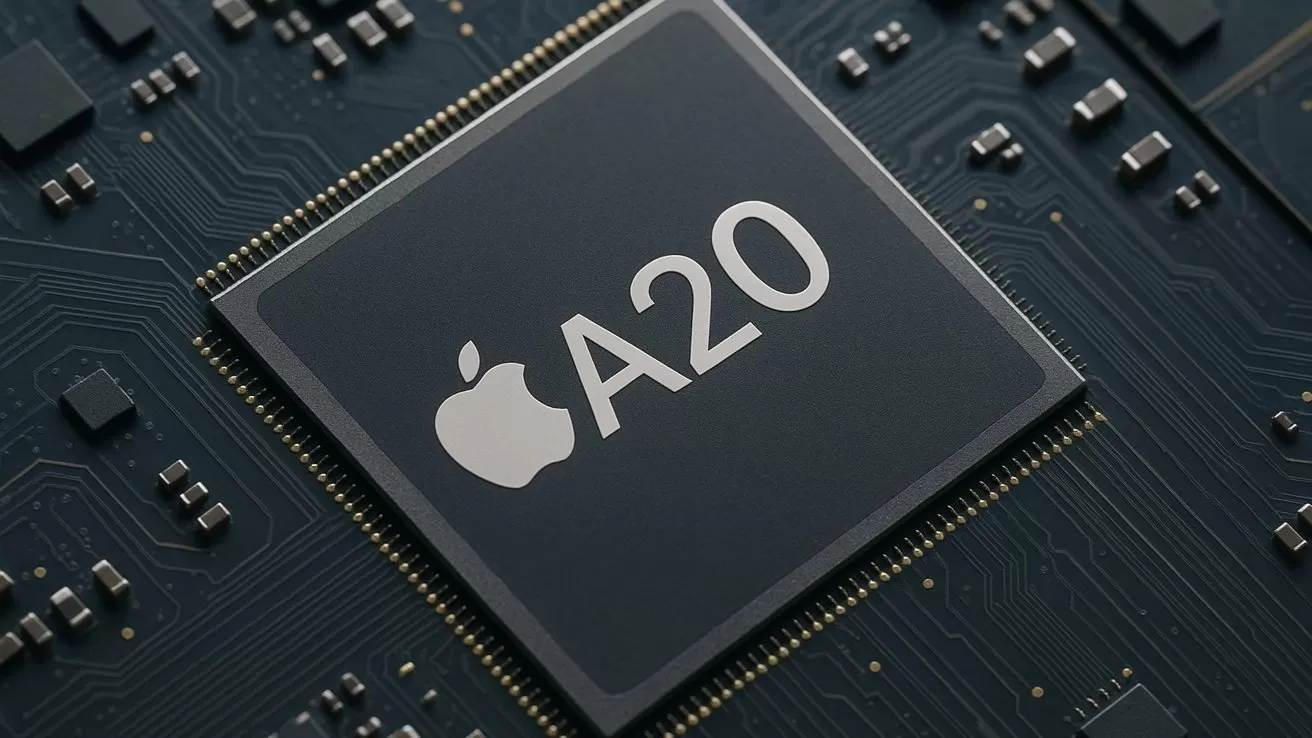
Apple's A20 Pro chip will most likely use a new packaging process.
Kuo, however, changed his expectations for the iPhone 18 range in March 2025, suggesting that 2nm chips would be used across the iPhone 18 line. This idea aligns with an earlier July 2024 report.
One source suggested, in April 2025, that 2nm chips would lead to a price increase for the 2026 iPhones, with Apple passing the costs on to end consumers. Months later, a November 2025 rumor from a separate Weibo leaker raised similar concerns.
A January 2026 supply chain rumor said the A20 Pro may cost as much as $280 per unit, approximately 80% more than the previous generation. In July 2026, it was similarly alleged that TSMC had increased its base prices by 10%, again hinting at an iPhone price hike.
Prices were already raised across the Mac and iPad lines in June 2026, but the iPhone was left untouched, for now. Jeff Pu said in July 2026 that the iPhone 18 Pro might cost users $250 to $300 more than the iPhone 17 Pro, after previously saying in February 2026 that there would be no price increase with the model. Counterpoint Research similarly suggested a $200 price increase in July 2026.
In any case, while a price hike appears to be right around the corner, performance improvements will arrive with it, in the form of 2nm chips. The A20 Pro system-on-chip is expected to offer a performance boost of between 10% and 15%, relative to the current iPhone 17 range, according to an October 2024 report.
Per the report, the A20 Pro chip utilizes a new packaging method known as WMCM, rather than Apple's current packaging technique, InFo.
Chip packaging represents a process applied to the die of a chip, setting it up to communicate and work with other components on a circuit board.
With the A19 Pro chips, the InFo process gives Apple a way of integrating components within a chip package. Essentially, elements like memory can be added to the chip package directly, rather than being an externally accessed component.
This lets Apple make the overall chip package quite small. Still, it is a technique that's used with a single die. New CPU and GPU combinations require new dies with this method, which could become expensive for Apple.
WMCM, short for Wafer-level Multi-Chip Module, is a different packaging technique that works well with multiple dies. It can fit together separate dies, such as a CPU and GPU, while still keeping the overall package extremely small.
Switching to WMCM would give Apple more freedom to create multiple packaging designs by incorporating different dies, and it wouldn't massively raise the cost of making the dies themselves. Using WMCM wouldn't have a massive impact on performance, but it would reduce reliance on chip binning for different product tiers.
Apple's alleged plans to use WMCM have been mentioned by multiple sources, and our own findings also suggest next-generation iPhone chips will use this packaging process.
Jeff Pu revealed in June 2025 that he also believes the iPhone 18 range will use a 2nm chip with the WMCM process. He reiterated these claims in January 2026. According to Pu, the process the A20 Pro will use is referred to as N2 and is a first-generation process.
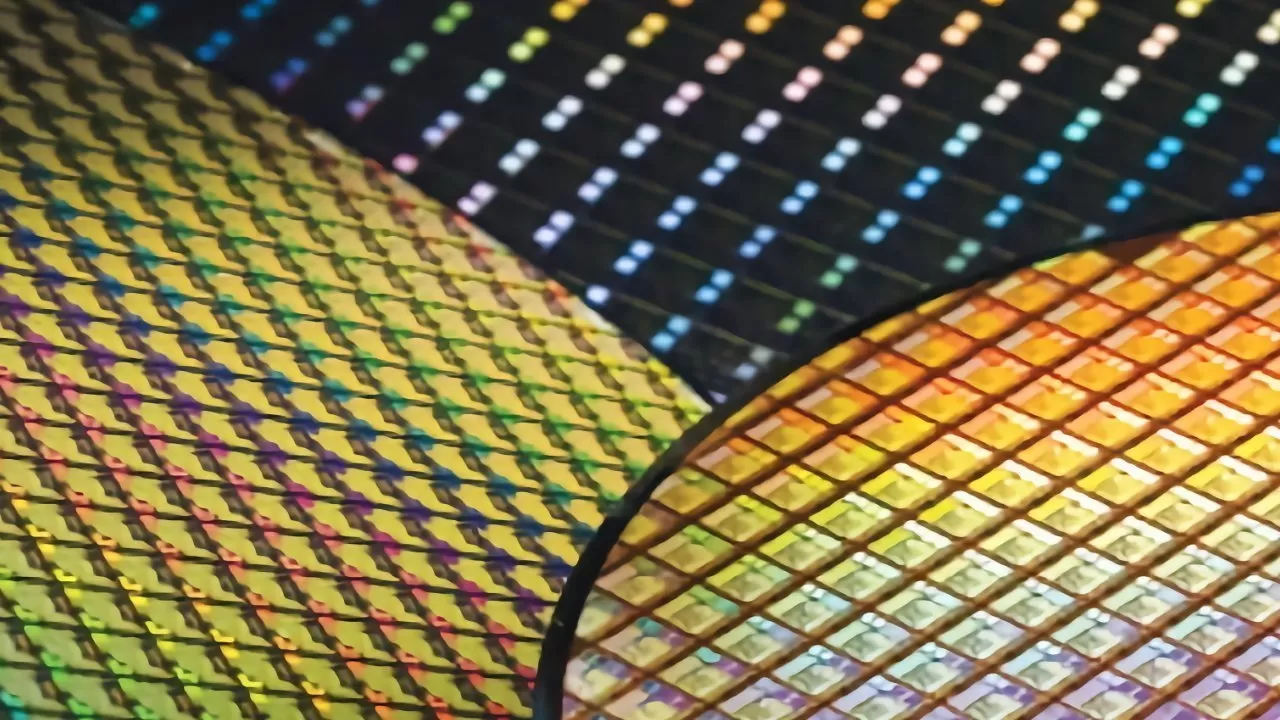
Silicon chip wafers. Image Credit: TSMC
The smaller die has the potential to make the A20 Pro chip approximately 15% faster than the A19 Pro. It might also be more efficient, with a 30% reduction in power consumption. Apple's use of the WMCM packaging process was also suggested in a December 2025 report.
Additionally, an April 2025 rumor claimed that the iPhone 18 line would feature 6-channel LPDDR5X memory. This would ultimately allow for improved memory bandwidth, thereby enhancing performance. The use of LPDDR5X memory was corroborated in an October 2025 report, which added that it would be sourced from Samsung, though SK Hynix and Micron were reportedly in talks with Apple as well.
Per a similar December 2024 report, meanwhile, Apple worked with Samsung to change how RAM is packaged, also in an attempt to increase bandwidth.
Additionally, iPhone 18 Pro board schematics seen by AppleInsider in June 2026 suggest the system-on-chip will move closer to the outer edge of the dual-layer board. The storage of the device will seemingly sit deeper between the two board layers, which could impact repairability and performance.
The same month, leaker Ice Universe spotted a detail about the A20 Pro Neural Processing Unit or Neural Engine. This area of the chip is seemingly much larger than that of the A19 Pro Neural Engine, suggesting Apple will prioritize additional on-device processing for Apple Intelligence and Siri.
While every iPhone 18 Pro will feature the A20 Pro chip, Apple might take a different approach with the phone's cellular hardware.
iPhone 18 Pro modem configurations and battery rumors
In June 2026, AppleInsider exclusively revealed that Apple had developed two logic board variants for the iPhone 18 Pro. One of them features a Qualcomm modem and supports mmWave; the other is equipped with Apple's C2 modem.
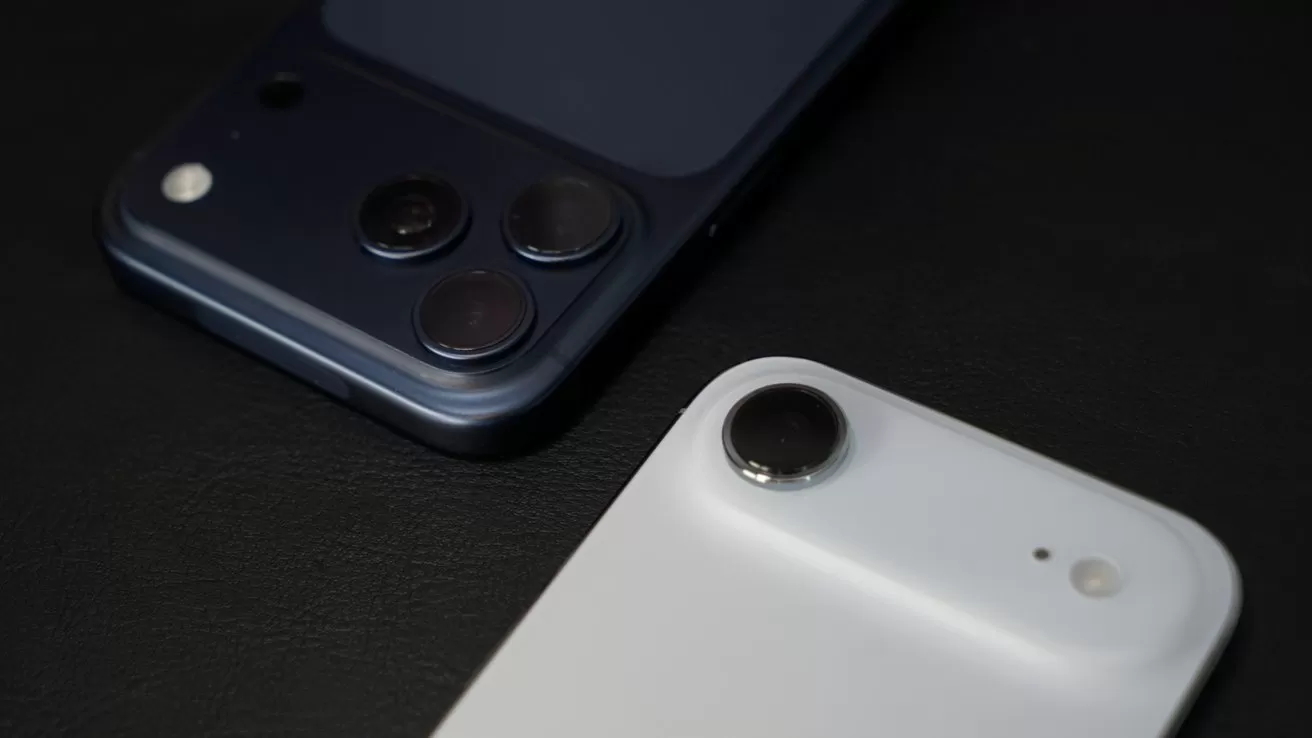
The iPhone Air already uses an Apple modem, so it makes sense for the C2 to arrive with the iPhone 18 Pro.
In short, our findings suggest that iPhone 18 Pro units sold in the United States will use a Qualcomm modem, while devices sold elsewhere will use the Apple C2 modem.
Jeff Pu also claimed in January 2026 that the C2 would be used in the iPhone 18 Pro. Identifiers for the C2 modem were also discovered in July 2025, within an early build of iOS 18, while a February 2025 rumor claimed new Apple modems were in the works.
The same month, Apple's SVP of hardware technologies, Johny Srouji, referred to the C1 modem as "a platform for generations." Ultimately, it's not surprising that Apple has plans for the C2 modem.
We believe the iPhone 18 Pro will offer region-based configurations, with some users getting the C2, and Qualcomm modems being available for U.S. buyers, due to mmWave compatibility.
As for battery life, a February 2026 rumor says the iPhone 18 Pro battery capacity will only be slightly larger than that of the iPhone 17 Pro. Then in June 2026 and July 2026, it was claimed the iPhone 18 Pro battery would have a 4,288mAh battery in the United States, and a 4,056 mAh battery in China.
For reference, the U.S. version of the iPhone 17 Pro has a 4,252 mAh battery, while the model for the Chinese market has a battery capacity of 3,988 mAh. Models sold in China have a lower capacity because the physical SIM card slot takes up space in the phone, which is not the case with the eSIM-only U.S. models.
If the February 2026 numbers are correct, the iPhone 18 Pro sold in the United States will offer a battery capacity increase of only 0.85%. The China-specific physical SIM model would offer a similarly meager 1.71% improvement over the iPhone 17 Pro.
Battery enhancements aside, one thing we won't see with the iPhone 18 Pro is MagSafe replacing USB-C entirely, as TikToks in February 2026 strangely suggested. The iPhone 18 Pro will obviously continue to feature MagSafe and USB-C, as dummy units posted in April 2026 clearly indicate.
What to expect with the iPhone 18 Pro
In essence, the iPhone 18 Pro could deliver the following enhancements and changes over the preceding iPhone 17 Pro:
- Under-display Face ID
- Punch-hole front camera
- Variable aperture system for rear cameras
- 15% faster, 2nm A20 Pro chip with improved memory bandwidth
- New red, blue, silver, and gray colors with a unified color scheme
- A $200 to $300 price increase
Apple's iPhone 18 Pro is expected to arrive in September 2026, likely alongside the long-rumored iPhone Fold.