
We talked to an attorney about OpenAI's claims that Apple didn't protect trade secrets sufficiently, so they were fair game. That probably won't work out that well for OpenAI.
OpenAI has responded to Apple's latest filing about the theft of confidential information, by filing its own rebuttal which again accuses the company of trying to stop employees leaving. According to Reuters, OpenAI is now also calling out Apple for being behind on AI.
"[Employees] can leave a company like Apple that has struggled to adopt AI and move to an exciting startup that builds innovative products," says OpenAI in its new filing. "Apple may not like those choices. But it cannot claim those choices are unlawful, and it cannot use its own sloppy procedures to blame others for its own mess."
Saying that it "is trying to blame everyone else" for its own failings, OpenAI claimed that Apple's own procedures are at fault. Specifically, Apple:
- Encourages staff to use personal iCloud accounts
- Gives departing staff no time to return company devices
- Does not let them transfer internal files back
- Does not allow them time to hand over responsibilities
Consequently, according to OpenAI, employees find it hard to difficult to separate personal and private iCloud information. Apple's procedures allegedly mean that ex-employees retain company devices.
Despite OpenAI's protestations, what's been reported of the new filing so far reads as tantamount to admitting guilt. However, what OpenAI is now working to do is prove that Apple's trade secrets were insufficiently protected, and so were effectively not trade secrets at all.
What happens next
This trial is complex, with many twists and turns, and varying angles taken by OpenAI. So, on Tuesday morning, we spoke to a defense attorney specializing in corporate law involving allegations of trade secret theft.
They told us in a brief call, that the bar to proving that the trade secret holder, in this case Apple, didn't protect their own data is very high. Based on the publicly available data so far, we were told that Apple should have no issue meeting the requirements.
As it pertains to OpenAI's claim that Apple wasn't giving enough time for ex-employees to return materials, prior precedent has the generally acceptable timetable for device return as very short, sometimes only hours. In this case, that seems to be met, aggravated by Apple's prior allegations that the OpenAI employees willfully ditched check-out interviews.
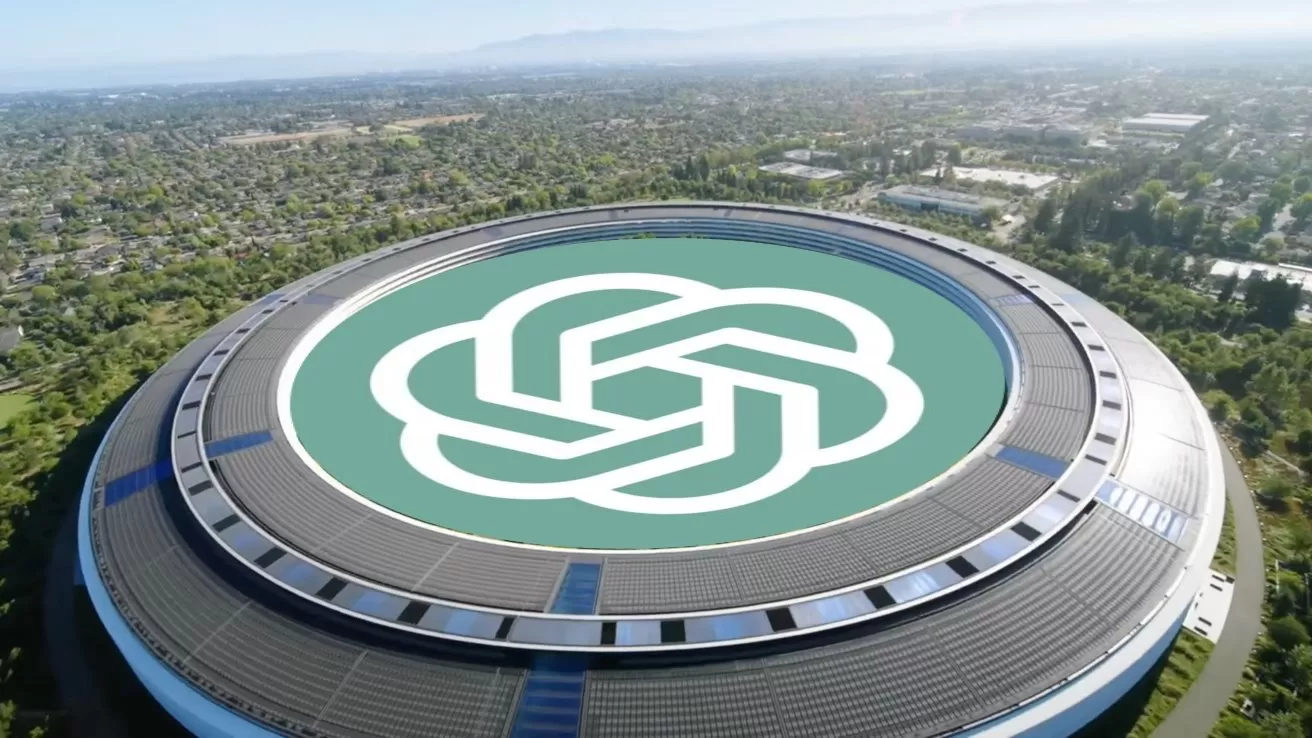
OpenAI says that Apple Park's procedures when staff leave is inadequate - background image credit: Apple.
If an employee dodges check-out and turn-in, and that is proven in court, the company said to be not sufficiently protecting secrets is generally given the benefit of the doubt. In that case, culpability rests in the hands of the employee alleged to have misused their prior company's data.
Historically, the argument that a cloud service has insufficient protections is difficult to make. However, precedent in similar trials says that it is generally the responsibility of the account holder, meaning the ex-employee, to secure data in an ethical fashion especially if exit interviews were avoided.
The defense attorney that we spoke to also mentioned that OpenAI's tack in first denying the theft, then tacitly admitting that they did only after initial forensic filings in Monday's filing will be damning.
"Judges have long memories," they said to us on Tuesday. "When Apple filed, OpenAI already knew if they did or didn't do it, and should have gone this route from the beginning."
"Otherwise, with the change in statements, it looks like Mom busted the kid on the ladder, with his hand in the cookie jar, and crumbs everywhere," they said. "Apple's consistency in accusation will be clear, and OpenAI trying anything that will stick will be messy."
The next hearing is in early October.