On August 20, 2019, Apple officially launched Apple Card with any US citizen able to apply. Since then it's been a hit, but it's faced controversy over everything from low reward rates to alleged sex discrimination — and Apple's partner wanting to pull out.
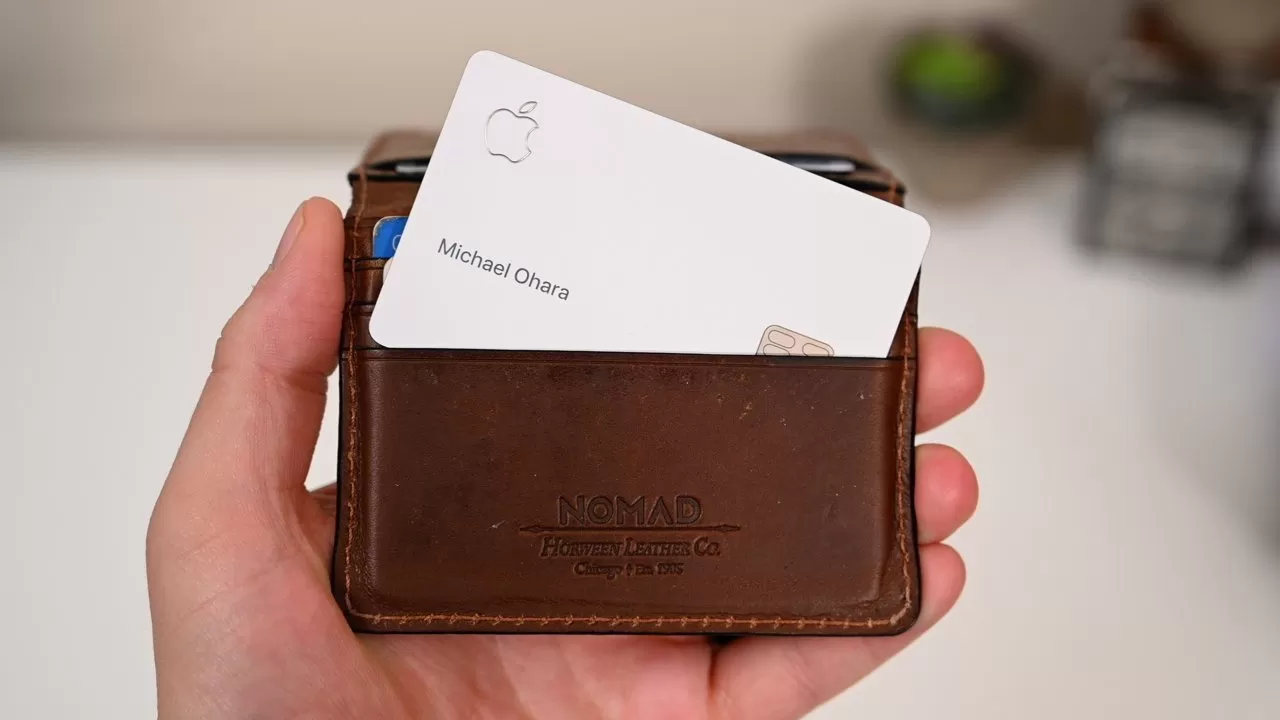
In every sense bar one, Apple Card is typical of the products Apple has been most famous for making. First it was rumored for years, then it launched to fanfare and criticism, plus it was even thought of first by Steve Jobs. The difference is that apart from its titanium card, it's not hardware, and apart from its app, it's not really software either.
Apple Card belongs to the moment when Apple most clearly pivoted from being a hardware company that also did software, to one it's arguably a services firm. Apple was heading that way for a long time, and it's not as if its hardware and software are going away.
But Apple's March 25, 2019 special event marked a turning point. On that day, Apple eschewed its regular launching of new MacBooks, iPads or education products.
Instead, those products were hurriedly announced in press releases ahead of the event, so that the day itself could be devoted to services. Most of the event was the announcement of what was then called Apple TV+, but Tim Cook also confirmed that the rumored Apple Card was coming.
This is another departure from the Apple of old. It's now rare for the company to reveal anything and conclude with the words "available today," but most of that event left us waiting a long time.
While Apple News+ was announced and actually launched, Apple TV+, Apple Arcade, and Apple Card were all given the full launch treatment — bar an actual date.

Apple Card pre-history
We would end up waiting 148 days before Apple Card was available. But in truth, we'd really been waiting for something more like 15 years.
Following the departure of the GE Capital Apple Credit Card, used to exclusively buy Apple products, Steve Jobs proposed an Apple-branded credit card. It wasn't a casual thought, either, as the company went very far down the line of making it a reality.
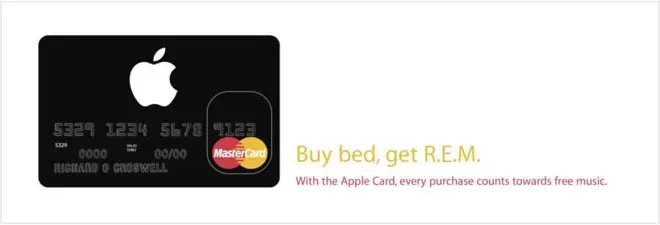
Original marketing materials for what would have been an Apple Card in 2004. Notice the name on the card: Richard O Croswell was an executive at MBNA at the time.
According to Apple's then advertising agent, Ken Segal, plans were sufficiently advanced that an ad campaign was mocked up and ready to go. Seemingly Jobs couldn't get the terms he wanted out of card companies like Mastercard, and he dropped the entire plan.
Tim Cook may not necessarily have got exactly the terms Apple wanted either, but he did negotiate a deal with Goldman Sachs that at least appeared to work for both companies.
While Goldman Sachs had worked with Apple since Steve Jobs returned to Cupertino, it appears to have specifically begun negotiating about what would become Apple Card from sometime in 2018. The key difference between then and 2004, though, is that there was now Apple Pay.
Goldman Sachs reportedly wanted a consumer product, instead of its business-to-business financial offerings, and Apple had this extremely successful payment system. Launched in 2013, Apple Pay is still expanding and sees transactions across the US and more than 50 countries.
Waiting to launch
Based on the existing wide reach and high adoption of Apple Pay, the one group that didn't wait for the actual launch of Apple Card was the financial press. Investment banks such as HSBC predicted that the "large potential captive market" would mean a windfall for Apple and Goldman Sachs.
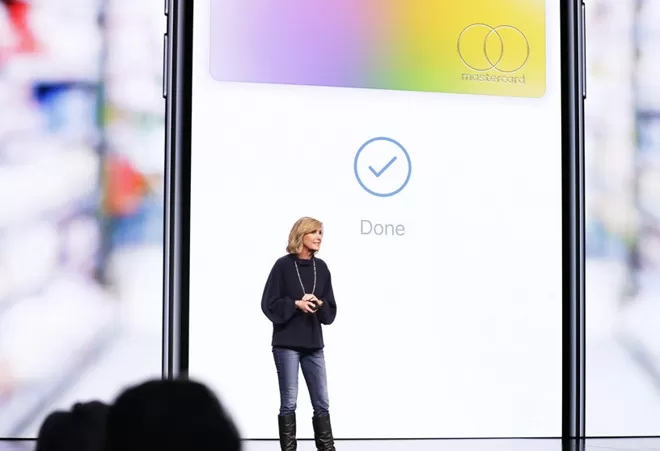
Jennifer Bailey, Apple's Vice President of Internet Services, and Apple Pay, announcing Apple Card
Basing calculations on the idea that around half of Apple's then 146-million adult users in the US could qualify, HSBC predicted net income up to $300 million in the first year and up to $1.5 billion by 2025.
Those were guesses, but what we learned for sure shortly after launch was that Goldman Sachs' investment in Apple Card was serious, working out at $350 per user.
And Goldman Sachs specifically told its investors in October 2019 that Apple Card had gone quite well. It was "the most successful credit card launch ever," said the company.
Tim Cook said much the same in an Apple earnings call in July 2020. Asked about how buyers had adapted to the coronavirus lockdowns, Cook said that it was clear from Apple Card how things had moved.
"We saw changes in consumer spending as the shutdowns occurred and store closures occurred, we could see that across the Card," he said. "It affected the categories that you would guess the most, like travel and entertainment etc."
"But overall," he continued, "if you sort of pull the lens out on the Apple Card, we're very happy with the number of people that have [one]."
"We believe based on what we've heard that it's the fastest rollout in the history of credit cards and so we feel very good about that," he concluded.
The controversies begin
Back when that rollout was beginning, Apple may have opened applications to all US citizens in August, but there were many people using it before then. They consisted of various trial runs, some Apple staff, and selected beta users. And some of them had problems.
Specifically, very shortly after the launch, they were already able to say that after a month's use, the titanium Apple Card showed wear. Apple's legion of support documents for Apple Card user quickly added one about how to take care of it — and clean the titanium.
Speaking of titanium, though, it turned out that the card wasn't entirely made of that material, not absolutely entirely. For a start, the white finish is a coating, but people with a scanning electron microscope and not enough real work to do, dug further.
The University of Berkley reports that Apple Card is 90% titanium. The remainder is an alloy that chiefly comprises aluminum.
Vastly more serious was the controversy that began in November 2019 where Apple and Goldman were accused of sex discrimination. The first accusation came from David Heinemeier Hansson, then best known for creating Ruby on Rails, but now perhaps better known for complaining about the App Store and its treatment of his Hey email app.
The @AppleCard is such a fucking sexist program. My wife and I filed joint tax returns, live in a community-property state, and have been married for a long time. Yet Apple's black box algorithm thinks I deserve 20x the credit limit she does. No appeals work.
— DHH (@dhh) November 7, 2019
Although Apple promotes the card as having been "created by Apple," it was always really curated by Goldman Sachs. That company, along with unspecified other partners, was the one that determines eligibility for the card and sets credit limits.
"We have not and never will make decisions based on factors like gender," responded Goldman Sachs Bank CEO Carey Halio said in statement. "In fact, we do not know your gender or marital status during the Apple Card application process."
As Goldman Sachs denied any gender bias in its credit ratings, Apple co-founder Steve Wozniak claimed to have seen a similar disparity between him and his partner. And then US Senators got on the case.
Goldman Sachs's Halio asked Apple Card holders to contact the company if they had received unexpected credit limits. "If you believe that your credit line does not adequately reflect your credit history because you may be in a similar situation, we want to hear from you," she said. "Based on additional information that we request, we will re-evaluate your credit line."
The New York Department of Financial Services announced in November 2019 that it would be formally conducting an investigation. In March 2021, it reported that the investigation "did not produce evidence of deliberate or disparate impact discrimination but showed deficiencies in customer service and transparency."
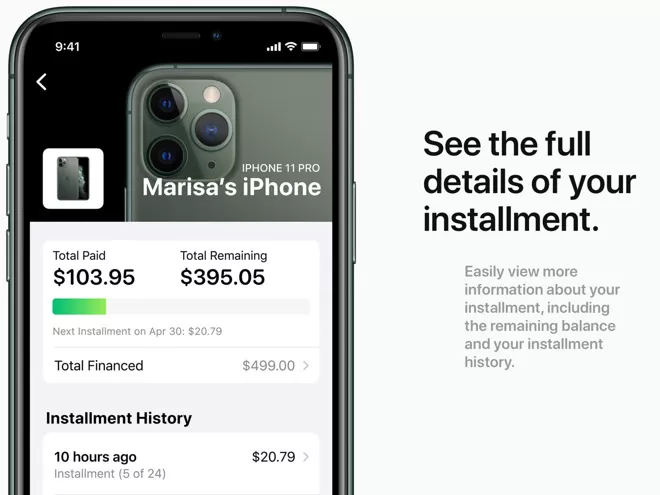
You can now pay for an iPhone in instalments using Apple Card
Positives and negatives
In good news about Apple Card, December 2019 saw Apple add the ability for users to buy iPhones on their cards and pay in instalments. Apple Card offers 3% Daily Cash on purchases made from Apple, and despite the instalment plan, buying an iPhone counts as one purchase.
So this was both a long-term aid to spreading the cost of a new iPhone, years before the introduction of Apple Upgrade, and it was an immediate benefit, too. Then in June 2020, Apple extended the programme to mean you can buy almost any Apple devices this way, just not an Apple Watch or an iPod touch for some reason.
There was also the way that to help people during the COVID-19 situation, Apple allowed Apple Card users to defer their March 2020 payments. The company continued to do that through the next several months.
Similarly, depending on your point of view, Apple also launched a way to help people whose poor credit scores meant they were refused an Apple Card — or Apple found a way to get more users. In July 2020, the company launched "Path to Apple Card," a program that helps them assess and improve their financial situation.
Included in the four-month program is advice that ranges from how reducing debt and paying on time helps. At the end of the program, users are invited to apply again for an Apple Card.
This launched alongside a new Apple Card financial health website. So there's definitely an educational element here, but arguably it was prompted by allegations that Apple and Goldman Sachs were accepting applicants with "sub prime" credit records.
Apple iterates on the Apple Card
We'll never know what changes or improvements Apple and Goldman Sachs may have done to their internal processes across the first year of Apple Card. However, as that year was coming to an end, Apple did launch a couple of new features that were surprisingly absent in the original release.
Specifically, it made some online changes. Whereas before, you could only pay off your Apple Card via your iPhone, from July 2020, Apple added a way to do it online.
Then Apple added a feature you could've sworn must've been there from the start. As of August 12, 2020, you can now use Apple Card to buy from the online Apple Store.
Apple Card 2.0
Although Apple could offer better rewards for using Apple Card, otherwise it's hard to see what could be added next.
Right now Apple Card appears to be working for potentially millions of people, perhaps undertaking billions of transactions. It's bringing those people some rewards, and some convenience, while presumably earning Apple a nice amount.
If it's only tenuously hardware, and tenuously software, this Apple Card service represents the new Apple in every way — bar one.
Apple Card remains exclusively available in the United States. That's despite an early promise from Goldman Sachs, made before the card had even officially launched.
"We're going to start in the US," said Goldman Sachs International CEO Richard Gnodde, "but over time, absolutely, we will be thinking of international opportunities for it."
Tim Cook said similar things, but even after seven years and JP Morgan Chase beginning to take over from Goldman Sachs, there's been no official word of a wider rollout.
Tumbleweed and regrets
As it turned out, it took until 2023 before there would even be one rumor of Apple Card coming to any other country. Multiple sources then reported that Tim Cook held talks with banks in India while he was there for the opening of the country's first two Apple Stores.
There have been small adjustments to the terms and conditions of Apple Card, including one where buyers can only use its monthly instalment feature on iPhones that come with a carrier instead of simply being unlocked.
Much more welcome was the long delayed launch of a high yield savings account in April 2023. Apple Card users could use this account as a regular savings one, and also have their Daily Cash automatically go into it.
That saw $1 billion in its first four days, and then a total of $10 billion saved into it just over its first three months.
Not everyone wins
But even as all of this was seemingly going very well for Apple, it doesn't appear to have been great for Goldman Sachs. The company has pulled out of all its other consumer projects and while that's not all down to Apple Card, the costs of that were a contributor.
From around mid-2023, it started to be first rumored and then reported that Goldman Sachs wanted to get out of its Apple Card deal.
At one point, Apple issued a statement that was notable for taking quite a few words in order to say nothing.
"Apple and Goldman Sachs are focused on providing an incredible experience for our customers to help them lead healthier financial lives," said the company. "The award-winning Apple Card has seen a great reception from consumers, and we will continue to innovate and deliver the best tools and services for them."
Those tools and services would not, though, include a previously planned stock trading app. Apple and Goldman Sachs reportedly abandoned that plan in September 2023.
The future of Apple Card
Goldman Sachs and Apple had a deal to continue working together until 2029. But in January 2026, Apple confirmed the rumors that Apple card was moving.
It will take at least a couple of years before the transition is complete, but Goldman Sachs is going and JPMorgan Chase is in.
"We're incredibly proud of how Apple Card has transformed the credit card experience for customers by delivering innovative tools that empower users to make healthier financial decisions," said Jennifer Bailey, Apple's vice president of Apple Pay and Apple Wallet at the time. "Chase shares our commitment to innovation and delivering products and services that enhance consumers' lives. We look forward to working together to continue to provide a best-in-class experience and exceptional customer service with Apple Card."
It's expected to take until early 2028 before Chase has fully taken on Apple Card. That length of time points to the complexity of the operation, and may also be a clue why Apple needs the backing of a firm like Chase.
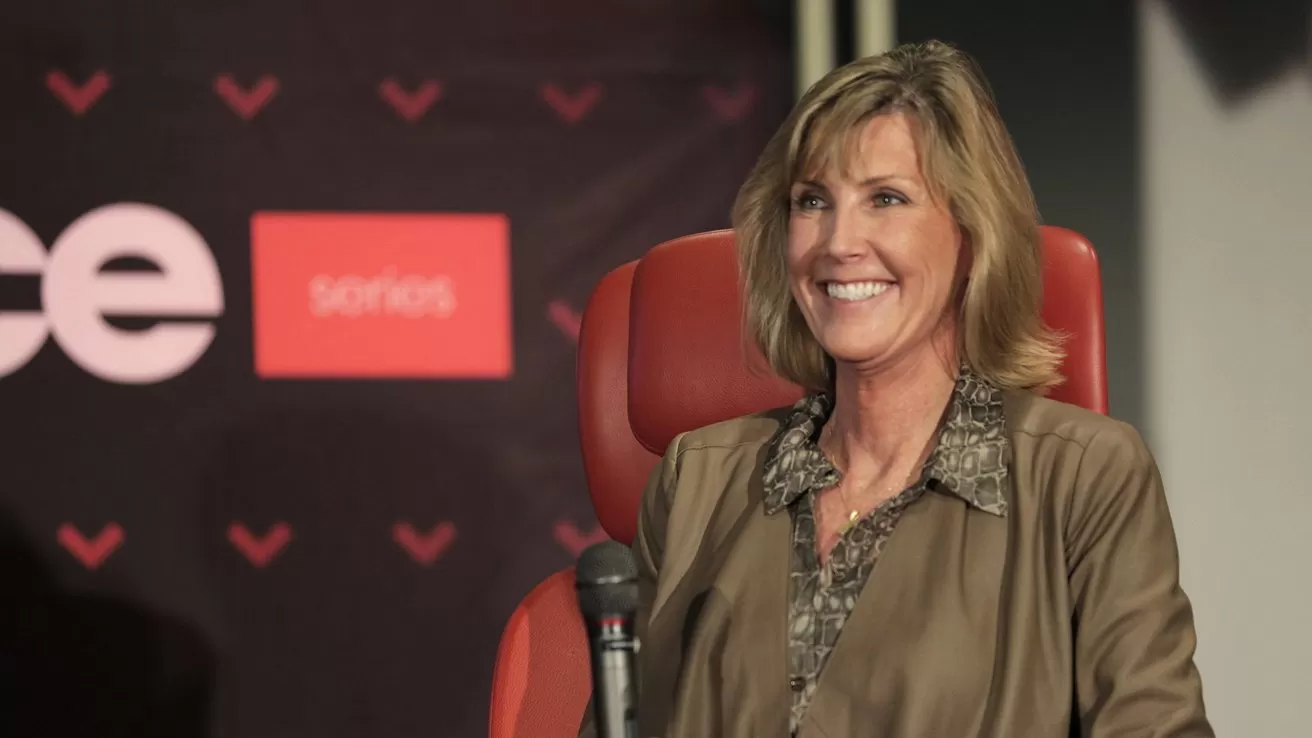
Apple Card head Jennifer Bailey is retiring after overseeing the deals with Goldman Sachs and JPMorgan Chase
Apple clearly has the funds to run Apple Card entirely by itself, and at times it was rumored to be considering it. Since launching Apple Card, Apple briefly launched a Buy Now Pay Later (BNPL) service, which it did back itself.
Apple Pay Later, as it was called, rolled out in October 2023 and was reportedly a success.
But presumably it wasn't enough of a hit, as Apple axed it less than a year later, in June 2024.
What happens next
For now, no existing Apple Card user should notice any difference, and they're unlikely to see any extra benefits. That said, there was an unusual offer in May 2026 that offered AirPods Pro 3 for free for people joining Apple Card, but it was much more limited than it seemed.
Depending on how well that worked for Apple, there may be more to come. And Apple is at least hinting at there being "an exciting future ahead."
Apple's Eddy Cue said that in a note sent to all employees to announce the retirement of Jennifer Bailey, vice president of internet services and Apple Pay. "She also led the development and growth of... Apple Card, and led our work in Services fraud prevention and partner operations," said Cue.
Unsurprisingly, then, Bailey was involved in the deals with Goldman Sachs and Chase. Her successor will be announced in October 2026, but it's still going to be more than a year until there can be any change with Apple Card.
There are credit cards that offer better rewards, but none that are so tightly integrated into the Apple ecosystem.
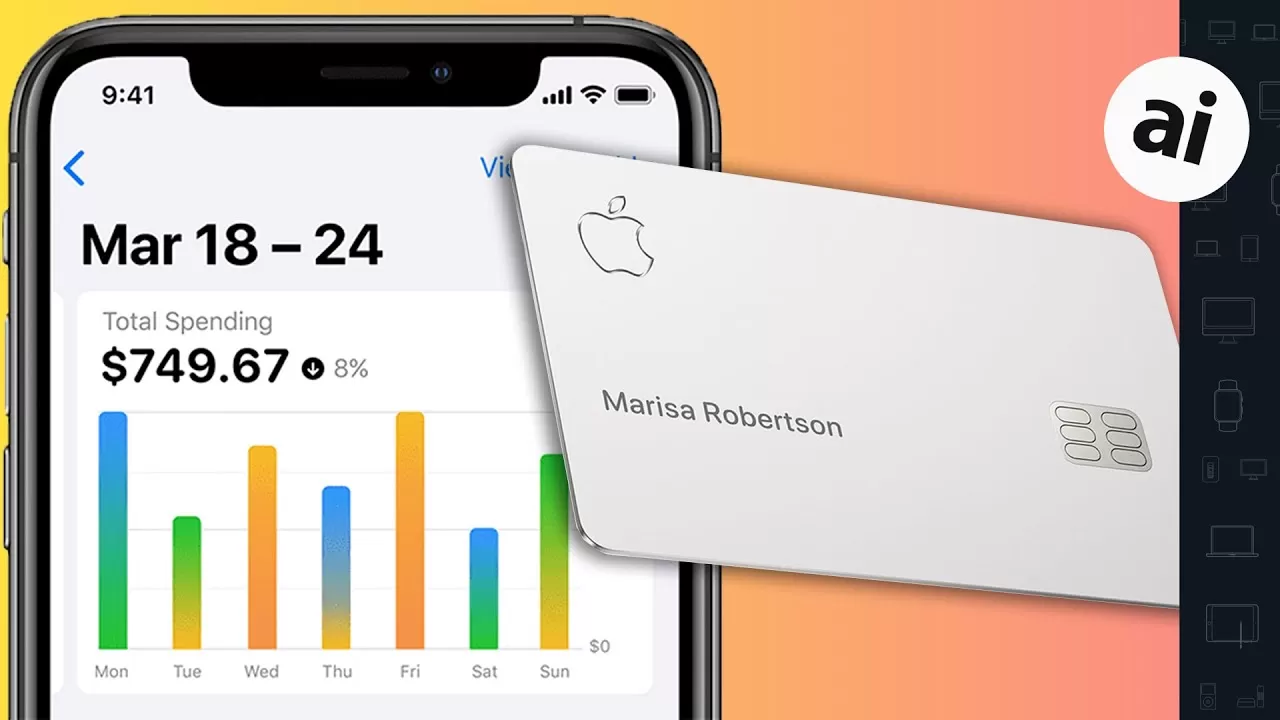
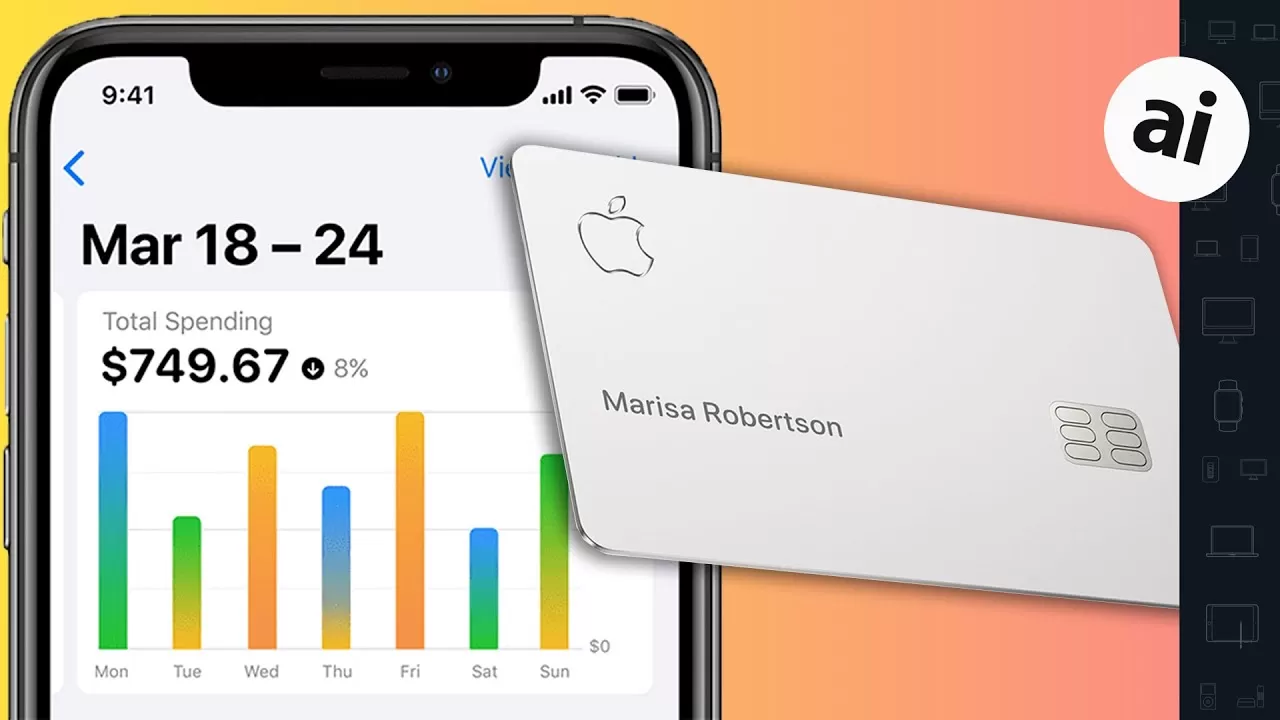
No other credit card has the same immediate access to particularly clear details of a user's account. No other credit card makes managing the account as straightforward.
Apple is now definitely a services company, but it's this combination of services with hardware and software that gives Apple Card an edge.