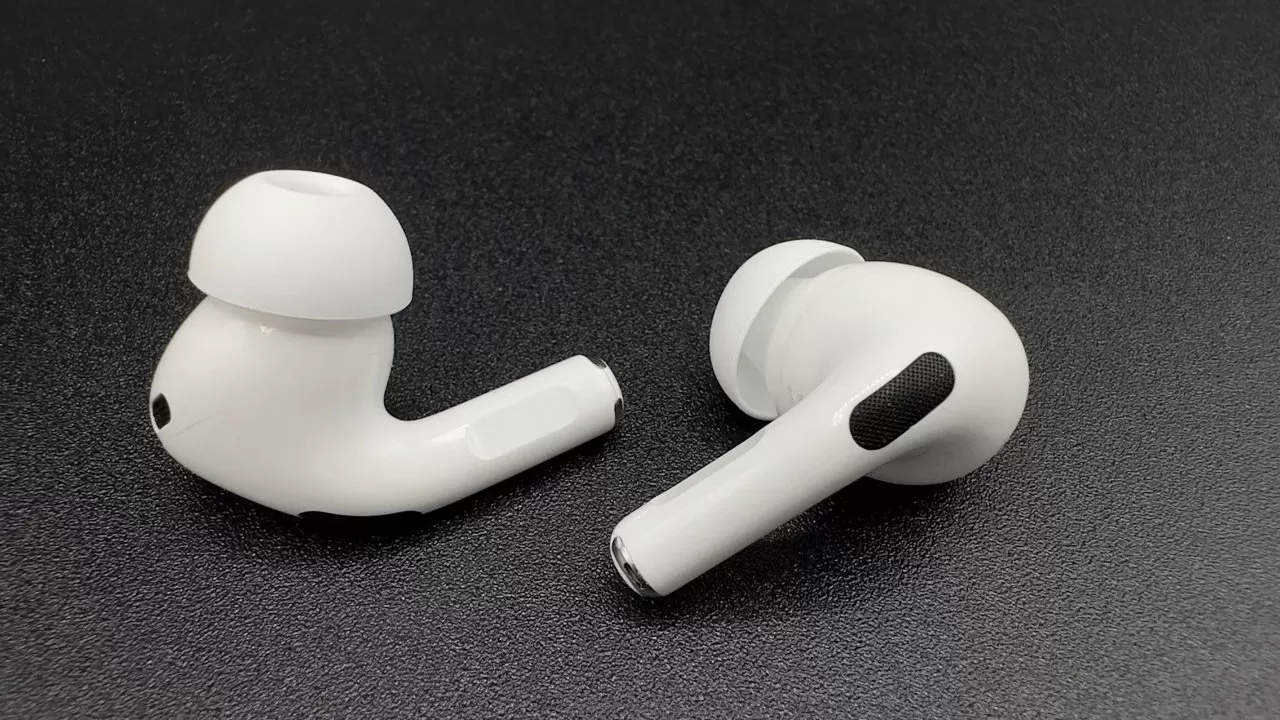
There's already social media outrage that AirPods Pro are going to get a camera very soon. Like with mockery about the Snuggie, the Clapper, and so forth, most of the drama badly misses the point.
Meta's AI specs are creepy. They have nearly invisible cameras, whose main protection for the non-wearer is a light that is easily defeated by a piece of electrical tape.
This is just the way that they want it. The "protections" that Meta has implemented are pointless by design.
Monday night's omnileak of just about everything Apple is releasing for the next few months was explicit about AirPods with cameras coming very soon. There's even a video that showed an AirPods wearer identifying a book with just a prompt to the AirPods to do so.
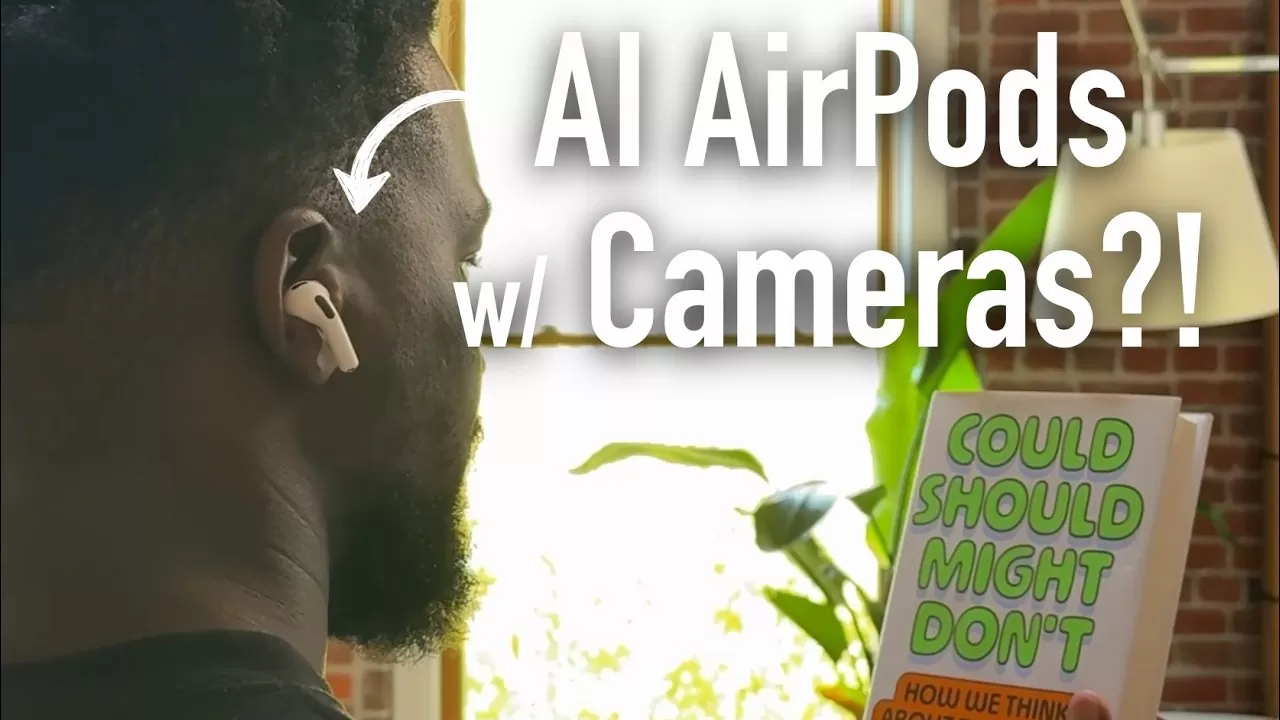
All fine and good. That video, though, doesn't eliminate a user-accessible camera using the visual spectrum for image capture.
What does exist to refute the privacy-violating camera hysteria on social media is a previous rumor. That rumor says that the cameras capture just enough quality outside the visual spectrum to feed data to Apple Intelligence. And, importantly, not capture enough detail or fidelity for video or images to be fed to Photos.
Apple is facing heat about those cameras on social now, uninformed and as knee-jerk as it is. It will face more as the mainstream media sees the word "camera" in September and October associated with AirPods, and freaks out.
I don't want a video camera on my AirPods that feeds imagery to Photos. That would be just as bad as Meta's stealthy camera on their glasses.
I do want a camera that can be used for accommodations for special needs.
Backdoor accomodations
Accommodations for special needs get expensive, rapidly, for buyers. Demands of company shareholders, and the payments by insurance companies keep the prices high, because they can be high.
In other cases, small manufacturing volumes mandate higher prices because the gear just costs more per unit than it would if a company was making 100 times more units.
Just from my life's experience, I can tell you that more than a basic cane can get very expensive. Pediatric wheelchairs, which are glorified larger strollers, cost as much as a used car.
More generally, hearing aids can cost thousands of dollars. Assistive talking devices, like the device on Stephen Hawking's wheelchair, can cost tens of thousands of dollars.
Fortunately, this assistive talker market has been mostly supplanted by an iPad and the Apple-heralded Proloquo2Go or the like. And AirPods are great hearing aids now.
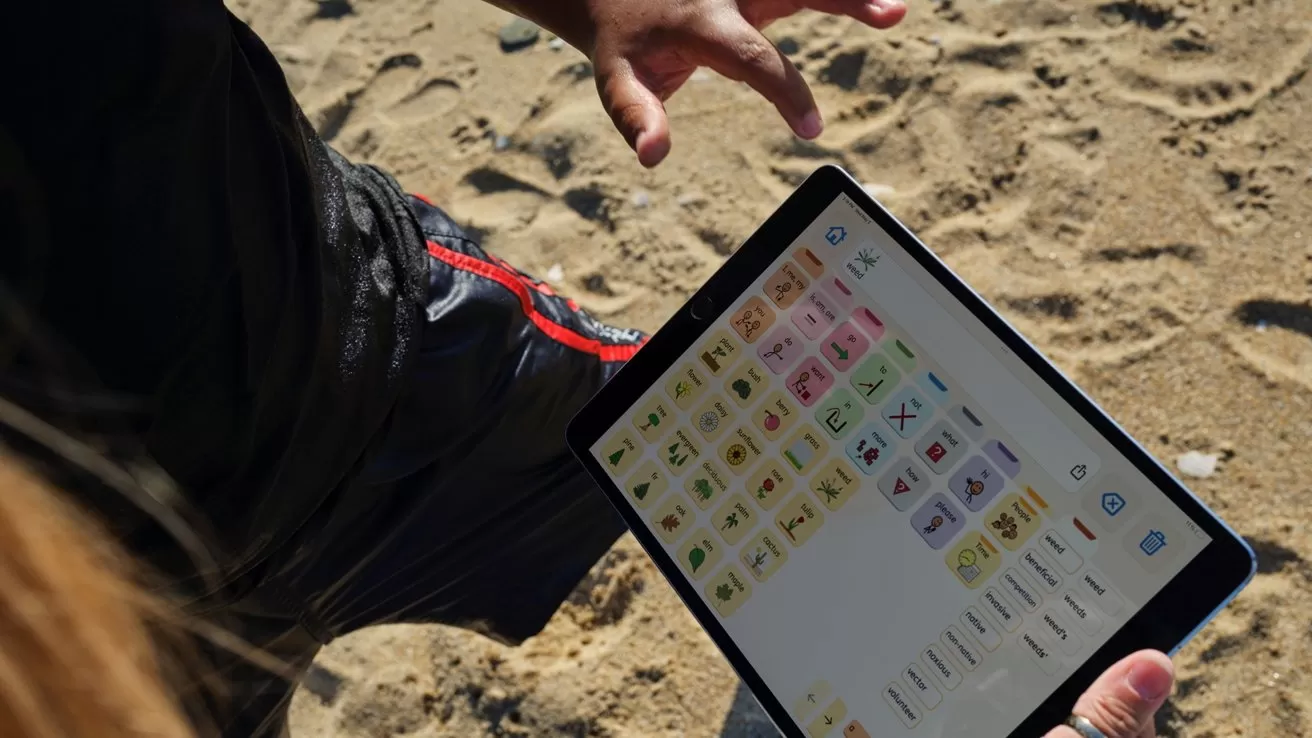
Proloquo2go on iPad - image credit Apple
For the vision-impaired, there are systems that help identify things that don't require a full-mobility user to point your iPhone at them. They cost more than just low thousands, though.
It takes mass-market use for accessibility to be affordable. The Snuggie on "as seen on TV" ads isn't just a wearable blanket; it's a walk-in bathrobe that doesn't have to be put on from the back.
The Clapper was home automation before there was effective remote control of appliances and lights. And it was yet another accessibility tool, made affordable. Stealth acessibility, sold to a wide market to keep costs down and profits up.
AirPods are the definition of mass-market. They benefit from millions of units being made, and a reliable company to back and support them.
So, AirPods with cameras won't end up as abandonware like the Moxie autism-supporting robot that the vendors killed. For what it's worth, two years later, the open-source effort to restore the Moxie robot didn't really work that well. In essence, those robots are lobotomized at best.
Infirmity is coming for us all
Nobody wants to be disabled; nobody asks for that. Outside of accident or disease, the infirmity of age is coming for us all, though.
If you don't want AirPods with cameras to identify your surroundings, there will be other audio options from Apple, from Beats, and from just about every other electronics company on the planet. You can skip them in principle if all you need is audio playback.
And like I said, AirPods are already ersatz hearing aids, cheaper than most. Cameras on AirPods that can't be abused to violate others' privacy, but can be used to identify something and speak it out loud to the wearer, just add to that accessibility legacy.
For the vision-impaired, they may be a godsend. And an affordable godsend at that.