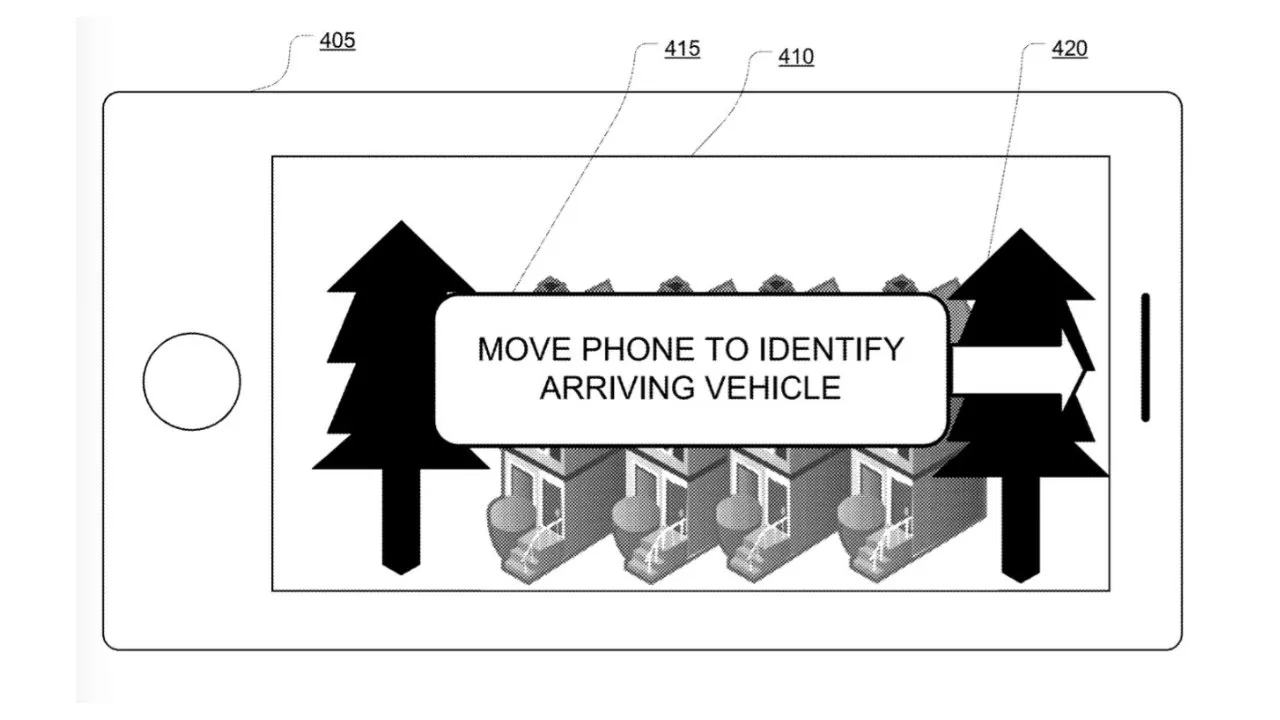
A newly-granted Apple patent proposes using iPhone AR to identify an oncoming vehicle, to be certain that it's the ride you booked.
Maybe it's more common for people to deliberately push their way into a waiting car they know isn't theirs, but it can also happen by accident. That's perhaps especially true when you are at a crowded event and everybody in sight has also booked a ride.
To solve this, Apple has once again been granted a patent called "Augmented reality interface for facilitating identification of arriving vehicle," which it was previously awarded in 2023. There are actually around half a dozen patent applications for this technology, and chiefly by the same inventors, dating back to 2018.
There can be many reasons for Apple re-applying when it's already been granted a patent, but at the very least it shows that research is continuing.
Which is particularly relevant here because it's very clear that this patent was borne out of Apple's research into making an Apple Car. Of course the patent never used that term, but maybe Apple envisioned fleets of Apple Cars, and so a need to distinguish between them.
"Mobile apps are helpful for requesting a car to provide transportation," says Apple in this new version of the patent. "But, high usage of such mobile apps can cause confusion in an urban environment where there are many cars and where other people may also be waiting on a car."
"It is a common mistake for a passenger to get into a wrong car," continues the patent, which then launches into proposals for an augmented reality system that makes sure this never happens again. While doubtlessly this could be done with an Apple Vision Pro headset, the patent describes it more as being for using on an iPhone.
It most resembles Apple's existing AR features in Apple Maps on the iPhone. While walking, users can look around them through the phone's screen and see directions like "turn left in 100 yards" overlaid on what they're watching.
That Apple Maps process begins with pointing the iPhone's cameras at surrounding buildings so that it can then precisely determine where you are and which way you are facing. But it looks like this new AR idea needs exactly the same starting point.
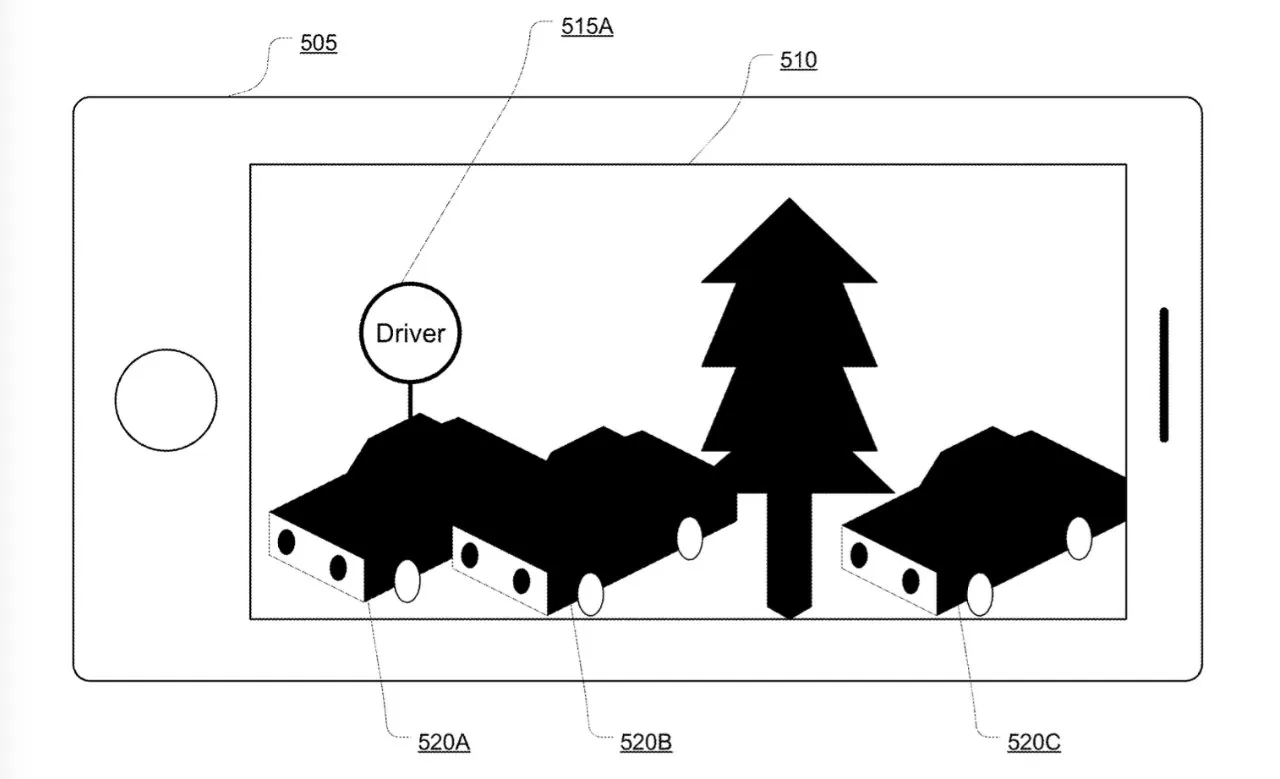
Perhaps this would be most useful when it's dark.
"[A] mobile device may be used by a passenger to scan scenery," says Apple. "The mobile device may determine whether and where a requested vehicle is located and display an indicator of the requested vehicle on the mobile device."
"A pin or dot identifying a GPS coordinate may not provide sufficient accuracy in a crowded environment," it continues. "Therefore, it is desirable to provide devices that can assist in identifying the correct vehicle that a passenger is waiting to enter."
Ride-sharing services like Uber use that "pin or dot" idea to show where a vehicle is, and Apple is right that it's not ideal. As well as a crowded area meaning there may be many cars, GPS falters when that area is surrounded by high buildings.
Plus this is not just a matter of it being inconvenient to all concerned if you get the wrong car. There is also a safety issue over getting the car you booked, and so if necessary being able to report that driver to the authorities.
So there are serious sides to this, but Apple may be doing that thing of devoting funds and time to making a pen work in space, instead of using a pencil. Repeatedly, this becomes an elaborate AR patent when the user could just read the car's number plate.
There are 22 US States, though, where drivers are only required to have a plate on the back of their car, not the front. Plus there are also elements of this patent that are proposed for the driver trying to spot their waiting passenger.
"Similarly, a mobile device may be used by a driver to scan scenery," says Apple. "The mobile device may determine whether and where a passenger is located and display an indicator of the requesting passenger on the mobile device."
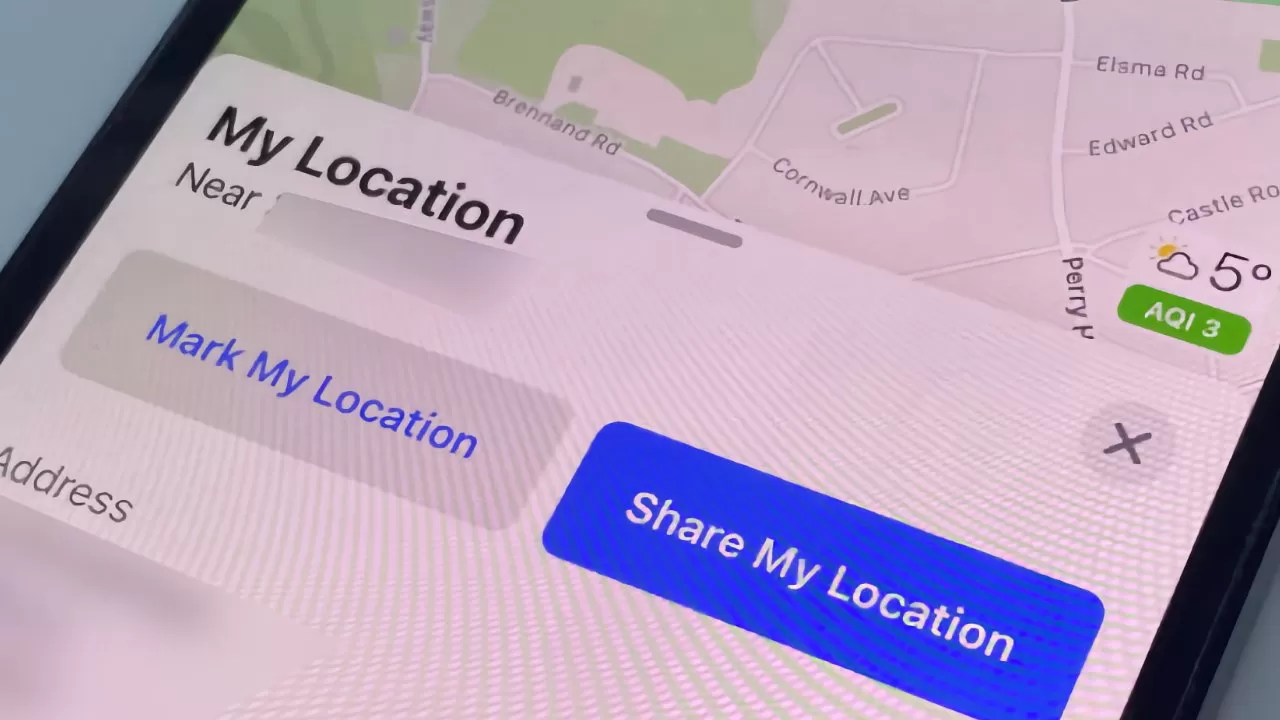
Driver and waiting passenger could aways share each other's location if they're in doubt.
Despite working on versions of this for at least eight years, there is no sign of Apple launching it as a standalone app or feature. However, back in 2011, Apple introduced a Share Location feature to iOS, so two iPhone users can find each other.
One AppleInsider staffer used this to find his way out of an unfamiliar Geneva train station in Switzerland. The driver sent to meet him spent most of the ensuing ride enthusing about having just switched from Android because of features like this.