Apple's base model iPhone 18 is probably not going to arrive until spring 2027, but the rumor mill already has a lot to say about the device. Here's what you need to know.
September marks the arrival of new-and-improved iPhone models, from the standard variant to the high-end Pro and Pro Max. Though the premium models always get the latest features, even the base model gets some well deserved attention now and then.
With the iPhone 17 range, the standard iPhone received a larger 6.3-inch display with ProMotion and an 18MP Center Stage camera. The typical performance improvements and new color options aside, though, the phone is effectively identical to its predecessor.
Apple's base model iPhone 18 range is expected to deliver more of the same, that being incremental hardware upgrades rather than a complete visual overhaul. However, the phone's release date is expected to be much later than the usual September iPhone event.
Multiple sources have said the iPhone 18 would, instead, arrive in the spring of 2027. It's even been said that the standard iPhone 18 will offer hardware that more closely resembles the iPhone 18e, especially in terms of performance.
As for how much of a downgrade we can expect with the iPhone 18, and why it will arrive in early 2027, leakers and analysts alike have outlined their reasoning.
iPhone 18 launch date rumors: Spring 2027 rather than fall 2026
Apple's budget-oriented "e" models, like the iPhone 17e, typically launch after the standard and high-end iPhones. With the iPhone 18 lineup, however, Apple might shake things up once again.
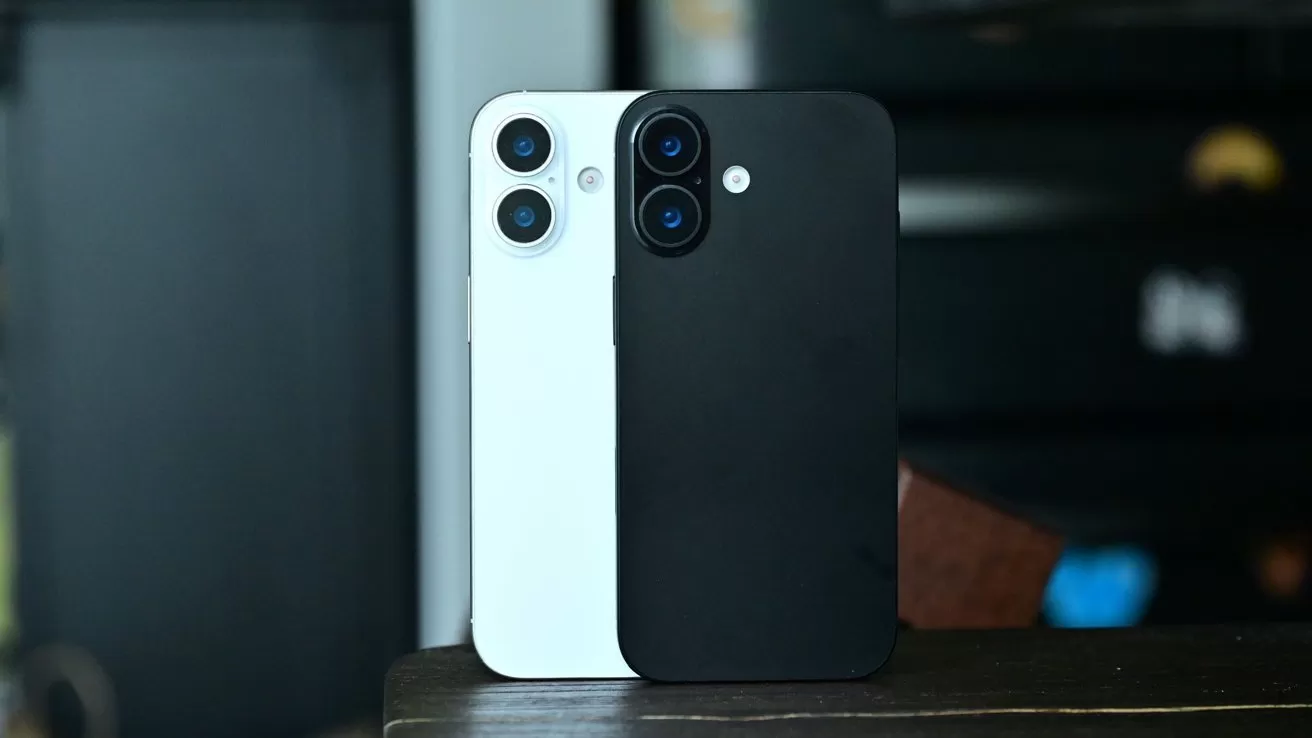
Multiple sources have claimed the iPhone 18 would arrive in early 2027 rather than late 2026.
According to a May 2025 rumor citing anonymous Apple supply chain sources, the base model iPhone 18 will be released in early 2027. The same publication reiterated this claim in December 2025.
Other sources have said the same thing as well. For instance, a known Weibo leaker chimed in in July 2025, also alleging that a 2027 debut was in store for the standard iPhone 18. Subsequent reporting from August 202 and November 2025 echoed the launch date rumors as well.
In January 2026, another report offered an idea as to why the release date had allegedly shifted. Supposedly, ensuring "supply chain smoothness" was a key goal behind the decision, but "the marketing strategy change also played a part in the decision [to split the launch]."
That's allegedly according to an unnamed iPhone supply chain executive. Another report, this time from March 2026, also argued that the base iPhone 18 would arrive in early 2027.
In May 2026, one leaker strangely claimed that Apple had moved the iPhone 18 launch date to 2027 because it wants to "extend the market buzz of the previous generation," meaning the iPhone 17. They also called the move a "very clever market adjustment mechanism" that might help Apple "wipe out Android."
All in all, the rumor mill thinks the base model iPhone 18 will arrive in early 2027, with only the "Pro" models launching in September 2026. There have been no claims about a September 2026 debut for the base model iPhone 18.
iPhone 18 design and display rumors: Possible Dynamic Island tweaks
In terms of design, the standard iPhone 18 will likely bear a significant resemblance to its iPhone 17 counterpart. Per a January 2026 rumor, the iPhone 18 will keep the current 6.27-inch display size, meaning the phone itself won't be any larger or smaller than the preceding model.
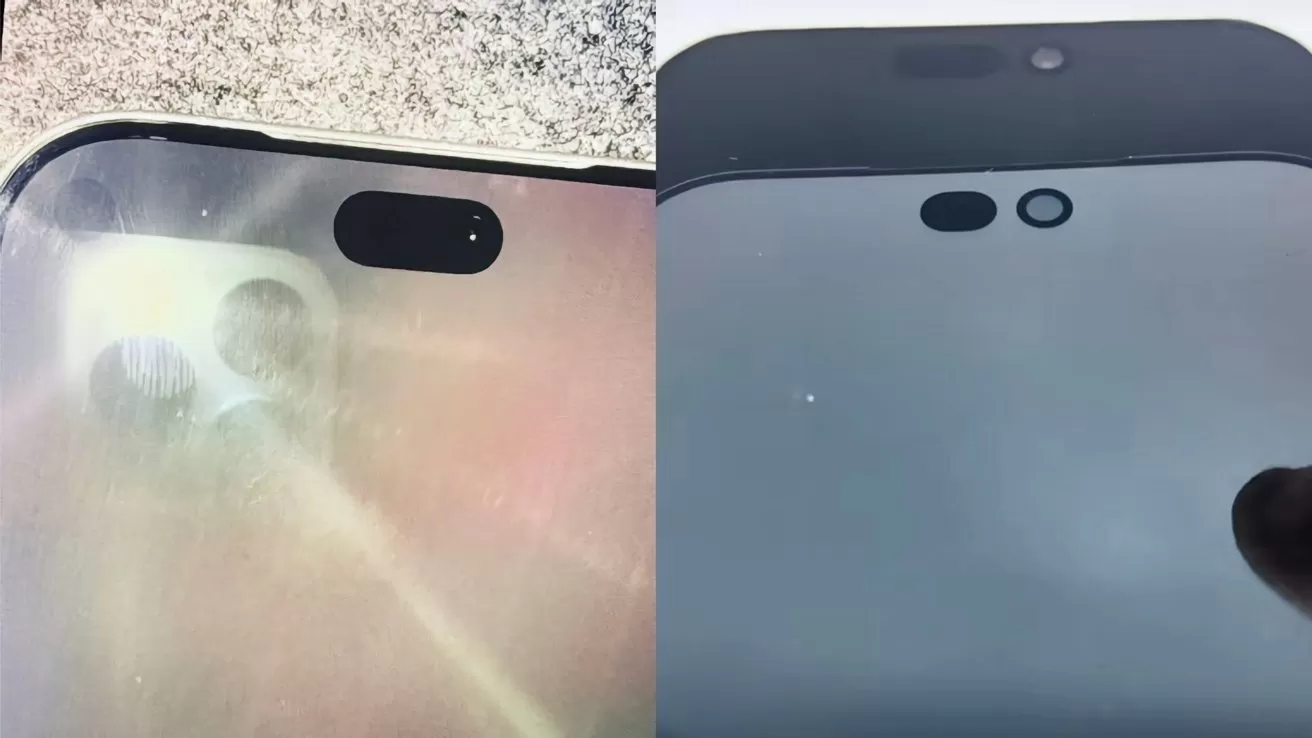
Images allegedly showing a smaller Dynamic Island. Image Credit: Early Apple Leaks/Ice Universe
That number will almost certainly be rounded to 6.3 inches. As for the display itself, the iPhone 18 is expected to use a 120Hz OLED panel with ProMotion support, but the Dynamic Island could undergo a small change.
Though it was previously alleged that only the iPhone 18 Pro would receive a redesigned Dynamic Island, a March 2026 rumor said the change was coming to the base iPhone 18 as well. According to a leaker with a mixed track record, "the Dynamic Island has been made smaller."
However, they also said that the "bezel design is identical to that of the iPhone 17 series," which means we won't see any additional visible changes. Alleged images of the smaller Dynamic Island were posted, though their authenticity has not been confirmed by reliable sources.
According to an earlier May 2024 rumor, though, non-Pro models of the iPhone may not gain an under-screen Face ID feature until the iPhone 19, arriving in late 2027 or early 2028. It appears unlikely that the Dynamic Island will shrink on the standard iPhone 18.
So far, only one source has claimed the base model iPhone 18 is getting a redesigned Dynamic Island, and it doesn't look like anything else will change, either. Back in February 2026, it was said that the iPhone 18 Pro design would echo that of the iPhone 17 Pro, and a May 2026 case leak suggests the standard iPhone 18 won't look all that different, either.
In November 2025, though, one rumor said that the iPhone 18 Pro would feature a more uniform appearance, relative to its predecessor, thanks to a change in the processing of the rear glass. Two months earlier, however, a Weibo rumor oddly claimed that the iPhone 18 Pro would feature a "slightly transparent" back glass panel.
While the backplate claims only concern the iPhone 18 Pro, Apple may also alter the back glass of the base model iPhone 18. If anything, we'll likely see a minute color adjustment to the backplate rather than fully transparent or translucent back glass.
It's certainly possible that Apple tested multiple back glass variants, which would explain the varying rumors, but judging by the lack of recent backplate-related rumors, it's unlikely we'll see a drastic change with the standard iPhone 18.
An April 2026 rumor said Apple was "focusing mainly on updated color options" rather than significant design changes for the iPhone 18 range.
iPhone 18 camera rumors: Simplified Camera Control & Samsung image sensors
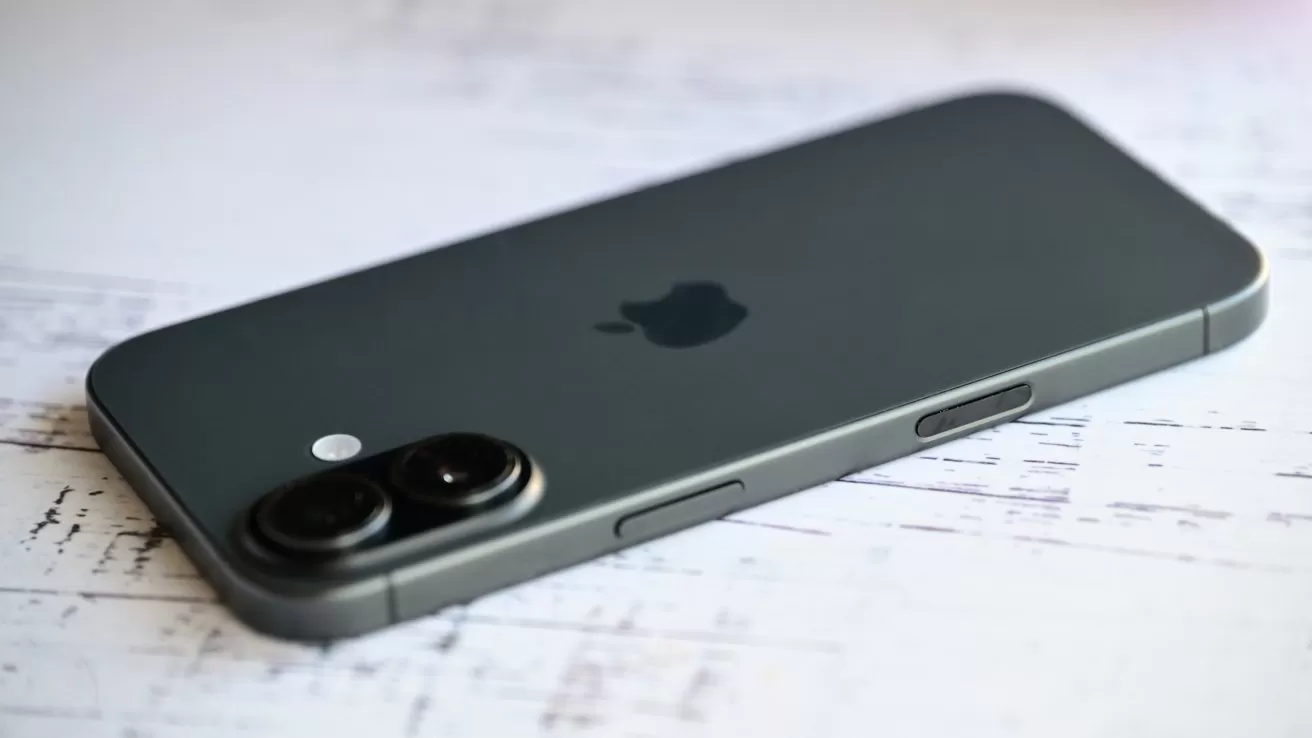
The Dynamic Island isn't the only thing that might change on the iPhone 18 either. On the right side of the phone, just below the side button, the iPhone 18 might offer a somewhat simplified version of the Camera Control.
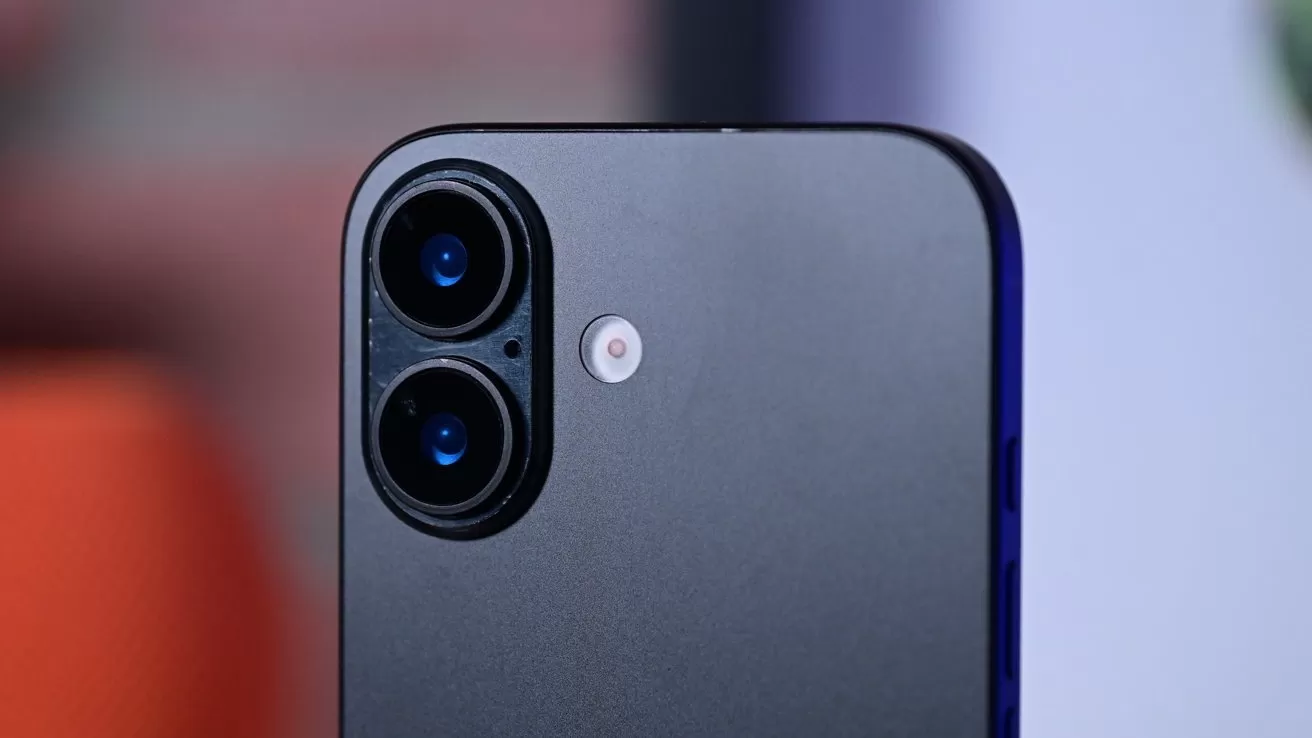
The standard iPhone 18 might feature a simplified Camera Control and Samsung-made image sensors.
An August 2025 report suggested Apple aimed to save on production costs. Supposedly, the Camera Control was not as popular as the company expected it to be. Some have even said the button is going away altogether as a result.
The same month, a source with a poor track record suggested Apple would get rid of the Camera Control entirely for iPhone models released in 2026 and beyond. There's at least one possible explanation for the conflicting button rumors.
It's possible that different button configurations were developed and tested for the iPhone 18, as was done with the iPhone 16 range. In 2023 and 2024, Apple gave up on plans for a capacitive Action button, codenamed Atlas, and haptic volume and power buttons, known internally under the codename Bongo.
Early iPhone 16 prototypes were made both with and without a Camera Control button. Apple could have taken a similar approach with the iPhone 18, and this would explain the different Camera Control rumors.
As for the camera setup itself, there have been no rumors specifically about the base model iPhone 18. While multiple reports have claimed the iPhone 18 Pro will gain a variable aperture camera, it looks as though the change won't apply to the base iPhone 18.
Rather than alleged iPhone 18 image sensor specifications, we've mainly seen rumors about who will manufacture them.
A July 2024 rumor said Samsung would produce image sensors, instead of Apple's usual supplier, Sony. The claim appeared again in January 2025, albeit with additional details this time around.
Supposedly, Samsung initially wanted to make a stacked image sensor consisting of three layers: a photodiode, a transfer layer, and a logic layer.
Simply put, the image sensor could come with a processor directly mounted to it. This direct mounting approach would ultimately improve the camera's responsiveness by getting image data to the processor more quickly.
Back in August 2025, Apple announced it would spend $100 billion on manufacturing facilities that are part of its U.S. supply chain. Among the beneficiaries was Samsung.
Reporting from December 2025 then claimed Samsung was preparing to set up manufacturing equipment at its Taylor, Texas, factory. This is allegedly where the CMOS image sensors (CIS) used in the iPhone 18 lineup will be made.
Internal documentation related to the iPhone 18 Pro, however, suggests Sony sensors will continue to see use. As AppleInsider exclusively revealed in June 2026, the main rear camera will change from the Sony IMX-903 in the iPhone 17 Pro to the IMX-905 in the still-unannounced iPhone 18 Pro.
Apple's apparent decision to stick with Sony sensors could extend to the base iPhone 18 as well, though there's nothing that points in either direction at the time of writing.
While camera-related rumors are few and far between, claims about the processing hardware of the standard iPhone 18 are in no short supply.
iPhone 18 performance upgrade rumors: 2nm A20 chip, 12GB of RAM
Analyst Ming-Chi Kuo claimed in September 2024 that the iPhone 18 Pro would be the only device in the iPhone 18 lineup with a 2nm chip. Back in June 2022, TSMC revealed its plans to debut its 2nm chip process in 2025, meaning we'll likely see the first 2nm iPhone chips in September 2026.
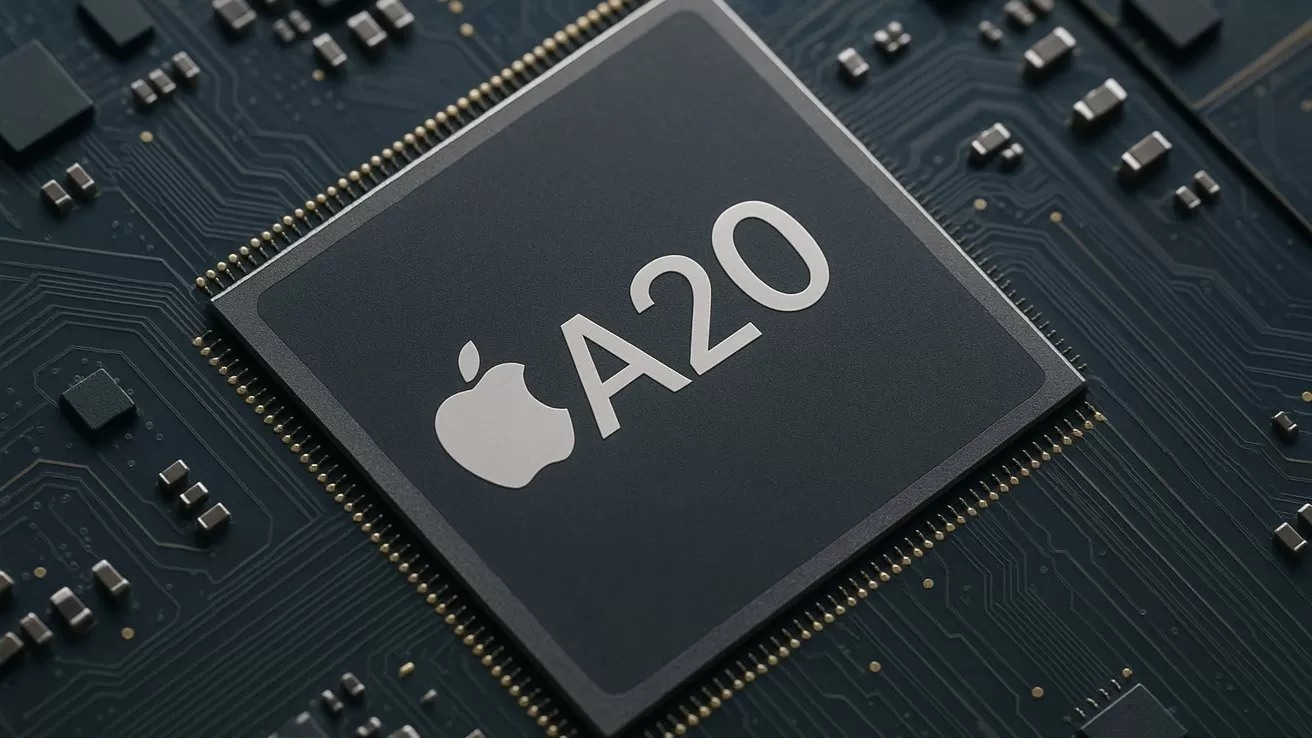
The iPhone 18 is expected to feature Apple's A20 chip, produced by TSMC.
However, Kuo changed his expectations for the iPhone 18 lineup in March 2025, now saying that 2nm chips would be used for the whole range. This aligns with a July 2024 rumor from a different analyst.
One leaker suggested, in April 2025, that these 2nm chips would result in a price increase for the 2026 iPhone range, with Apple passing the costs on to consumers. Then, a November 2025 rumor from a separate Weibo leaker raised similar concerns.
Supply-chain reporting from January 2026 says the A20 chip could cost as much as $280 per unit, roughly 80% higher than the prior generation. In July 2026, it was similarly said that TSMC had increased its base prices by 10%, again pointing to a price increase for iPhone users.
Apple already increased the price across the Mac and iPad lines in June 2026, but the iPhone has been spared, for now. While a price hike is seemingly right around the corner, improved performance will arrive with it, in the form of 2nm chips.
Apple's 2nm A20 system-on-chip might offer a performance boost of between 10% and 15%, relative to the current iPhone 17 range, per an October 2024 report.
The same rumor claimed that, for the A20 Pro, TSMC would use a new packaging method known as WMCM, rather than Apple's current packaging technique — InFo.
Chip packaging is effectively a process that is applied to the die of a chip. This sets it up to communicate and work with other components on a circuit board.
With the A19 and A19 Pro chips, the InFo process helps Apple integrate components within a chip package. In short, elements like memory can be added to the chip package directly, rather than being an externally accessed component.
In doing so, Apple is able to make the overall chip package very small. Even so, it is a technique that's used with a single die. New CPU and GPU combinations require new dies with this method, which could become expensive.
WMCM, which stands for Wafer-level Multi-Chip Module, is a packaging technique that works well with multiple dies. It can fit together separate dies, such as a CPU and GPU, while still keeping the overall package extremely small.
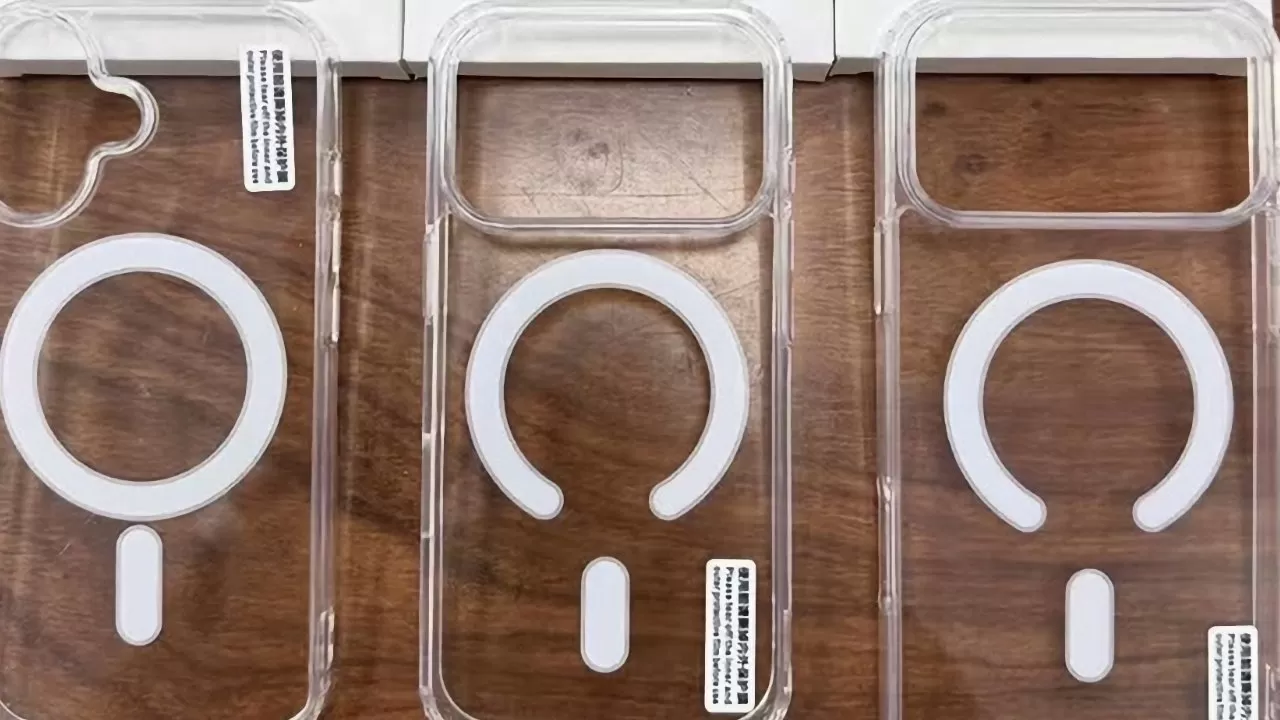
Alleged Apple clear cases for (L-R) iPhone 18, iPhone 18 Pro, iPhone 18 Pro Max. Image credit: MyDrivers
By adopting WMCM, Apple would have more freedom to create multiple packaging designs by incorporating different dies, all without significantly increasing the cost of creating dies themselves.
The WMCM approach wouldn't have a massive impact on performance, but it would reduce the need for chip binning for different product tiers. The use of WMCM has been suggested by multiple sources, and even our own findings indicate Apple's next-generation chips will use this packaging process.
In June 2025, analyst Jeff Pu said he also expects the iPhone 18 lineup to feature a 2nm chip with the WMCM process. According to Pu, the process the A20 will use is referred to as N2, and is a first-generation process.
In theory, the smaller die could make the A20 around 15% faster than the A19 chip. It might also be more efficient, using about 30% less power than its predecessor. The use of the WMCM packaging process was also mentioned in a December 2025 rumor.
Theoretically, a smaller die would make the A20 around 15% faster than the A19 chip. It might also allow for improved efficiency, using about 30% less power than its predecessor.
According to an April 2026 rumor, the iPhone 18 and iPhone 18e will use the same A20 chip, with the same number of CPU and GPU cores. Typically, the standard iPhone offers an extra GPU core relative to the budget-oriented "e" model, but that might soon change.
In terms of RAM, an October 2025 report said the base model iPhone 18 could offer 12GB of LPDDR5X memory, up from 8GB on the standard iPhone 17. The same rumor added that Apple would use Samsung's high-speed LPDDR5X memory, which is only available in 12GB and 16GB variants. Micron and SK Hynix were allegedly in talks with Apple as well.
Additionally, it was suggested in April 2025 that the iPhone 18 range would have 6-channel LPDDR5X memory. This approach would greatly increase memory bandwidth, thereby improving performance.
A December 2024 rumor, meanwhile, alleged that Apple was working with Samsung to change how RAM is packaged, in an attempt to increase bandwidth. With that in mind, the rumors of the A20 chip featuring increased bandwidth make sense.
In April 2026, analyst Dan Nystedt chimed in as well, also saying that the iPhone 18 would offer 12GB of RAM. Another report said the same thing in June 2026.
Not everyone agrees with the rumored 12GB upgrade, however. The same month, Ming-Chi Kuo claimed that Apple would, instead, use 9GB of RAM for its spring 2027 iPhones.
Supposedly, the iPhone 18 Pro will ship with an A20 chip that has 1.5GB x 6 dies. This is up from the 2GB x 4 dies used for the A19 chip. Kuo said that the additional RAM is meant "to keep the system running smoothly under AI workloads."
Apple does not sell devices with 9GB of RAM, so the iPhone 18 might be the first of its kind in that regard. RAM uncertainties aside, we've also seen rumors about the modem in the iPhone 18.
In June 2026, AppleInsider discovered that Apple developed two logic board configurations for the iPhone 18 Pro. One of them boasts a Qualcomm modem and supports mmWave; the other features the Apple C2 modem.
In short, iPhone 18 Pro units sold in the United States will seemingly continue to use Qualcomm modem hardware, while devices sold elsewhere will get the Apple C2. This decision may extend to the standard iPhone 18 as well.
A January 2026 report similarly claims the C2 would see use in the iPhone 18 Pro and iPhone 18 Pro Max. In July 2025, identifiers for the C2 modem surfaced in an early build of iOS 18, while a February 2025 report said the new Apple modem hardware was in development.
It's not much of a surprise that Apple is working on the C2. The company's SVP of hardware technologies, Johny Srouji, referred to the C1 modem as "a platform for generations" in February 2025. We believe Apple will employ a region-based release, with some users getting the C2, and Qualcomm modems being available for U.S. buyers.
While there are still a few unanswered questions about the base model iPhone 18, one thing we won't see is MagSafe replacing USB-C, as TikToks in February 2026 claimed.
Apple had to include a USB-C port due to EU regulations, and iPhones already have a form of MagSafe, making these baseless TikTok rumors easy to dismiss.
What to expect with the iPhone 18
In short, the base model iPhone 18 might offer the following enhancements over the standard iPhone 17:
- 15% faster, 2nm A20 chip with improved memory bandwidth
- 12GB or 9GB of RAM, up from 8GB
- Smaller Dynamic Island
- Samsung-made stacked image sensor
- Simplified Camera Control
Apple's iPhone 18 will most likely debut in early 2027, about five months after the arrival of the iPhone 18 Pro and iPhone Fold.