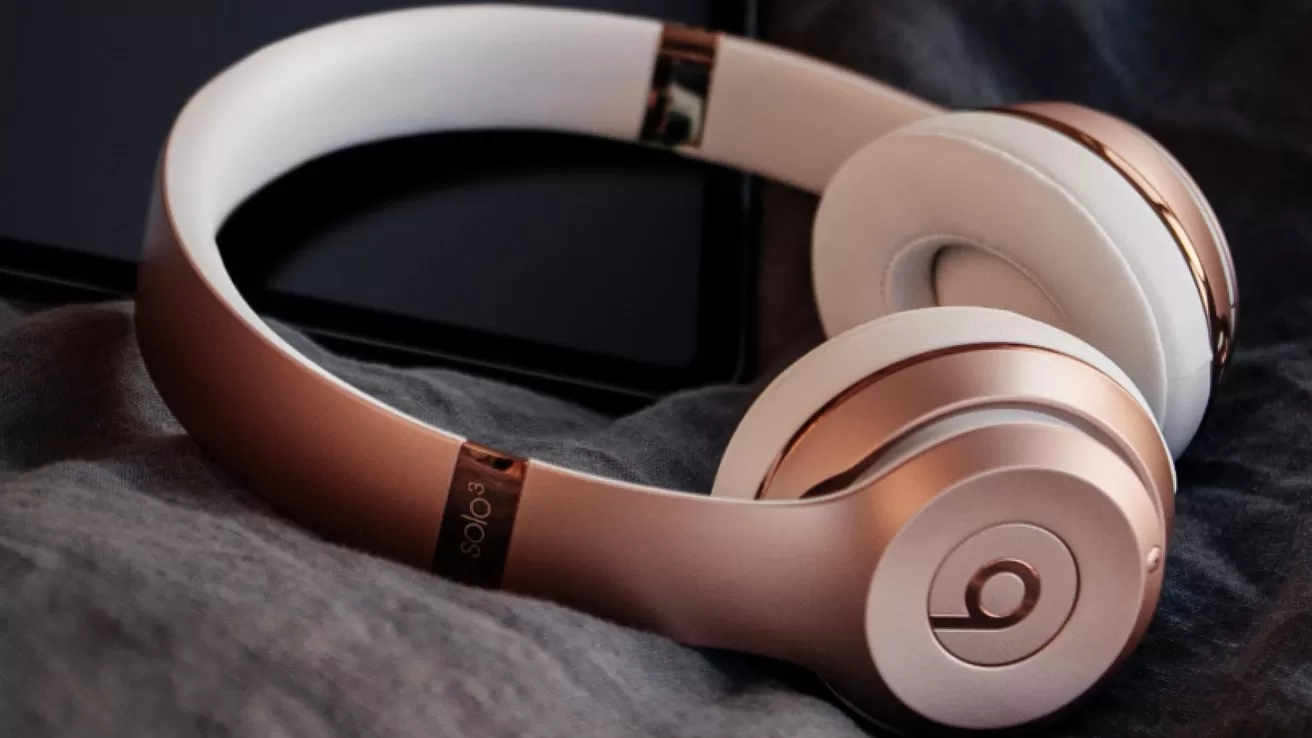
Apple has spent 12 years strengthening Beats without folding it into AirPods, preserving a separate brand that can reach Android users, compete at lower prices, and sell products that wouldn't fit under Apple's own name. Here's what it looks like inside the Beats lab.
The strategy emerged from a rare look inside Beats' Culver City operations. Executives described how the company combines its original design and marketing culture with Apple's engineering resources.
Apple completed its $3 billion acquisition in 2014. Many employees who worked at Beats before the deal remain with the company.
Matthew Costello, Apple's vice president of hardware engineering, told TechRadar that Beats was developed to complement AirPods rather than duplicate them. The company sells colorful headphones, fitness-focused earbuds and lower-cost products with support for both Apple and Google platforms.
"We took this bet that we would be sort of the dual ecosystem play," Costello said. "And we said, Google and Apple together."
The approach expanded Beats' potential customer base and gives Apple access to buyers who might never consider AirPods. Beats Studio Buds and other products support native features on Android, while AirPods remain designed primarily around Apple devices and services.
Beats also operates at prices Apple has largely avoided with its own audio products. Solo Buds cost $79.99 and use a case without a battery, charging electronics or a pairing button, allowing Beats to make the smallest earbud case either company has shipped.
The buds instead provide up to 18 hours of listening from a single charge. A mechanical switch inside the case wakes the earbuds when the lid opens, preserving the familiar pairing experience without adding electronics to the enclosure.
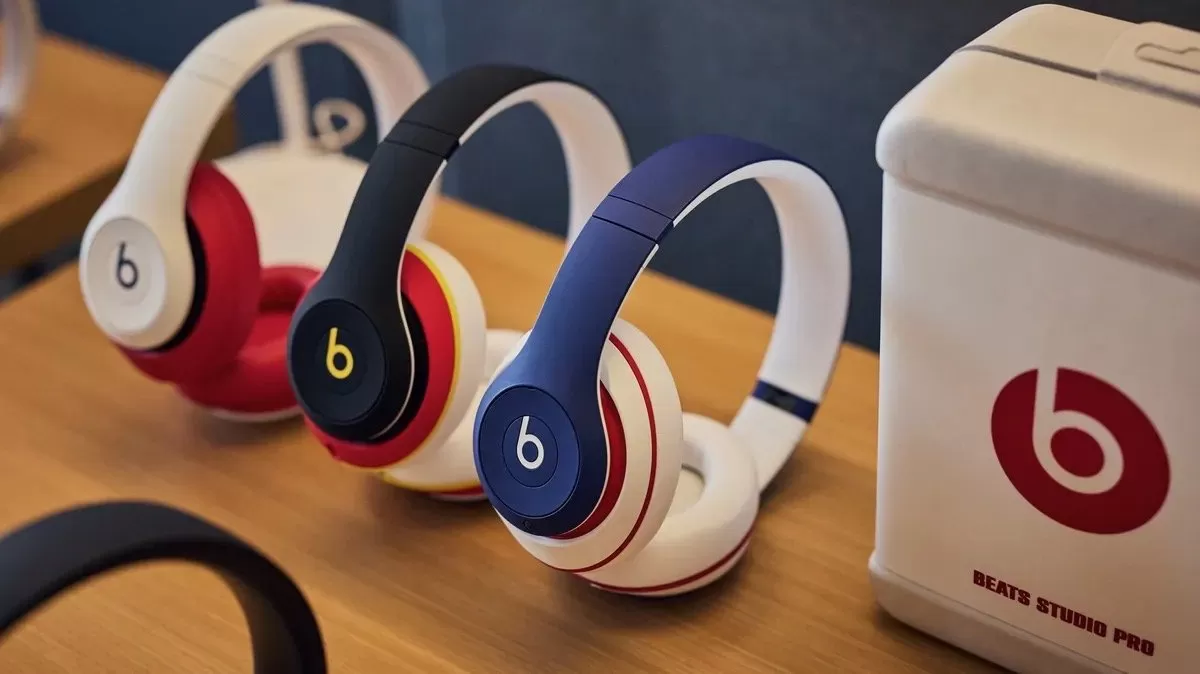 Beats Studio Buds and other products support native features on Android. Image credit: Beats
The design illustrates why maintaining Beats as a separate operation matters. Apple can apply its manufacturing standards and engineering expertise while allowing Beats to make unconventional trade-offs that would be harder to introduce under the AirPods name.
Apple supplies the engineering underneath Beats
Beats products now go through the same reliability, environmental, wireless and quality testing used for Apple hardware. Its engineering facility includes five anechoic chambers, laboratories dedicated to studying human ears, a listening room and equipment used to examine returned products for recurring failures.
"We've learned so much from the teams up in Cupertino, and leveraged the core technologies, the processes, the discipline," Costello said.
Apple's influence has also changed the Beats sound. Costello acknowledged that early products were "super boomy," while newer models have moved toward a more balanced profile shaped by customer feedback and improved testing.
Beats has retained control over its product shapes, colors and cultural partnerships. The company maintains a small customization team that produces one-off headphones for athletes, musicians and celebrities while experimenting with materials and finishes that can later reach retail products.
The transparent Beats Studio Buds Plus followed that path. Engineers originally made a clear prototype to inspect the product's internal construction, but the marketing team pushed to turn the engineering sample into something customers could buy.
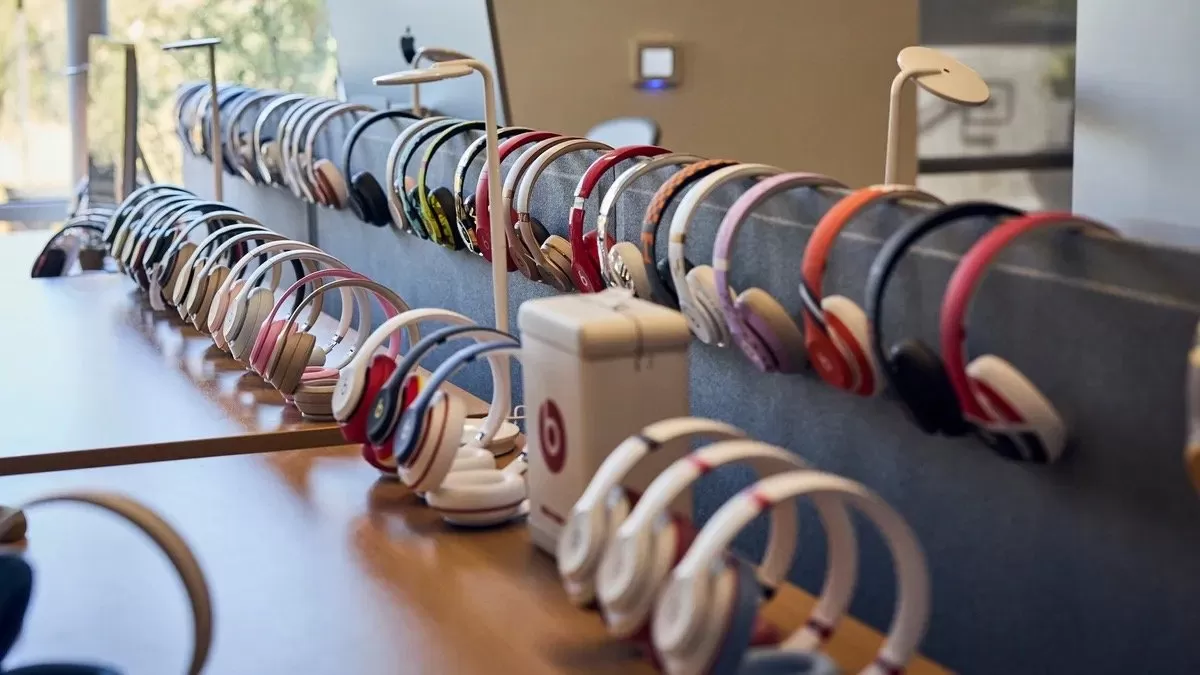 Beats' value to Apple extends beyond headphones. Image credit: Beats
The positive response influenced the later Solo Buds line, which launched with another transparent option. Beats executives described the custom operation as an incubator where concepts developed for individual partners can eventually become commercial products.
Beats can go where the Apple brand cannot
Beats' value to Apple extends beyond headphones. The company has moved into iPhone cases and charging cables, and executives said it could explore additional categories as long as the products reflect Beats' emphasis on design, color and culture.
The difference in style protects Apple from stretching its own brand too far. Beats can support Android, use louder styling, pursue athlete-focused designs and compete at lower prices without changing what customers expect from AirPods.
Apple also benefits from Beats' approach to marketing. The company has repeatedly placed unannounced products with prominent athletes before formally introducing them, including a forthcoming pair of over-ear headphones spotted at sporting events.
Beats hasn't announced the product's name, price or release date. An FCC filing has confirmed that the headphones are real, but predictions about their features or competitive position remain speculative.
Apple's ownership strategy is clear from what Beats has become. The company didn't keep the Beats brand just for its logo or celebrity ties, but turned it into a capable hardware business that reaches customers, price points and platforms beyond AirPods.
Beats still looks and behaves like a separate brand from the outside. Underneath, Apple provides much of the technology and discipline that allow it to remain one.