Apple's newly announced iPhone 18 Pro and iPhone Duo both use a new A20 Pro chip, and it could be the key to Siri AI taking the step from being full of potential to being the game-changer we were promised.
Siri AI has been part of Apple's iOS 27 beta testing process since its June WWDC debut. It's also available in Apple's beta software across its other hardware platforms. It'll be available to the public on all of those platforms before the end of September.
But Siri AI itself will remain a beta feature for the foreseeable future. Apple knows that it has some way to go. Certainly, there's some work to be done before it can meet the lofty expectations Apple left us with following that WWDC unveiling.
While Siri AI will be available on the iPhone 15 Pro and newer, faster iPhones will likely perform better. For the iPhone 18 Pro and iPhone Duo, the A20 Pro will take things to a new level thanks to some key upgrades.
It's those upgrades that could help give Siri AI the shot in the arm it still needs.
A20 Pro's extra firepower
The A20 Pro is the most capable chip ever to be squeezed into an iPhone, and it's more than just a speed bump. The new chip has six CPU cores and seven GPU cores, both of which help make it among the fastest chips on the market.
But that's just the beginning. There are two specific improvements that could make the iPhone Duo's A20 Pro particularly Siri AI-friendly.
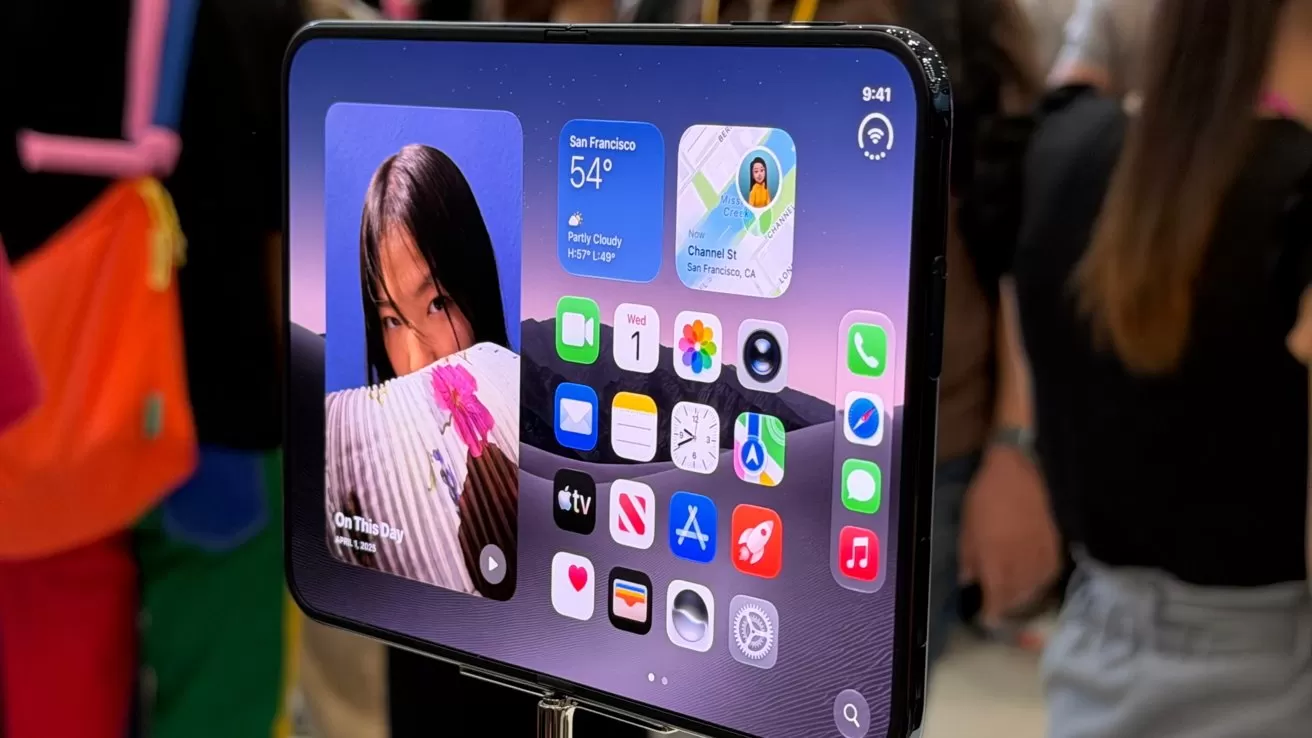
Apple's iPhone Duo has a fast new chip inside
The first is a 50% memory bandwidth boost compared to the iPhone 17 Pro's A19 Pro chip. This helps remove a common bottleneck for on-device language models like those that power Siri AI's most advanced features.
The second is the fact that Apple gave the A20 Pro double the AI processing power of its predecessor. It has two 16-core Neural Engines instead of the single block of cores found in the A19 Pro.
Apple's Neural Engines are key to its devices' AI performance, and the iPhone 18 Pro and iPhone Duo have more than any other iPhone. They can process machine learning tasks, like natural language processing and on-device language models, twice as fast as an iPhone 17 Pro.
Combined, these additions mean devices with the A20 Pro can potentially do more on-device instead of handing tasks off to the cloud. For Siri AI, that means snappier, low-latency responses when users ask it to perform tasks, from systemwide dictation to Siri's expressive voices.
The Siri AI of tomorrow
The reason I say any of this is all of the Siri AI testing I've done in the last few weeks. I've been using the various iOS 27 betas on an iPhone Air, powered by Apple's capable A19 Pro. And it's been an interesting experience.
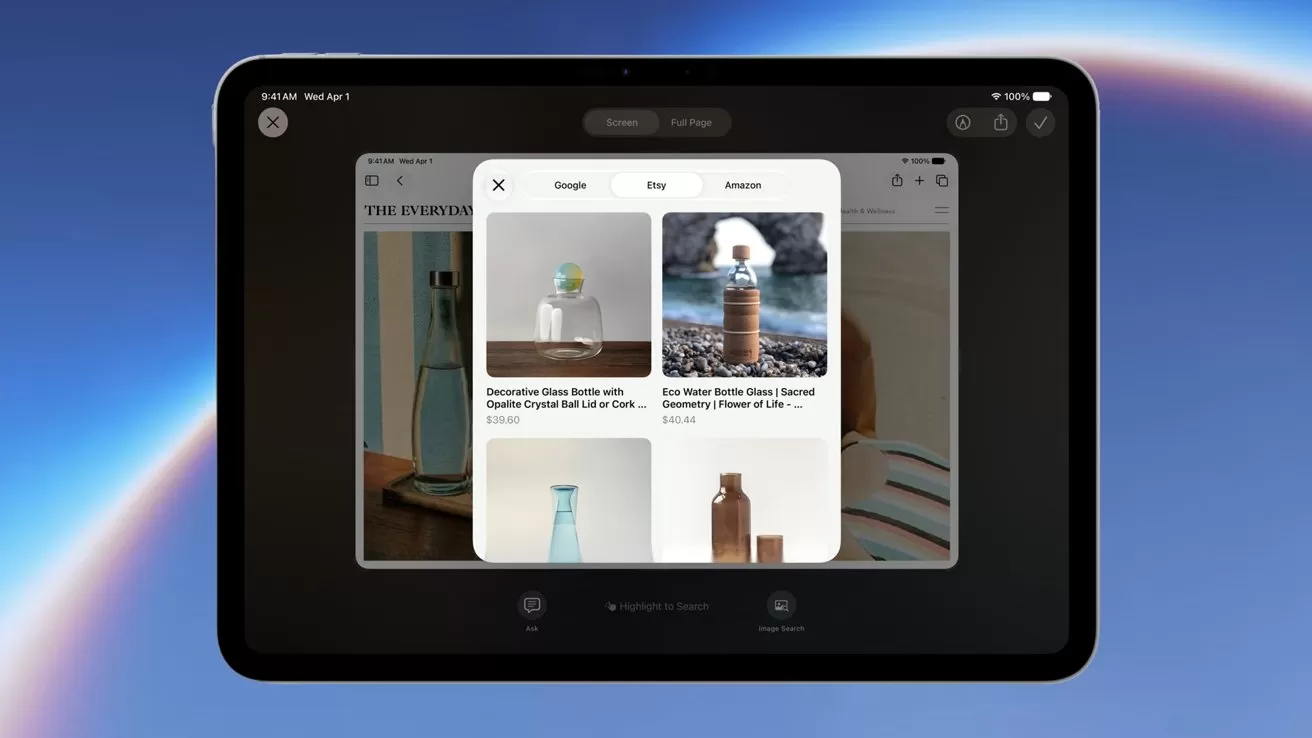
When Apple showed off Siri AI at WWDC, it looked incredible. The way it interacted with apps across the whole of iOS 27, taking context from whatever was on-screen, was hugely impressive.
In reality, Siri AI has proven to be a huge upgrade over the old Siri that it replaces. But it stops just short of being truly useful.
That isn't to say that it can't do some cool things, because it can. There have been times when it's lived up to my expectations just fine.
But there have been just as many instances where Siri AI has failed to do seemingly simple tasks. The kinds of tasks I'd have expected it to do — and sometimes tasks it had successfully done in the past.
At this point, it's important to say again that Siri AI is a beta feature running, for now, on beta software. But it's debatable how much it will improve in the coming weeks.
This is probably why Apple is releasing Siri Ai as a beta product.
That being said, it's my hope that by giving iPhones more on-device AI processing power, Apple can push the envelope. Or, at least, do a better job with the one it already has.
It seems a given that future iPhones will be capable of Siri AI functionality that older models can't match. The on-device model that makes Siri's new, more lifelike voices is a great example of that happening already.
If that means the A20 Pro won't live up to its potential just yet, then so be it. But here's hoping it paves the way for a Siri AI that can truly live up to the hype in the not-so-distant future.