Intel's loss of Apple's chip custom during the Apple Silicon era was due to Apple trusting TSMC more. Years later, it's a lesson that Intel hasn't taken to heart.
Apple's transition from Intel chips to those of its own design in 2020 was a big blow to the U.S. chip maker. It was a move that was not only hugely beneficial to Apple but also to TSMC, which handled the manufacturing of Apple Silicon.
While President Donald Trump announced in June that Apple has agreed to work with Intel to produce some of its chips on U.S. soil, it isn't really a homecoming for Apple.
According to a report by Culpium released on Wednesday, trust was a reason Intel lost Apple's business in the first place. It's something that Intel also struggles with, even after regaining Apple's custom.
By contrast, Apple's trust in TSMC is high and pretty much unshaken.
Background engineering
Intel and Apple have a history of repeated negotiations and a tense relationship. Aside from the later issues with processors for Macs, there was also the attempt by Steve Jobs to convince it to make a mobile processor.
In that instance, Intel declined, allowing Samsung to step in. However, Apple wasn't that trusting of Samsung, because it was both a supplier and a rival in various ways.
After working with Google on Android, Samsung couldn't be trusted by Jobs, which he valued more than chip performance.
At the same time, TSMC was building up its foundry model by working with Nvidia and Qualcomm. It also didn't directly compete with its clients by making and selling its own chips, helping build trust.
This trust was a "very big deal," according to Nvidia founder Jensen Huang.
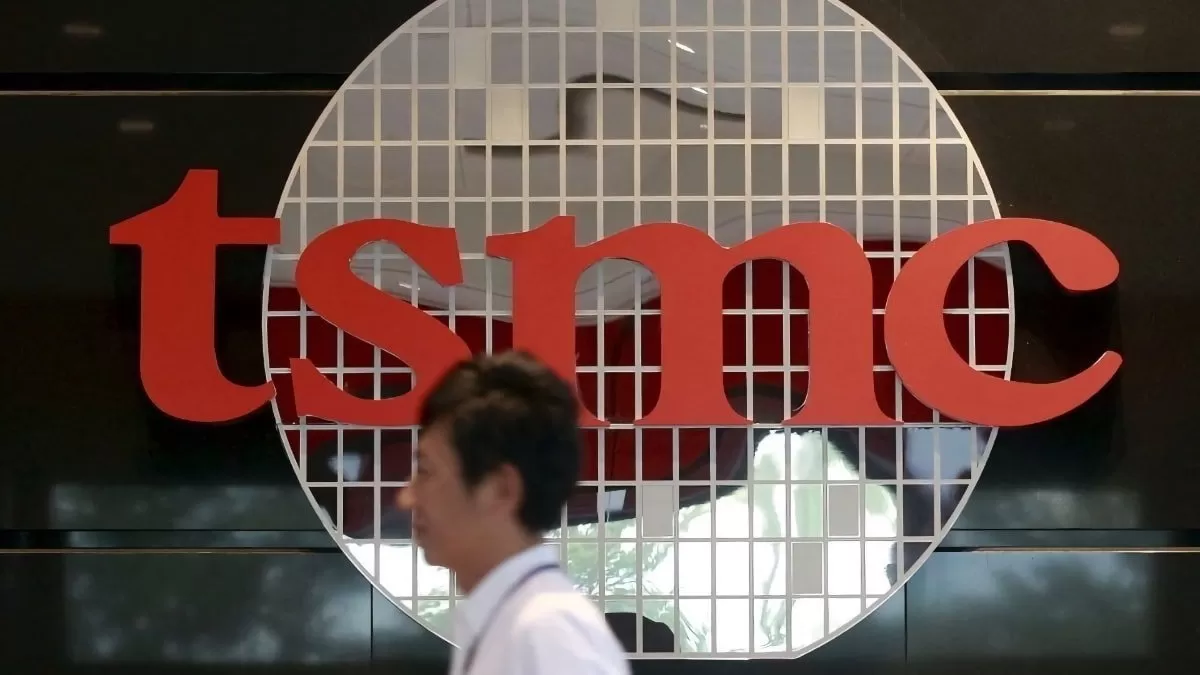
An employee in front of a TSMC office sign - Image credit: TSMC
This was appealing to Apple, and led to a late 2010 meeting between Foxconn chairman Terry Gou, TSMC founder Morris Chang, and Apple VP Jeff Williams.
During a home-cooked Chinese meal, Williams told Chang that he wanted TSMC to be Apple's chip foundry, taking all of its orders. Over the coming months, TSMC negotiated to do half of the orders, with Williams wanting more.
A few more months later, Apple said the deal was paused as it was looking at Intel as a potential chip foundry.
Chang claims he wasn't worried because the technology, manufacturing, and trust Apple looked for in a supplier wasn't better at Intel, in his view. TSMC was ahead on manufacturing and on par with technology at the time.
However, Chang also believed that TSMC's customers trusted the company more than Intel's customers trusted Intel.
By March 2011, Chang was informed by then-interim CEO Tim Cook in Apple's cafeteria that there was nothing to worry about. Intel apparently didn't know "how to be a foundry," leading Chang to believe customer trust was the important factor there.
Trust issues
While TSMC has repeatedly demonstrated it was trustworthy to Apple over the years, Intel has been trying to win back Apple's favor. It's not really been working that well.
The installment of Lip-Bu Tan as Intel CEO in March 2025 meant changes were on the way. A big one was the concept of "no more blank checks," resulting in a slowdown in an Ohio fab project and the cancellation of factories planned for Germany and Poland.
This created another problem for potential clients, such as Apple. Under the new regime of fiscal discipline, Tan wasn't planning to build extra capacity, until clients committed to making orders.
The problem is that this created a catch-22 situation. Major clients, such as Apple, couldn't justify handing over orders to a supplier unless it had proof the supplier could deliver.
Intel's financial priority changes created a Catch-22 situation - Image Credit: Intel
Despite the chicken-and-egg ordering situation, Intel persevered in trying to attract new customers. Add in more pressure from the White House to build in America, and it succeeded with Google, Tesla, and Nvidia.
In one meeting with Apple, Intel tried to secure its business, but it majorly screwed up.
In a bid to confirm it could build up capacity quick enough, Intel told Apple that it had talked to equipment vendors already. In those talks, Intel claimed that Apple was already its client, and that it should get priority for new hardware.
This was a big mistake, since Apple's culture of secrecy requires manufacturers to have discretion. Not only had Intel proven itself untrustworthy by using Apple's name, but it had also shown its hand by boasting about it in Apple's face.
Even so, while trust is low, Apple is still working with Intel because of the current state of the chip industry.
It's not the same over at TSMC, as that company continues to keep quiet about its clients and working in a way that avoids competition.
Chang's successor, CC Wei, continues to take orders from Apple without breaking a sweat. He attributes this to maintaining trust at all costs.
Technology development and manufacturing capacity are all important, Wei explained to investors back in July. But for Trust, "it's not like going and buying milk from 7-Eleven."