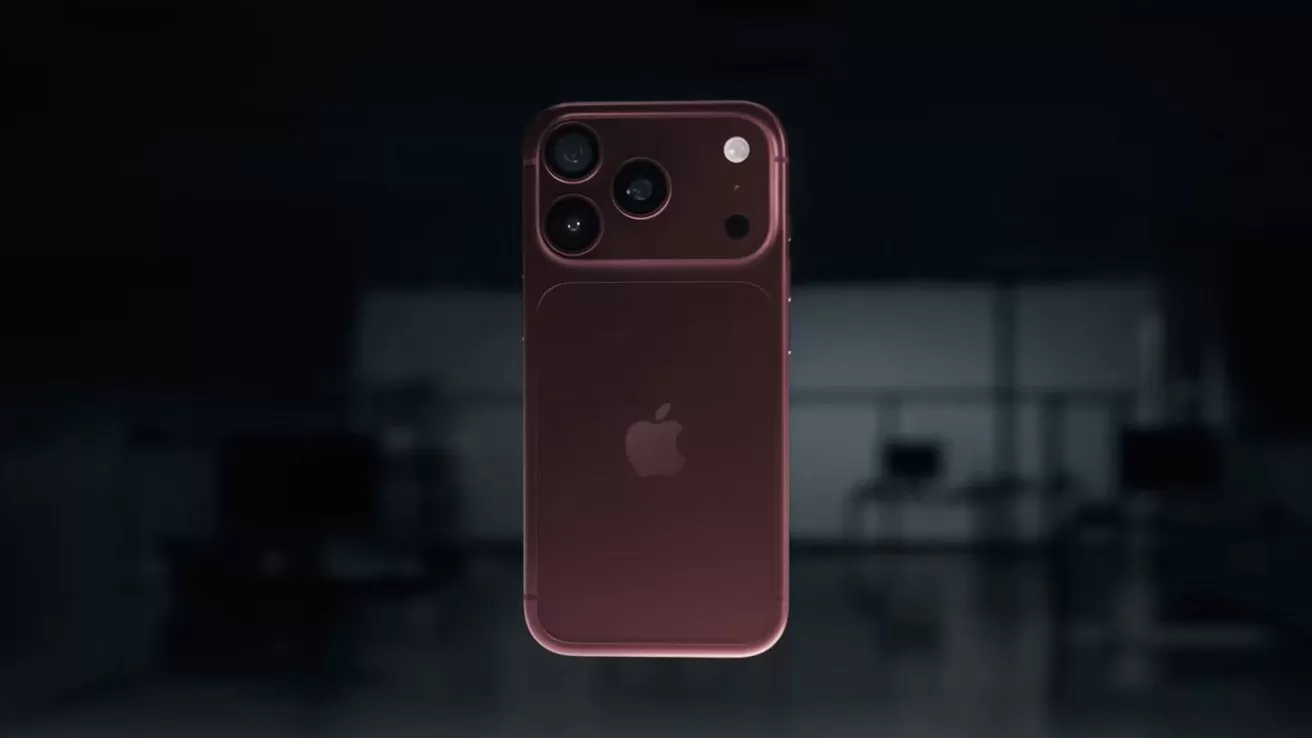
The iPhone 18 Pro and iPhone 18 Pro Max don't look that different from the previous generation, but new colors and a fresh AI push highlight the debut.
Apple's special event for September is underway, and as usual, it has launched new iPhones. Following months of rumors and speculation, the premium models for 2026 are the iPhone 18 Pro and iPhone 18 Pro Max.
True to form for Apple, the new Pro models look a lot like the previous generation at first glance. There are some obvious differences, such as the color range, but they are sticking to the same design for one more year.
Those four colors are Black, Silver, Glacier, and Burgundy.
As usual, the vast bulk of the improvements are internal. More performance, more battery life, and better photography.
An A20 upgrade
The main expected change for this round is the use of the A20 Pro. Using a new 2-nanometer process, the A20 Pro boasts performance improvements, including new chip packaging to improve thermal management with the vapor chamber.
That new vapor chamber design has three times the surface area of the previous model. It even covers memory, too.
The six-core CPU has two Super Cores that are 20% faster, while the four efficiency cores have neural accelerators
The seven-core GPU is one more than the A19 Pro's six-core version, which will help with graphical performance, to the tone of 40%. Each also has a new version of its in-core neural accelerator, which will also assist the Neural Engine for AI processing.
The Neural Engine now has 32 cores, double the number of previous versions.
Overall, there's now a 50% increase in memory bandwidth.
Variable aperture
In 2025, the design changed to include a camera bar on the back, referred to as a plateau. However, while it keeps the same 48MP sensors in each position, Apple's changing how one of them works.
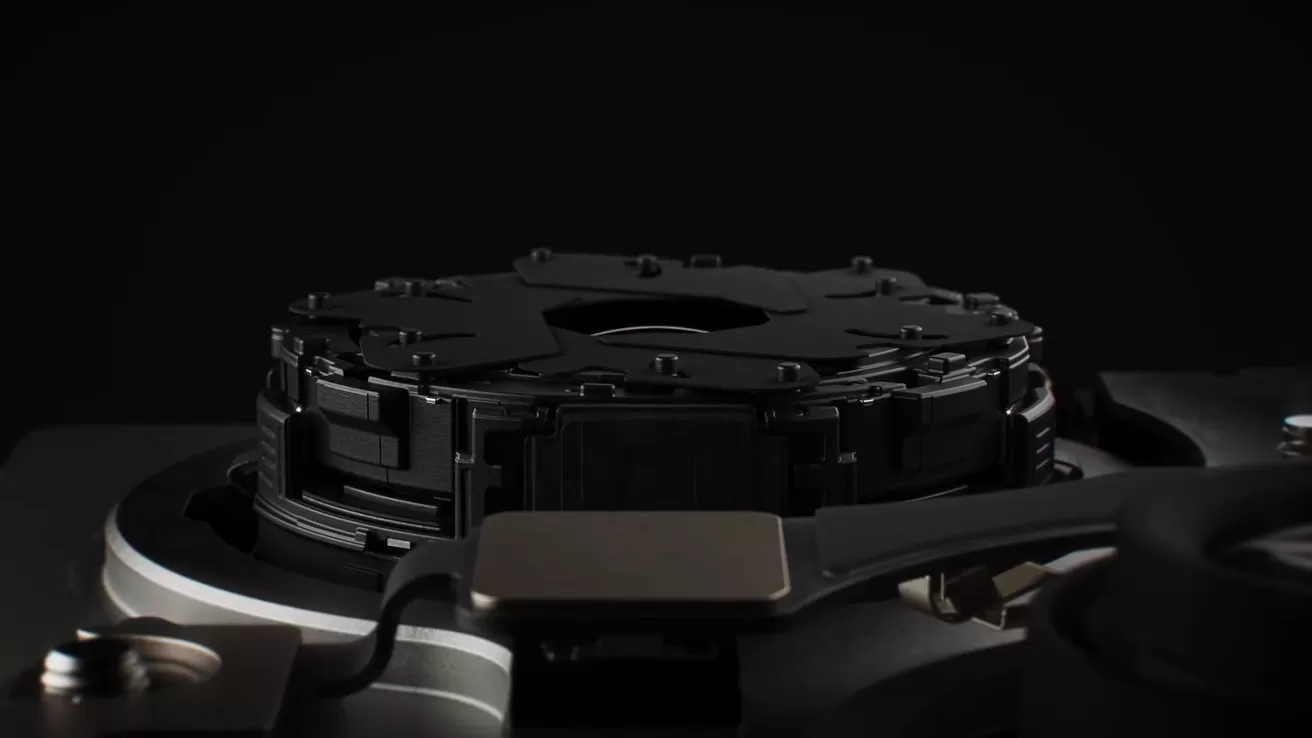
Rather than a fixed aperture, Apple's including a variable aperture system for the main camera. A fixed aperture keeps as much of an image in focus, with any defocusing or blurring introduced computationally.
A variable aperture camera can change the amount of light hitting the sensor, affecting the exposure triangle photographers are familiar with. This affects the depth of field and the amount of bokeh, by making the aperture larger or smaller.
Six blades are used with a new rotor mechanism and a new custom-designed lens. The aperture automatically changes depending on the scene, as a normal standalone camera would.
The key benefit here is for photographers to be more in control over focus and blurring in shots, without resorting to faking it by algorithms.
The new Pro Controls will provide more access to frequently-used settings and features that professional photographers would usually use. This can result in images that wouldn't normally be producible with the camera without them, enabling it to be used for more high-end artsy shots.
This story is breaking. Refresh for the most current information