TikTok boasted about adding measures to protect teenagers from harmful content, but deliberately kept them from 15 million Americans until one killed himself, and then lied about being responsible.
Even before the US questioned the security of Chinese social media platform TikTok, the service's parent company was regularly under fire over child safety fears. All social media platforms were warned about damaging teenage mental health, Facebook ditched its pre-teen Instagram plans, and the Surgeon General told firms to increase safety standards.
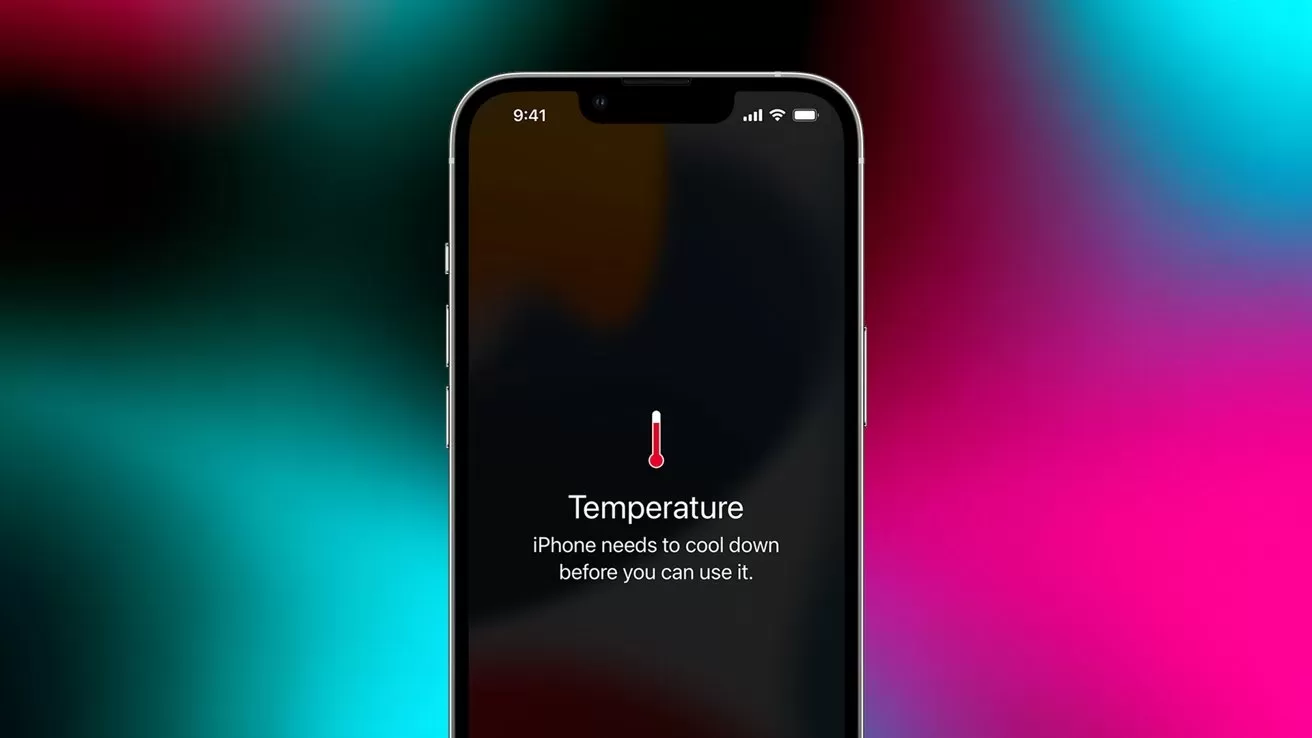
All of which would be why TikTok made a show in 2021 of introducing new safeguards to protect users from harmful content. Yet to find out whether these measures actually worked, TikTok decided it was worth risking 15 million American users.
It was an A/B test, the kind of thing were a website will show different headlines to different users, then see which was more popular. But this wasn't about clickbait, this was about safety.
This wasn't a test of one headline, it was a test of the entire safety system, and it was a test that seemingly ran for up to a year.
Now Bloomberg reports that an internal TikTok report has revealed that these new safety features were intentionally turned off from 10% of users, solely for this test.
Then 15 million Americans who TikTok allowed to be constantly recommended harmful content, included 16-year-old Chase Nasca. After watching some 7,563 TikTok videos over a two-week period, he killed himself in February 2022 by stepping in front of a train in New York.
TikTok itself found that 10% of the videos he was shown by its algorithm promoted or normalized suicide or self-harm, despite that being against TikTok's usage rules.
Then another 73% that did comply with the service's stipulations, nonetheless featured "testimonials of suicide survivors, mental health struggles, suicide awareness and longing to be in a relationship or sadness over a breakup."
It's not clear if TikTok even looked at the results of its 2021 testing, because this internal investigation was not made until Businessweek magazine asked about teen safety in March 2023. Even then, the report was made only for internal use, and is currently sealed by order of the courts.
In a copy seen by Bloomberg, however, the report begins by cautioning that it is "potentially disturbing," and ends by recommending that such A/B testing be revised.
It proposes that instead of 10% of users, only 1% should be excluded from new versions of the platform. Then, too, instead of six months or a year, the test should be for a week.
Even so, the report says this means "at least 1.8 million US users" being excluded from updates such as new safety features. Since the internal report was finished, TikTok says it has refined its testing, although it has not detailed how.)
A TikTok spokesperson has also said that the firm is "deeply committed to the safety and well-being of users."
"Our hearts break for any family that experienced a tragic loss," continued the spokesperson. "To help protect our community, we continue to invest significantly in Trust & Safety, including robust detection systems and dedicated enforcement teams that proactively remove content that violates our Community Guidelines."
TikTok's repeated safety claims
Social media platforms are typically shielded from the actions of their users, such as ones who post dangerous videos, because of Section 230 of the Telecommunications Act of 1996. Even so, they all repeatedly speak about caring and protecting users, especially younger ones.
In the case of TikTok, that included directly telling Congress that "safety and wellness, in particular for teens, is a core priority for TikTok." That was said in testimony by TikTok CEO Shou Chew, and he was subsequently written to by members of Congress about the matter.
They expressly asked about reports of suicide cases, and TikTok expressly denied them. This response was made in a letter dated May 2023, two months after its own investigation showed how TikTok's algorithm served Nasca thousands of suicide videos.
Yet the reply lied, and said that the company did not believe "that use of the platform has caused users to commit suicide."
TikTok already had a 14-page report saying the opposite, and it's claimed that at least 10 different departments were sent the document. So this was not in any way a truthful answer, it was a response designed to be safe if read out later in any subsequent court case.
So TikTok intentionally encouraged its algorithm to serve harmful content to a 15-million-strong test group, then seemingly did not even do anything with the test results until pressed. It then denied its own evidence to members of Congress.
This is not a company that has teenage safety as a "core priority." It's not a company whose actions to protect users, if there even have been any more actions taken, can be believed.
Then presuming the test was ever stopped, the impact of it will not have been. Millions of Americans were shown disturbingly harmful content during their formative teenage years and it is impossible to measure what damage this test will ultimately have caused.
Note that Chew remains CEO of TikTok, but specifically of the original Chinese-based company. Since December 2025, an agreement was made between the platform's owner, ByteDance, and US investors to create an American version of TikTok and its algorithms.